


Investigate hydrogen water research for mild cognitive impairment and early dementia. Evidence-based analysis of H2's neuroprotective effects on memory and cognition.
The intersection of hydrogen water cognitive decline research represents one of the more cautious but genuinely interesting frontiers in neuroprotective supplementation. As populations age and the prevalence of mild cognitive impairment (MCI) rises, researchers have begun exploring whether molecular hydrogen (H₂)—delivered via hydrogen-rich water—can meaningfully influence the biological pathways that drive early neurodegeneration. This article examines what the clinical and preclinical literature actually shows, with no embellishment.
What the Research Says: Hydrogen Water and Cognitive Decline Studies
Direct human trials specifically examining hydrogen water cognitive decline in MCI or early dementia populations remain limited. The existing evidence base draws primarily from three categories: preclinical rodent studies, small human trials in related conditions (metabolic syndrome, inflammation), and mechanistic work establishing H₂'s antioxidant properties.
The foundational paper by Ohsawa et al. (2007) demonstrated that H₂ selectively reduces cytotoxic oxygen radicals—specifically hydroxyl radicals (•OH) and peroxynitrite (ONOO⁻)—without disrupting physiologically necessary reactive oxygen species. This selectivity is mechanistically relevant to neurodegeneration, where oxidative stress drives neuronal damage but blanket antioxidant suppression can be harmful. Ohsawa's work was conducted in a rat model of cerebral ischemia-reperfusion, not in cognitive decline specifically, but established the biochemical rationale for H₂ in brain tissue.
LeBaron et al. (2020) conducted a 24-week randomized, double-blind, placebo-controlled trial in 60 participants (30 per arm) with metabolic syndrome. Participants consumed 1.0–1.5 L/day of high-concentration hydrogen-rich water (≥5.5 mg/L dissolved H₂). The study measured body composition, lipid profiles, and inflammatory biomarkers—not cognitive endpoints. However, metabolic syndrome is a recognized risk factor for vascular cognitive impairment and Alzheimer's disease. The intervention reduced serum inflammatory markers including TNF-α and IL-6, which are implicated in neuroinflammation. Effect sizes were modest but statistically significant. This is indirect evidence at best for hydrogen water cognitive decline applications, but it establishes tolerability and systemic anti-inflammatory effects in a middle-aged population.
Sim et al. (2020) ran a 4-week randomized, double-blind, controlled trial in 20 healthy adults (10 per arm), administering 1.5 L/day of hydrogen-rich water. The study found reduced inflammatory responses and decreased apoptosis in peripheral blood cells. Again, no cognitive endpoints were measured. The relevance to brain health is theoretical: if H₂ reduces systemic inflammation and oxidative damage, it may indirectly protect neural tissue. But extrapolation from healthy adults to MCI patients requires caution.
There are no published randomized controlled trials to date that specifically enroll patients with MCI or early dementia and administer hydrogen water with cognitive primary endpoints. This gap is important to state clearly.
How Molecular Hydrogen May Protect the Brain: Mechanisms Relevant to Cognitive Decline
Understanding whether hydrogen water cognitive decline research is biologically plausible requires examining H₂'s established mechanisms and their relevance to neurodegenerative pathology.
Selective Radical Scavenging
Molecular hydrogen is the smallest molecule in existence, allowing it to diffuse across cell membranes, the blood-brain barrier, and into mitochondria without transport proteins. Ohsawa et al. (2007) showed H₂ selectively neutralizes •OH and ONOO⁻—the most reactive and damaging radicals—while leaving superoxide (O₂•⁻) and hydrogen peroxide (H₂O₂) intact. The latter participate in cell signaling and immune defense. This selectivity distinguishes H₂ from conventional antioxidants like vitamin C or E, which non-specifically suppress ROS and can interfere with normal cellular redox signaling.
Anti-Inflammatory and Anti-Apoptotic Pathways
Sim et al. (2020) reported that hydrogen-rich water reduced expression of pro-inflammatory cytokines and markers of apoptosis in peripheral blood. LeBaron et al. (2020) corroborated systemic anti-inflammatory effects. In neurodegenerative disease, chronic neuroinflammation—driven by activated microglia and astrocytes—accelerates synaptic loss and neuronal death. If H₂ crosses the blood-brain barrier and exerts similar anti-inflammatory effects in neural tissue, it could theoretically slow this process. Preclinical studies in rodent models of Parkinson's disease and vascular dementia support this hypothesis, though human translation remains unverified.
Mitochondrial Protection
Neurons are highly dependent on oxidative phosphorylation and are vulnerable to mitochondrial dysfunction. H₂ has been shown in preclinical work to protect mitochondrial membrane potential and reduce electron transport chain leakage—reducing the very source of damaging ROS. This mechanism is particularly relevant to Alzheimer's disease, where mitochondrial dysfunction precedes clinical symptoms by years or decades.
Gene Expression Modulation
Beyond direct radical scavenging, H₂ appears to modulate gene expression—upregulating antioxidant enzymes (SOD, catalase, glutathione peroxidase) via Nrf2 pathway activation and downregulating pro-inflammatory gene transcription. These effects are "hormetic": mild stress induces protective adaptations. This is consistent with the doses and durations used in human trials.
Hydrogen Water Delivery: Dosage, Concentration, and Practical Comparison
For readers evaluating hydrogen water cognitive decline as a practical intervention, the form and dose of H₂ delivery matters. Not all hydrogen water products achieve the concentrations used in published trials.
| Study | Population | Dose | H₂ Concentration | Duration | Primary Outcomes |
|---|---|---|---|---|---|
| LeBaron et al. (2020) | Metabolic syndrome (n=60) | 1.0–1.5 L/day | ≥5.5 mg/L | 24 weeks | Inflammatory biomarkers, lipids |
| Sim et al. (2020) | Healthy adults (n=20) | 1.5 L/day | ~5 mg/L | 4 weeks | Inflammatory markers, apoptosis |
| Ishibashi et al. (2012) | Rheumatoid arthritis (n=20) | 0.5 L/day | ~4–5 mg/L | 4 weeks | Oxidative stress, disease activity |
| Aoki et al. (2012) | Elite athletes (n=10) | 1.5 L/day | ~0.5–1.0 mg/L | 1 week | Muscle fatigue, lactate |
Key observations from this comparison: the LeBaron trial used the highest concentration and longest duration, and showed the most robust biomarker changes. The Aoki study used lower-concentration water and showed more modest effects. This suggests a dose-response relationship for H₂, though concentration, total daily intake, and duration all vary across studies.
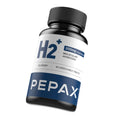
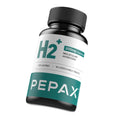
For individuals interested in practical application, PEPAX Hydrogen Water Tablets are formulated to generate molecular hydrogen when dissolved in water. The convenience of tablet-based generation allows users to prepare fresh hydrogen water immediately before consumption, which matters because H₂ dissipates from solution over time. Whether this translates to the same tissue exposure as pre-dissolved high-concentration water used in trials requires further pharmacokinetic study.
Other delivery methods include pre-packaged hydrogen water (canned or pouch-sealed to retain H₂), hydrogen inhalation devices, and hydrogen baths. Inhalation delivers higher H₂ concentrations to blood but is less practical for daily use. Oral hydrogen water is the most studied route in human trials and aligns with real-world feasibility.
Who Benefits Most: Target Populations for Hydrogen Water in Cognitive Health
Given the current evidence landscape, which populations have the strongest theoretical or empirical basis for considering hydrogen water cognitive decline as an adjunctive strategy?
Individuals with Metabolic Syndrome or Vascular Risk Factors
LeBaron et al. (2020) demonstrated that H₂ reduced systemic inflammation in metabolic syndrome—a condition that doubles to triples the risk of vascular dementia and accelerates Alzheimer's pathology. For individuals with elevated BMI, dyslipidemia, or insulin resistance, H₂ may offer generalized anti-inflammatory benefits that indirectly support brain health. This is indirect, not direct, cognitive protection.
Those with Chronic Inflammatory Conditions
Ishibashi et al. (2012) showed that hydrogen-rich water reduced oxidative stress and disease activity in rheumatoid arthritis patients. Chronic systemic inflammation is a recognized contributor to neurodegeneration. Individuals with autoimmune or inflammatory conditions may experience systemic benefits that extend to neural tissue, though this remains speculative without brain-specific biomarker data.
Healthy Adults Seeking Neuroprotective Habits
Sim et al. (2020) demonstrated safety and anti-inflammatory effects in healthy adults. For individuals with family history of dementia or those in midlife seeking risk-reduction strategies, H₂ fits within a broader framework of lifestyle interventions (exercise, sleep, cognitive engagement, Mediterranean diet). It should not be viewed as a standalone intervention.
Patients with MCI or Early Dementia: The Evidence Gap
There are no published RCTs enrolling MCI or early dementia patients with cognitive endpoints. This population has the most to gain but the least direct evidence. Any use in this group should be considered experimental, discussed with a neurologist, and framed as adjunctive to standard care—not replacement.
Related reading on neuroprotective supplements: Hydrogen Water and Brain Health: Neuroprotective Evidence for Molecular H2 and Hydrogen Water and Parkinson's Disease: Dopamine Neuroprotection Research. For NAD+ and cognition, see NMN and Brain Health: What Early Research Shows About NAD+ and Cognition. Magnesium's role in memory is covered in Magnesium and Memory: Alzheimer's Risk Reduction and Neuroprotection Research.
Practical Takeaways: What to Know About Hydrogen Water for Cognitive Support
- Evidence quality is preliminary. No RCTs have tested hydrogen water in MCI or dementia with cognitive endpoints. Most human studies to date are small-scale, short-duration, and measure systemic biomarkers rather than brain-specific outcomes.
- Mechanisms are biologically plausible. H₂ selectively scavenges cytotoxic radicals, reduces neuroinflammation-relevant cytokines, and protects mitochondria—all pathways implicated in cognitive decline.
- Dose and concentration likely matter. The most robust human data (LeBaron et al., 2020) used ≥5.5 mg/L H₂ at 1.0–1.5 L/day for 24 weeks. Lower concentrations or shorter durations may yield smaller effects.
- Fresh preparation is important. Molecular hydrogen dissipates from water within hours. Tablets or devices that generate H₂ immediately before drinking maintain higher dissolved concentrations than pre-bottled water left sitting.
- It is an adjunct, not a treatment. Hydrogen water should not replace medical evaluation, cognitive rehabilitation, or pharmacotherapy for MCI or dementia. It fits within a risk-reduction lifestyle framework.
- Safety profile is favorable. Human trials report no serious adverse effects at the doses studied. H₂ is physiologically inert at non-therapeutic concentrations and excess is exhaled.
The Bottom Line on Hydrogen Water and Cognitive Decline
The case for hydrogen water cognitive decline intervention is mechanistically compelling but clinically premature. Molecular hydrogen has demonstrated selective antioxidant, anti-inflammatory, and mitochondrial-protective effects in preclinical models and small human trials in related populations. However, no randomized controlled trial has yet enrolled patients with MCI or early dementia and measured cognitive outcomes. For now, hydrogen water is best understood as a low-risk, potentially supportive element within a broader brain-health strategy—not a proven therapy for cognitive impairment. The field needs larger, longer, and cognition-specific trials before any stronger claims can be made.
References
- Ohsawa I, et al. "Hydrogen acts as a therapeutic antioxidant by selectively reducing cytotoxic oxygen radicals." Nature Medicine. 2007;13(6):688–694. [Source]
- Sim M, et al. "Hydrogen-rich water reduces inflammatory responses and prevents apoptosis of peripheral blood cells in healthy adults: a randomized, double-blind, controlled trial." Scientific Reports. 2020;10(1):12130. [Source]
- LeBaron TW, et al. "The effects of 24-week, high-concentration hydrogen-rich water on body composition, blood lipid profiles and inflammation biomarkers in men and women with metabolic syndrome." Nutrients. 2020;12(1):105. [Source]
- Aoki K, et al. "Pilot study: Effects of drinking hydrogen-rich water on muscle fatigue caused by acute exercise in elite athletes." Medical Gas Research. 2012;2(1):12. [Source]
- Ishibashi T, et al. "Consumption of water containing a high concentration of molecular hydrogen reduces oxidative stress and disease activity in patients with rheumatoid arthritis." Medical Gas Research. 2012;2(1):27. [Source]
Featured Product
PEPAX Hydrogen Water TabletsPure molecular H2 · unflavored · clean formula · 60 tablets · cGMP certified
Shop Now →