


Hydrogen water and heat exhaustion research examines H2's antioxidant and anti-inflammatory effects on heat stress-induced cellular damage and dehydration recovery.
Hydrogen water and heat exhaustion is a plausible recovery topic, but the clinical evidence does not yet show that molecular hydrogen prevents or treats heat exhaustion itself. Heat illness requires prompt cooling, rest, fluids, electrolytes, and medical evaluation when symptoms are severe; hydrogen-rich water should be viewed only as a possible adjunct to routine hydration, not a substitute for those measures.
Hydrogen Water and Heat Exhaustion: What the Research Actually Covers
The direct answer is that no study in the provided literature tests hydrogen water as a treatment for clinically diagnosed heat exhaustion. The available evidence comes from laboratory work, healthy-adult randomized trials, metabolic-syndrome research, rheumatoid arthritis research, and a small exercise-fatigue pilot study in elite athletes. Those settings can inform hypotheses about oxidative stress, inflammation, and exercise recovery, but they cannot establish heat-exhaustion efficacy.
Heat exhaustion generally develops when heat exposure, sweating, inadequate fluid replacement, and physical exertion outpace the body’s ability to maintain circulation and thermoregulation. Common features include heavy sweating, weakness, headache, nausea, dizziness, thirst, rapid pulse, and reduced exercise capacity. The immediate clinical priorities are to stop activity, move to a cooler environment, cool the body, and replace fluid and sodium as appropriate.
Why consider molecular hydrogen at all? Heat stress and strenuous exercise can increase reactive oxygen species, disrupt cellular redox balance, and contribute to inflammatory signaling. In a foundational preclinical study, Ohsawa et al. (2007) reported that molecular hydrogen selectively reduced highly cytotoxic oxygen radicals in experimental systems. That finding is mechanistically interesting, but it was not a heat-exhaustion trial and should not be read as proof of a clinical recovery effect.
Human evidence is also limited by study size and population. In a randomized, double-blind, controlled trial in healthy adults, Sim et al. (2020) examined hydrogen-rich water and reported changes in inflammatory responses and peripheral-blood-cell apoptosis markers. The trial supports the possibility that repeated hydrogen-water intake can influence biological markers, but biomarker shifts in healthy adults are not the same as improved safety, cooling rate, or symptom resolution during heat illness.
The most exercise-relevant study here is a pilot study of elite athletes. Aoki et al. (2012) evaluated hydrogen-rich water in 10 elite male soccer players during acute exercise and reported lower exercise-induced blood lactate accumulation with a smaller decline in muscle function under the study conditions. That is a useful signal for recovery research, yet it is a very small sample, was not designed around environmental heat, and does not tell us whether hydrogen water changes the risk of collapse, dehydration, or heat stroke.
How Hydrogen Water May Relate to Heat Exhaustion Biology
Hydrogen water is water containing dissolved molecular hydrogen, or H2, a small nonpolar gas that can diffuse rapidly across membranes. The proposed rationale for hydrogen water and heat exhaustion centers on redox signaling, inflammatory regulation, and cellular stress rather than on a direct replacement of water, sodium, or other electrolytes lost through sweat.
During hard exercise in heat, skeletal muscle, vascular tissue, and immune cells may generate more reactive oxygen species. Reactive oxygen species are not uniformly harmful: they participate in normal cell signaling and training adaptation. Problems arise when production exceeds antioxidant and repair capacity, potentially contributing to lipid oxidation, protein modification, mitochondrial stress, and inflammatory signaling.
Ohsawa et al. (2007) proposed that molecular hydrogen may preferentially reduce especially reactive species such as hydroxyl radicals while sparing less reactive signaling molecules. This selectivity remains a mechanistic proposition rather than a clinically validated heat-illness treatment. It also does not mean that drinking hydrogen-rich water can rapidly reverse the hypovolemia, elevated core temperature, or electrolyte disturbance that may occur with heat exhaustion.
Inflammation is another reason researchers study H2. In healthy adults, Sim et al. (2020) measured inflammatory and apoptosis-related responses in peripheral blood cells after hydrogen-rich-water intake. Separately, in men and women with metabolic syndrome, LeBaron et al. (2020) studied 24 weeks of high-concentration hydrogen-rich water and assessed body composition, blood lipids, and inflammation biomarkers. These studies are relevant to chronic systemic biology, but neither establishes an acute protocol for hot-weather exertion.
For readers interested in the broader inflammatory question, our article on hydrogen water and inflammation, including NF-κB and oxidative markers explains why laboratory pathways should be separated from real-world clinical outcomes. NF-κB, for example, is a transcription factor involved in inflammatory signaling, but a plausible effect on NF-κB does not automatically predict fewer heat-exhaustion episodes.
Hydrogen Water and Heat Exhaustion: What It Cannot Replace
Hydrogen-rich water is not an oral rehydration solution and does not inherently provide the sodium needed to replace sweat losses. That distinction matters most when someone has been exercising for prolonged periods, sweating heavily, working outdoors, or experiencing symptoms consistent with heat exhaustion.
Plain water addresses fluid intake, while sports drinks and oral rehydration strategies may provide carbohydrate and electrolytes. Whether one option is appropriate depends on duration of activity, sweat losses, food intake, medical conditions, and symptom severity. Molecular hydrogen changes neither the need for cooling nor the medical urgency of confusion, fainting, inability to drink, persistent vomiting, chest pain, seizure, or suspected heat stroke.
| Recovery component | Primary purpose during heat stress | What current hydrogen-water evidence can support | What it cannot establish |
|---|---|---|---|
| Cooling and rest | Lower thermal strain and stop further heat production | No direct evidence from the listed hydrogen studies | Faster core-temperature reduction or emergency treatment |
| Water intake | Support fluid replacement | Hydrogen water is still water and can contribute to fluid intake | Correction of severe dehydration by itself |
| Sodium and electrolytes | Replace sweat losses when indicated | No electrolyte-replacement benefit specific to H2 | Prevention or treatment of clinically important electrolyte imbalance |
| Molecular hydrogen | Potential modulation of oxidative or inflammatory markers | Small human studies and preclinical mechanisms | Prevention or treatment of heat exhaustion |
Product form also matters. Hydrogen gas is volatile, so concentration can decline after water is prepared or exposed to air. Studies often use defined hydrogen-rich-water protocols and concentrations that are not interchangeable with every consumer product. A tablet format can be practical when traveling or training away from home, but convenience is not evidence of a therapeutic dose.
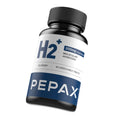
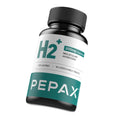
PEPAX Hydrogen Water Tablets can fit a hydration routine when someone wants a portable way to prepare hydrogen-infused water. The responsible approach is to use them alongside adequate fluids, food, electrolytes when appropriate, shade, acclimatization, and sensible training modifications—not as a heat-illness countermeasure. For portability considerations, see our guide to hydrogen water tablets for travel.
Hydrogen Water and Heat Exhaustion: Dosing, Timing, and Evidence Limits
There is no evidence-based hydrogen-water dose or timing protocol specifically for heat exhaustion. The published studies use different populations, exposure periods, concentrations, and endpoints, making it inappropriate to convert their methods into a universal “heat recovery” prescription.
The 10-athlete pilot by Aoki et al. (2012) is the closest match to exercise recovery, but it examined acute exercise fatigue rather than dehydration or heat illness. Its findings on blood lactate and muscle function deserve follow-up in larger, blinded trials that measure environmental conditions, hydration status, sweat rate, core temperature, symptoms, and return-to-performance outcomes.
Sim et al. (2020) provides randomized, double-blind evidence in healthy adults, but its outcomes were inflammatory responses and apoptosis-related peripheral-blood-cell measures rather than exertional heat outcomes. LeBaron et al. (2020) followed adults with metabolic syndrome for 24 weeks, which is valuable for studying repeated intake but is physiologically different from acute heat exposure in a runner, warehouse worker, or field athlete.
The rheumatoid arthritis study by Ishibashi et al. (2012) reported reductions in oxidative stress and disease activity after high-concentration molecular-hydrogen water in patients with rheumatoid arthritis. That clinical population has chronic inflammatory disease, so its results should not be generalized to healthy people recovering from a hot workout. Still, it illustrates why researchers are interested in oxidative biomarkers as a research endpoint.
A practical interpretation is conservative: if you already tolerate hydrogen-rich water and choose to drink it around training, treat it as part of ordinary fluid intake. Do not delay cooling or electrolyte replacement to prepare it. Do not use symptom improvement after a few minutes as proof that heat exhaustion has resolved, because serious heat illness can worsen quickly.
Who May Benefit From Hydrogen Water During Heat-Related Recovery?
The people most plausibly relevant to current research are physically active adults interested in exercise-recovery markers, not people needing treatment for heat illness. Even for that narrower group, the evidence is preliminary and strongest only in the sense that the available exercise study involved athletes—not because a robust body of trials has confirmed performance or recovery benefits.
Trained athletes and recreational exercisers
Athletes training in warm conditions often want strategies that reduce perceived fatigue and preserve next-day performance. The small elite-soccer-player study by Aoki et al. (2012) makes this a reasonable research question, especially for exercise-associated lactate and muscle-fatigue outcomes. It is not enough evidence to claim that hydrogen water prevents heat exhaustion, and it should never displace heat acclimation, pacing, cooling breaks, carbohydrate intake, or individualized hydration plans.
Readers focused on post-exercise muscle soreness should review our evidence summary on hydrogen water for DOMS and athletic recovery. Delayed-onset muscle soreness, muscle fatigue, and heat exhaustion overlap in real life but are distinct problems with different causes and safety considerations.
People with high sweat losses
Outdoor workers, endurance athletes, military personnel, and people exercising in humid climates can lose substantial fluid and sodium. These groups have the most to lose by confusing an antioxidant-oriented supplement concept with a rehydration strategy. If sweat losses are high, adequate fluids and electrolytes remain the actionable priority; hydrogen water has no demonstrated advantage for replacing sodium, potassium, or carbohydrate.
Adults with chronic metabolic or inflammatory conditions
Human studies in metabolic syndrome and rheumatoid arthritis show that researchers have investigated hydrogen-rich water in populations with chronic metabolic or inflammatory burdens. But those data are not a reason for people with cardiovascular disease, kidney disease, diabetes, or blood-pressure concerns to self-manage heat symptoms with a supplement. These conditions can alter fluid and electrolyte needs, so an individualized plan from a clinician is more appropriate.
Hydrogen Water and Heat Exhaustion: Practical Recovery Takeaways
The safest practical conclusion is to prioritize proven heat-recovery actions and keep hydrogen water in its evidence-limited role. The following points reflect what the available studies suggest, as well as what they do not demonstrate.
- Stop exercise immediately if you develop dizziness, nausea, unusual weakness, headache, confusion, or near-fainting in the heat.
- Move to shade or air conditioning, remove excess clothing, and actively cool the body; these actions address thermal strain directly.
- Replace fluids, and consider sodium-containing fluids or food when prolonged sweating or endurance activity makes electrolyte replacement relevant.
- Use hydrogen-rich water, if you choose it, as one source of fluid rather than as a treatment for hydrogen water and heat exhaustion.
- Interpret the athlete data from Aoki et al. (2012) as preliminary: 10 elite male soccer players is too small and specific to guide heat-illness care.
- Seek urgent medical help for confusion, collapse, seizures, altered behavior, very high body temperature, or symptoms that do not improve promptly with cooling and fluids.
Recovery nutrition can also influence readiness for the next session. Magnesium is involved in energy metabolism, neuromuscular function, and fluid balance, although it is not an emergency treatment for heat illness either. Our guide to magnesium and athletes explains why sustained training and sweat losses can make overall dietary adequacy relevant.
Hydrogen Water and Heat Exhaustion: Bottom Line on Recovery Evidence
Hydrogen water and heat exhaustion is an evidence gap, not an established therapeutic use. Preclinical work and small human studies suggest molecular hydrogen may affect oxidative-stress, inflammation, lactate, or fatigue-related markers, but no provided study shows that it prevents or treats heat exhaustion.
PEPAX Hydrogen Water Tablets may be a convenient optional part of normal hydration for adults who already use hydrogen water, but cooling, fluid and electrolyte replacement, acclimatization, and medical assessment of concerning symptoms remain the clinically important measures. Confidence: high that direct heat-exhaustion evidence is currently absent from the provided reference list; low that existing hydrogen-water findings can be translated into a specific heat-recovery protocol.
References
- Ohsawa I, et al. "Hydrogen acts as a therapeutic antioxidant by selectively reducing cytotoxic oxygen radicals." Nature Medicine. 2007;13(6):688–694. [Source]
- Sim M, et al. "Hydrogen-rich water reduces inflammatory responses and prevents apoptosis of peripheral blood cells in healthy adults: a randomized, double-blind, controlled trial." Scientific Reports. 2020;10(1):12130. [Source]
- LeBaron TW, et al. "The effects of 24-week, high-concentration hydrogen-rich water on body composition, blood lipid profiles and inflammation biomarkers in men and women with metabolic syndrome." Nutrients. 2020;12(1):105. [Source]
- Aoki K, et al. "Pilot study: Effects of drinking hydrogen-rich water on muscle fatigue caused by acute exercise in elite athletes." Medical Gas Research. 2012;2(1):12. [Source]
- Ishibashi T, et al. "Consumption of water containing a high concentration of molecular hydrogen reduces oxidative stress and disease activity in patients with rheumatoid arthritis." Medical Gas Research. 2012;2(1):27. [Source]
Featured Product
PEPAX Hydrogen Water TabletsPure molecular H2 · unflavored · clean formula · 60 tablets · cGMP certified
Shop Now →
Further Reading
- Hydrogen Water for DOMS and Athletic Recovery: What Sports Science Studies Show
- Hydrogen Water and Inflammation: H2's Effect on NF-κB and Oxidative Markers
- Hydrogen Water Tablets for Travel: Portable H2 Without Bulky Equipment
- Magnesium and Athletes: How Exercise Depletes It Faster and How to Replenish