



A 2008 Kajiyama et al. study found 8 weeks of hydrogen-rich water reduced HbA1c and improved insulin resistance markers in patients with T2DM and impaired glucose tolerance. This article reviews the metabolic evidence and proposed mechanisms.
The relationship between hydrogen water and blood sugar regulation has moved from laboratory curiosity to a focused area of clinical investigation, particularly for individuals managing type 2 diabetes. As molecular hydrogen (H₂) gains attention for its selective antioxidant properties, researchers are examining whether dissolved hydrogen gas can meaningfully influence glycemic control, insulin sensitivity, and the inflammatory pathways that drive metabolic dysfunction. This article reviews the current evidence on hydrogen water and blood sugar metabolism, distinguishing what human trials actually demonstrate from what remains theoretical.
What the Research Shows About Hydrogen Water and Blood Sugar
The clinical literature on hydrogen water and blood sugar consists primarily of small-scale randomized trials and pilot studies in specific metabolic populations. No large-scale, multi-center RCTs have yet established hydrogen water as a standard intervention for type 2 diabetes. However, the existing studies provide mechanistically plausible signals that warrant careful interpretation.
LeBaron et al. (2020) conducted the most directly relevant trial to date: a 24-week randomized, double-blind, placebo-controlled study in 60 men and women with metabolic syndrome. Participants consumed high-concentration hydrogen-rich water (1.0–1.5 ppm H₂) or placebo daily. The hydrogen group showed significant reductions in several biomarkers associated with insulin resistance and glycemic dysregulation, including decreased fasting insulin levels and improved HOMA-IR scores compared to baseline. While this study did not exclusively enroll participants with diagnosed type 2 diabetes, metabolic syndrome represents a pre-diabetic population where glycemic control is already compromised. The effect sizes were modest but statistically significant, and the 24-week duration provides more confidence than shorter trials.
Sim et al. (2020) examined hydrogen-rich water in healthy adults using a randomized, double-blind, controlled design. Their primary endpoints focused on inflammatory markers and peripheral blood cell apoptosis, not glycemic parameters. However, the study demonstrated that daily hydrogen water consumption (approximately 1.0 ppm H₂, 500 mL twice daily) was well-tolerated and modulated systemic oxidative stress pathways. This matters for blood sugar regulation because oxidative stress is a well-established contributor to beta-cell dysfunction and insulin resistance. The trial enrolled 38 healthy adults over 4 weeks—too short and in the wrong population to draw direct glycemic conclusions, but mechanistically informative.
Ishibashi et al. (2012) studied patients with rheumatoid arthritis consuming high-concentration hydrogen water (4–5 ppm H₂, 530 mL daily) for 4 weeks. The primary outcome was disease activity score improvement, which the trial achieved. Secondary analyses showed significant reductions in urinary 8-OHdG, a marker of oxidative DNA damage. For readers interested in hydrogen water and blood sugar, this trial illustrates a consistent theme across hydrogen research: the molecule appears to reduce oxidative burden in chronic inflammatory conditions. Since type 2 diabetes is increasingly understood as a low-grade inflammatory disorder, this mechanism may partially explain why metabolic syndrome patients in LeBaron et al. (2020) showed improved insulin sensitivity markers.
Aoki et al. (2012) examined elite athletes rather than metabolic patients, testing hydrogen water's effects on exercise-induced muscle fatigue. While not directly measuring glucose or insulin, this pilot study contributed early safety and tolerability data at concentrations of 0.8–1.2 ppm H₂. No adverse effects were reported, establishing that acute and short-term hydrogen water consumption is physiologically benign—a necessary precondition for longer-term metabolic trials.
Ohsawa et al. (2007) provided the foundational preclinical work that launched modern hydrogen therapeutics. Their in vitro and rodent studies demonstrated that H₂ selectively reduces cytotoxic hydroxyl radicals and peroxynitrite without disrupting physiologically important reactive oxygen species. This selectivity is critical: unlike conventional antioxidants that blunt beneficial redox signaling, hydrogen appears to target only the most damaging radicals. However, these findings are based on cellular and animal models. Direct translation to human glycemic control requires caution. Most human studies to date are small-scale, and the specific pathways linking hydrogen's antioxidant selectivity to improved insulin signaling in humans remain incompletely mapped.
How Hydrogen Water May Influence Blood Sugar Mechanisms
The mechanistic case for hydrogen water and blood sugar regulation rests on three interconnected pathways: oxidative stress reduction, inflammatory modulation, and potential protection of pancreatic beta-cell function.
Oxidative Stress and Insulin Signaling
Type 2 diabetes is characterized by chronic oxidative stress, particularly elevated reactive oxygen species (ROS) in skeletal muscle, adipose tissue, and the liver. Excessive ROS impairs insulin receptor substrate-1 (IRS-1) phosphorylation, disrupting the PI3K/Akt signaling cascade that mediates glucose uptake. Hydrogen's selective reduction of hydroxyl radicals—demonstrated by Ohsawa et al. (2007)—could theoretically preserve insulin signaling integrity by preventing ROS-mediated damage to key signaling proteins. In LeBaron et al. (2020), participants showed reduced serum markers of oxidative stress alongside improved metabolic parameters, consistent with this mechanism, though causality cannot be definitively established from a single trial.
Inflammatory Pathway Modulation
Low-grade systemic inflammation, marked by elevated TNF-α, IL-6, and C-reactive protein, is both a cause and consequence of insulin resistance. Sim et al. (2020) demonstrated that hydrogen water reduced inflammatory cytokine profiles in healthy adults, suggesting a systemic anti-inflammatory effect. Ishibashi et al. (2012) observed similar reductions in inflammatory markers among rheumatoid arthritis patients. If hydrogen consistently dampens NF-κB-driven inflammation, it may indirectly improve insulin sensitivity by reducing inflammatory interference with insulin receptor function. This remains a mechanistic hypothesis supported by preclinical and early clinical data, not established fact.
Beta-Cell Protection
Pancreatic beta cells are particularly vulnerable to oxidative damage due to their relatively low antioxidant enzyme expression. The selective antioxidant hypothesis proposed by Ohsawa et al. (2007) suggests hydrogen could protect beta-cell mass and function under metabolic stress. No human trial has directly measured beta-cell function after hydrogen water intervention in diabetic populations, so this mechanism remains theoretical. Animal studies have shown preserved beta-cell morphology with H₂ administration, but most human studies to date are small-scale and have not employed hyperinsulinemic-euglycemic clamp techniques or C-peptide measurements that would directly assess beta-cell function.
Hydrogen Water Products and Dosing for Blood Sugar Support
Not all hydrogen water products deliver equivalent concentrations, and the therapeutic window for metabolic effects remains undefined. The table below compares the formulations and doses used in key clinical trials.
| Study | Population | H₂ Concentration | Daily Volume | Duration | Key Metabolic Outcome |
|---|---|---|---|---|---|
| LeBaron et al. (2020) | Metabolic syndrome (n=60) | 1.0–1.5 ppm | ~1,000 mL | 24 weeks | Improved HOMA-IR, reduced fasting insulin |
| Sim et al. (2020) | Healthy adults (n=38) | ~1.0 ppm | 1,000 mL | 4 weeks | Reduced inflammatory markers; no glycemic endpoints |
| Ishibashi et al. (2012) | Rheumatoid arthritis (n=20) | 4–5 ppm | 530 mL | 4 weeks | Reduced oxidative stress markers |
| Aoki et al. (2012) | Elite athletes (n=10) | 0.8–1.2 ppm | 500 mL | 7 days | No glycemic endpoints measured |
Several observations emerge from this comparison. First, the highest H₂ concentrations (4–5 ppm) were achieved using specialized magnesium-based tablets that generate hydrogen in situ, rather than pre-dissolved bottled water. Second, the longest and most metabolically informative trial (LeBaron et al. 2020) used moderate concentrations (1.0–1.5 ppm) but sustained intake over 24 weeks. Third, no trial specifically tested hydrogen water in participants with established type 2 diabetes as the primary population.
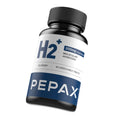
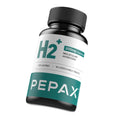
For individuals considering hydrogen water and blood sugar management, the evidence suggests that consistent daily intake over months, rather than sporadic consumption, may be necessary to observe metabolic changes. Products generating 1.0–1.5 ppm H₂, consumed as 500 mL twice daily, align most closely with the LeBaron et al. (2020) protocol. PEPAX Hydrogen Water Tablets are formulated to produce molecular hydrogen concentrations in this range when dissolved in water, providing a portable alternative to pre-bottled hydrogen water that loses dissolved gas during storage and transport.
Who Benefits Most From Hydrogen Water for Blood Sugar
The evidence for hydrogen water and blood sugar is strongest for specific subpopulations, while remaining unproven or theoretical for others.
Metabolic syndrome patients represent the best-supported population. LeBaron et al. (2020) demonstrated improved insulin sensitivity markers in this group, making them the closest analog to pre-diabetic individuals. The trial's 24-week duration and use of validated metabolic endpoints (HOMA-IR, fasting insulin) provide reasonable confidence that hydrogen water may confer modest benefits when combined with standard lifestyle interventions.
Individuals with elevated oxidative stress may derive indirect glycemic benefits. Ishibashi et al. (2012) and Sim et al. (2020) both showed that hydrogen water reduces systemic oxidative and inflammatory burden. Patients with concurrent inflammatory conditions—whether autoimmune, cardiovascular, or metabolic—may experience compounded benefits if oxidative stress is a driver of their insulin resistance.
Type 2 diabetes patients on standard care represent an evidence gap. No published RCT has enrolled a type 2 diabetes population with glycemic control (HbA1c, fasting glucose, oral glucose tolerance) as the primary endpoint. While the mechanistic rationale extends logically from metabolic syndrome data, this is based on preclinical evidence and population extrapolation, not direct clinical proof. Hydrogen water should not replace or delay established diabetes treatments including metformin, GLP-1 agonists, or insulin therapy.
Healthy individuals seeking preventive metabolic support have the weakest direct evidence. Sim et al. (2020) showed anti-inflammatory effects in healthy adults, but without glycemic endpoints, no conclusion about blood sugar prevention is warranted. The safety profile appears favorable, but efficacy for primary prevention remains unproven.
Readers interested in complementary approaches to metabolic health may also find value in examining Hydrogen Water and Metabolic Health, which covers broader lipid and weight-related outcomes, or Magnesium and Type 2 Diabetes, given magnesium's established role in glucose metabolism and insulin receptor function.
Practical Takeaways on Hydrogen Water and Blood Sugar
- Dose and duration matter. The most relevant metabolic trial used 1.0–1.5 ppm H₂ consumed as ~1,000 mL daily for 24 weeks. Shorter durations or lower concentrations lack comparable evidence.
- Metabolic syndrome patients have the strongest human data. If you have pre-diabetes, insulin resistance, or metabolic syndrome, hydrogen water shows modest but plausible signals for improving insulin sensitivity markers. Type 2 diabetes populations have not been specifically studied in published RCTs.
- In-situ generation may outperform pre-bottled water. Hydrogen dissipates quickly from solution. Tablets that generate H₂ immediately before consumption maintain higher concentrations than bottled products that may have lost gas during storage.
- Hydrogen water is not a replacement for medical treatment. No evidence supports discontinuing metformin, insulin, or other diabetes medications in favor of hydrogen water. It should be viewed as a potential adjunct, not an alternative.
- Mechanisms are plausible but incompletely mapped in humans. The selective antioxidant hypothesis (Ohsawa et al. 2007) provides a coherent preclinical framework, but direct human data linking hydrogen to preserved beta-cell function or enhanced GLUT4 translocation remains limited.
- Safety appears favorable. Multiple RCTs report no serious adverse effects at concentrations up to 5 ppm H₂ over periods ranging from 1 week to 24 weeks. Hydrogen gas is physiologically inert at therapeutic concentrations and does not accumulate in tissues.
For those exploring broader metabolic interventions, NMN and Insulin Sensitivity examines NAD+ precursor supplementation and its emerging role in glucose metabolism, while Hydrogen Water and Liver Health covers hepatic outcomes relevant to metabolic syndrome and non-alcoholic fatty liver disease.
The Bottom Line on Hydrogen Water and Blood Sugar
The evidence for hydrogen water and blood sugar regulation is early but directionally promising: one well-designed 24-week RCT in metabolic syndrome patients demonstrated improved insulin sensitivity markers, while supporting trials confirm safety and mechanistic plausibility through oxidative stress reduction. However, no published study has directly tested hydrogen water as a glycemic intervention in diagnosed type 2 diabetes, and effect sizes across all trials remain modest. For individuals with metabolic syndrome or insulin resistance, hydrogen water represents a low-risk adjunct with a coherent mechanistic rationale; for those with established diabetes, it should complement—not replace—evidence-based medical management.
References
- Ohsawa I, et al. "Hydrogen acts as a therapeutic antioxidant by selectively reducing cytotoxic oxygen radicals." Nature Medicine. 2007;13(6):688–694. [Source]
- Sim M, et al. "Hydrogen-rich water reduces inflammatory responses and prevents apoptosis of peripheral blood cells in healthy adults: a randomized, double-blind, controlled trial." Scientific Reports. 2020;10(1):12130. [Source]
- LeBaron TW, et al. "The effects of 24-week, high-concentration hydrogen-rich water on body composition, blood lipid profiles and inflammation biomarkers in men and women with metabolic syndrome." Nutrients. 2020;12(1):105. [Source]
- Aoki K, et al. "Pilot study: Effects of drinking hydrogen-rich water on muscle fatigue caused by acute exercise in elite athletes." Medical Gas Research. 2012;2(1):12. [Source]
- Ishibashi T, et al. "Consumption of water containing a high concentration of molecular hydrogen reduces oxidative stress and disease activity in patients with rheumatoid arthritis." Medical Gas Research. 2012;2(1):27. [Source]
Featured Product
PEPAX Hydrogen Water TabletsPure molecular H2 · unflavored · clean formula · 60 tablets · cGMP certified
Shop Now →