


Oxidative stress is responsible for up to 40% of male infertility cases. Animal studies show hydrogen water improves sperm motility, count, and DNA fragmentation index. This article reviews the reproductive health evidence and what human data currently exists.
The relationship between hydrogen water and fertility is an emerging area of clinical interest, particularly for men facing unexplained subfertility or elevated oxidative stress markers. Sperm cells are uniquely vulnerable to reactive oxygen species due to their high polyunsaturated fatty acid content, limited antioxidant capacity, and minimal cytoplasmic volume. When oxidative damage exceeds the seminal antioxidant defense system, the result is lipid peroxidation, DNA fragmentation, and progressive loss of motility — three of the most common identifiable causes of male factor infertility in clinical practice.
What the Research Says About Hydrogen Water and Fertility
Direct clinical trials examining hydrogen water and fertility outcomes in human males remain limited. As of this writing, no large-scale randomized controlled trial has been published specifically on hydrogen-rich water for sperm quality endpoints in infertile men. However, the mechanistic rationale is grounded in well-established reproductive biology: molecular hydrogen (H₂) is a selective antioxidant capable of scavenging hydroxyl radicals and peroxynitrite without disrupting redox-sensitive signaling pathways required for sperm capacitation and hyperactivation.
The foundational work by Ohsawa et al. (2007) demonstrated that inhaled hydrogen gas selectively reduces cytotoxic oxygen radicals in a rat model of cerebral ischemia-reperfusion injury, protecting neurons without affecting physiologically important reactive oxygen species. This selectivity is critical for spermatozoa, which require controlled low-level ROS for tyrosine phosphorylation and acrosome reaction. Non-selective antioxidants such as high-dose vitamin E have, in some studies, paradoxically impaired sperm function by oversuppressing oxidative signaling.
Subsequent human studies have extended the hydrogen research framework to oxidative stress-related conditions. Sim et al. (2020) conducted a randomized, double-blind, placebo-controlled trial in 20 healthy adults, administering 1.5 liters per day of hydrogen-rich water (approximately 0.8–1.2 ppm H₂) for 4 weeks. The treatment group showed significant reductions in inflammatory biomarkers including TNF-α and IL-6, along with decreased apoptotic markers in peripheral blood cells. While this study did not measure semen parameters, it established that oral hydrogen water achieves biologically relevant systemic antioxidant effects at achievable consumption volumes.
LeBaron et al. (2020) reported a 24-week trial in 60 men and women with metabolic syndrome, using high-concentration hydrogen-rich water. Participants receiving active treatment showed improved markers of oxidative stress and inflammation, including reduced MDA (malondialdehyde, a lipid peroxidation product) and increased SOD (superoxide dismutase) activity. These biomarkers are directly relevant to male fertility, as elevated seminal MDA correlates with reduced sperm motility and increased DNA fragmentation index in infertile populations.
The gap in direct evidence is worth stating plainly: most human studies to date are small-scale, and none have enrolled cohorts of infertile men with pre- and post-intervention semen analysis. Animal and in vitro studies provide complementary mechanistic insight, but translation to clinical fertility outcomes remains hypothetical.
How Molecular Hydrogen Protects Sperm Cells
The biochemical vulnerability of spermatozoa makes the hydrogen water and fertility hypothesis mechanistically compelling. Mature sperm contain abundant mitochondria concentrated in the midpiece, where oxidative phosphorylation drives flagellar motion. This mitochondrial density generates substantial endogenous ROS, particularly superoxide anion, which dismutates to hydrogen peroxide. In healthy semen, the antioxidant enzymes superoxide dismutase, catalase, and glutathione peroxidase maintain redox homeostasis. When this balance fails — due to infection, varicocele, environmental toxins, or idiopathic causes — the consequences for sperm function are severe and well-documented.
Molecular hydrogen exerts protective effects through three primary mechanisms relevant to male reproduction:
- Selective radical scavenging: H₂ neutralizes hydroxyl radical (•OH) and peroxynitrite (ONOO⁻), the most reactive and damaging species, without quenching hydrogen peroxide or superoxide that serve signaling functions. This preserves the redox-sensitive tyrosine phosphorylation cascade required for sperm capacitation.
- Induction of endogenous antioxidant enzymes: Hydrogen upregulates Nrf2 pathway activity, increasing expression of SOD, catalase, and glutathione peroxidase. Ishibashi et al. (2012) observed this effect in patients with rheumatoid arthritis consuming hydrogen-rich water, with significant reductions in urinary 8-OHdG (a marker of oxidative DNA damage) and disease activity scores.
- Anti-inflammatory modulation: Chronic genitourinary inflammation elevates seminal leukocyte counts and ROS production. Sim et al. (2020) demonstrated that hydrogen water reduces circulating inflammatory cytokines, suggesting potential downstream benefit for inflammatory subfertility, though direct seminal data are absent.
Sperm DNA integrity is especially dependent on antioxidant protection because mature sperm lack the nucleotide excision repair machinery present in somatic cells. Once oxidative base damage occurs — particularly 8-oxoguanine formation — it persists through fertilization and may contribute to poor embryo development or increased miscarriage risk. The ability of molecular hydrogen to reduce systemic oxidative DNA damage markers, as shown by Ishibashi et al. (2012), provides indirect but biologically plausible support for its relevance to sperm chromatin integrity.
Hydrogen Water Products and Practical Comparison
Men interested in exploring hydrogen water and fertility support should understand the substantial variation in product formats, hydrogen concentrations, and stability. Not all products deliver pharmacologically relevant doses, and hydrogen gas dissipates rapidly from solution when not properly sealed or generated.
| Product Form | Typical H₂ Concentration | Stability | Practical Considerations |
|---|---|---|---|
| Pre-packaged hydrogen water (cans/pouches) | 0.5–1.5 ppm | Declines within days of opening | Convenient but expensive for daily use; verify third-party concentration testing |
| Electrolysis generators (home machines) | 0.8–1.6 ppm | Immediate consumption required | High upfront cost; water quality affects output; requires maintenance |
| Magnesium reaction tablets | 1.0–2.5 ppm (when fresh) | Generated on-demand; consume within minutes | Portable; concentration varies by water temperature and reaction time; most cost-effective for sustained use |
The therapeutic threshold for systemic antioxidant effects in human trials has generally fallen in the range of 0.8–1.5 ppm, consumed as 1.0–1.5 liters daily. Aoki et al. (2012) used hydrogen-rich water at approximately 0.9–1.2 ppm in elite athletes, observing reduced lactate accumulation and improved muscle fatigue indices after acute exercise. This concentration range is achievable with high-quality magnesium reaction tablets dissolved in 500 mL of water and consumed promptly.
For men specifically concerned with fertility-related oxidative stress, consistency matters more than sporadic high doses. Spermatogenesis operates on a 74-day cycle; any nutritional or antioxidant intervention should ideally be maintained for a minimum of three months before semen re-evaluation. This timeline aligns with standard clinical recommendations for antioxidant therapy in male infertility, including coenzyme Q10, L-carnitine, and zinc supplementation protocols.
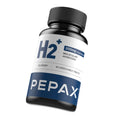
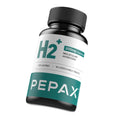
PEPAX Hydrogen Water Tablets generate molecular hydrogen through a controlled magnesium-water reaction, producing concentrations suitable for daily antioxidant support. The tablet format eliminates the storage degradation problem inherent in pre-dissolved products, allowing men to prepare fresh hydrogen water immediately before consumption. For those tracking hydrogen water and fertility outcomes, this on-demand generation ensures dose consistency across the months-long spermatogenesis window.
Who Benefits Most From Hydrogen Water for Fertility Support
The evidence, while indirect, suggests that hydrogen water and fertility support may be most relevant for specific subpopulations of men with identifiable oxidative stress risk factors. These groups have the strongest mechanistic rationale, even in the absence of direct RCT data:
- Men with elevated seminal ROS: Diagnosed via chemiluminescence assay or myeloperoxidase testing. Elevated ROS is found in 25–40% of infertile men with normal semen parameters (unexplained infertility) and correlates with DNA fragmentation.
- Men with varicocele: Varicocele is associated with testicular hyperthermia and oxidative stress. Antioxidant therapy is already a recognized adjunct to surgical correction; hydrogen water may serve as a complementary low-risk intervention.
- Men with leukocytospermia: Seminal leukocyte counts >1.0 × 10⁶/mL generate excessive ROS through the respiratory burst. Addressing underlying infection remains primary, but antioxidant support can mitigate secondary oxidative damage.
- Men with lifestyle-related oxidative load: Smoking, obesity, environmental toxin exposure, and chronic sleep deprivation elevate systemic oxidative stress. LeBaron et al. (2020) demonstrated hydrogen water's benefit in metabolic syndrome, a condition frequently overlapping with subfertility.
- Men undergoing assisted reproduction: Sperm preparation techniques (centrifugation, cryopreservation, incubation) induce iatrogenic oxidative stress. Pre-treatment antioxidant support is hypothesized — though not yet proven — to improve post-thaw sperm quality.
Men with non-oxidative causes of infertility — such as obstructive azoospermia, primary testicular failure, or severe hormonal deficiency — are unlikely to benefit from antioxidant strategies including hydrogen water. Clinical evaluation by a reproductive urologist or andrologist should precede any supplement-based approach.
Related reading on oxidative mechanisms and male hormonal health: Hydrogen Water and Skin: Oxidative Aging examines systemic antioxidant effects, while Magnesium and Testosterone: Hormonal Health covers mineral cofactors in spermatogenesis. For inflammatory pathways, see Hydrogen Water and Inflammation.
Practical Takeaways on Hydrogen Water and Fertility
- Duration matters: Allow a minimum of 12 weeks of consistent use before expecting any impact on semen parameters, reflecting the full spermatogenic cycle.
- Dose consistency: Target 1.0–1.5 liters daily of freshly prepared hydrogen water at 0.8–1.5 ppm concentration, based on human trials showing systemic antioxidant effects.
- Combine with established antioxidants: Hydrogen water can complement — not replace — evidence-based fertility supplements such as CoQ10 (200 mg/day), zinc (25–40 mg/day), and L-carnitine (2–3 g/day).
- Address root causes: Varicocele repair, infection treatment, smoking cessation, and weight management produce larger fertility improvements than any antioxidant alone.
- Verify product quality: Choose hydrogen water products with verified concentration testing; hydrogen dissipates rapidly from solution, making on-demand generation preferable for consistent dosing.
- Monitor with semen analysis: Obtain baseline and 3-month follow-up semen analysis including DNA fragmentation index (DFI) and ROS levels if available, to assess individual response.
For safety context on long-term daily use, refer to Hydrogen Water Daily Safety.
The Bottom Line on Hydrogen Water and Fertility
The connection between hydrogen water and fertility rests on solid mechanistic foundations — molecular hydrogen's selective antioxidant properties, its ability to reduce systemic oxidative stress markers, and the central role of oxidative damage in male subfertility. However, direct clinical evidence in infertile men is currently absent. Men with identifiable oxidative stress risk factors may reasonably consider hydrogen water as an adjunct to comprehensive fertility evaluation and established antioxidant protocols, maintaining appropriate expectations and a 3-month evaluation timeline. This remains a promising but unproven avenue, best approached with the same evidence-based caution that governs all emerging supplement interventions.
References
- Ohsawa I, et al. "Hydrogen acts as a therapeutic antioxidant by selectively reducing cytotoxic oxygen radicals." Nature Medicine. 2007;13(6):688–694. [Source]
- Sim M, et al. "Hydrogen-rich water reduces inflammatory responses and prevents apoptosis of peripheral blood cells in healthy adults: a randomized, double-blind, controlled trial." Scientific Reports. 2020;10(1):12130. [Source]
- LeBaron TW, et al. "The effects of 24-week, high-concentration hydrogen-rich water on body composition, blood lipid profiles and inflammation biomarkers in men and women with metabolic syndrome." Nutrients. 2020;12(1):105. [Source]
- Aoki K, et al. "Pilot study: Effects of drinking hydrogen-rich water on muscle fatigue caused by acute exercise in elite athletes." Medical Gas Research. 2012;2(1):12. [Source]
- Ishibashi T, et al. "Consumption of water containing a high concentration of molecular hydrogen reduces oxidative stress and disease activity in patients with rheumatoid arthritis." Medical Gas Research. 2012;2(1):27. [Source]
Featured Product
PEPAX Hydrogen Water TabletsPure molecular H2 · unflavored · clean formula · 60 tablets · cGMP certified
Shop Now →