



Magnesium and hemorrhoids research connects this mineral's role in vascular tone, bowel regularity, and venous pressure to hemorrhoid prevention and relief.
Magnesium and hemorrhoids are connected mainly through bowel habits, not through evidence that magnesium directly treats hemorrhoidal tissue. Constipation, straining, prolonged toilet sitting, and hard stools can all increase pressure in the anal cushions that become symptomatic hemorrhoids; magnesium may be relevant when it safely improves stool passage or addresses inadequate intake.
Magnesium and Hemorrhoids: What the Research Actually Shows
There are no clinical trials in the provided evidence base showing that magnesium supplements shrink, cure, or prevent hemorrhoids. That distinction matters. The studies cited below examine magnesium status or supplementation for sleep, stress, depression, and broader health—not hemorrhoid outcomes such as bleeding, prolapse, pain, thrombosis, or recurrence after treatment.
The most defensible clinical link between magnesium and hemorrhoids is indirect: constipation and straining are recognized contributors to symptomatic hemorrhoids, and some magnesium salts can draw water into the intestinal lumen. However, the size of that constipation effect depends heavily on the form, dose, baseline diet, fluid intake, medications, and whether a person has an underlying bowel disorder. It should not be assumed that every magnesium supplement has a laxative effect.
Gröber et al. (2015) reviewed magnesium’s physiological roles and therapeutic use, including the fact that oral magnesium preparations differ substantially in absorption and gastrointestinal tolerance. That review is useful context, but it is not evidence for a hemorrhoid-specific benefit. Likewise, DiNicolantonio et al. (2018) focused on subclinical magnesium deficiency and cardiovascular risk rather than anorectal symptoms.
Evidence quality is therefore low for magnesium as a hemorrhoid intervention and more plausible, though still individualized, for magnesium as one component of constipation management. If rectal bleeding is new, heavy, recurrent, or accompanied by weight loss, anemia, fever, severe abdominal pain, or a change in bowel habits, it should not be self-diagnosed as hemorrhoids.
How Magnesium May Affect Hemorrhoids Through Constipation and Straining
Magnesium may influence hemorrhoid symptoms only if it changes the bowel pattern that is increasing local pressure. Hemorrhoids are vascular cushions containing blood vessels, connective tissue, and smooth muscle. They become symptomatic when supporting tissue and venous drainage are affected by repeated pressure, inflammation, pregnancy, aging, or prolonged straining.
In the bowel, poorly absorbed magnesium salts can retain water osmotically in the intestinal lumen. More water in stool can make stool softer and easier to pass, potentially reducing the force needed during defecation. That is why magnesium citrate is commonly discussed in constipation contexts, while more readily tolerated forms such as magnesium glycinate are often chosen for magnesium repletion rather than a predictable laxative response.
The mechanism is not the same as “tightening” or “relaxing” hemorrhoidal veins. Magnesium participates broadly in neuromuscular signaling, vascular smooth-muscle regulation, ATP-dependent reactions, and electrolyte balance. Those functions make it biologically relevant to general physiology, but they do not establish that oral magnesium corrects the structural changes underlying hemorrhoids.
For readers considering magnesium and hemorrhoids because of infrequent stools, the practical target is usually a softer, formed stool that passes without breath-holding or forceful pushing—not diarrhea. Frequent loose stools can also irritate the anal area, worsen urgency, and complicate hygiene. This is one reason dose escalation without a clear goal can backfire.
A broader discussion of mineral intake, digestion, and the microbiome is available in Magnesium and Gut Health: How This Mineral Affects Digestion and the Microbiome. The key clinical point is simpler: bowel regularity is influenced by fiber, fluids, movement, medication effects, pelvic-floor coordination, and medical conditions in addition to magnesium intake.
Magnesium and Hemorrhoids: Vascular Tone Does Not Equal Hemorrhoid Treatment
Magnesium contributes to normal vascular and smooth-muscle function, but that does not make it a proven treatment for hemorrhoidal vascular enlargement. Magnesium acts as a cofactor in hundreds of enzymatic reactions and helps regulate calcium handling in cells. Because calcium signaling contributes to smooth-muscle contraction, magnesium status can matter for vascular physiology in general.
DiNicolantonio et al. (2018) described concerns about inadequate magnesium intake and its potential relationship to cardiovascular health. That paper supports taking magnesium nutrition seriously, especially in people with diets low in legumes, nuts, whole grains, leafy vegetables, and other magnesium-containing foods. It does not show that magnesium supplementation improves anal venous tone, hemorrhoid bleeding, or hemorrhoid-related discomfort.
This distinction is important because “vascular tone” is often used too loosely in supplement marketing. Hemorrhoids are not simply a systemic circulation problem. Local anatomy, stool consistency, time spent straining, pregnancy-related pressure, obesity, aging connective tissue, and bowel habits generally have more direct relevance than a single mineral supplement.
People managing both elevated blood pressure and constipation should also avoid assuming that one magnesium dose is appropriate for both goals. Magnesium may interact with antihypertensive treatment plans, and kidney function changes the safety margin for supplemental magnesium. For cardiovascular context, see Magnesium and Blood Pressure: Cardiovascular Evidence and Optimal Dosage.
In other words, magnesium and hemorrhoids should be approached as a bowel-management question first. If constipation improves, straining may decrease; if symptoms persist despite easier stools, the problem may require a clinician’s assessment rather than more magnesium.
Magnesium for Hemorrhoids and Constipation: Forms, Doses, and Trade-Offs
The magnesium form determines whether a supplement is likely to be used for repletion, gastrointestinal tolerance, or a more noticeable osmotic bowel effect. The table below summarizes practical differences. It is not a dosing prescription, because kidney function, current medications, total dietary intake, pregnancy status, and symptom severity all affect the appropriate choice.
| Magnesium form or approach | Primary practical use | Expected bowel effect | Relevance to hemorrhoid symptoms |
|---|---|---|---|
| Magnesium citrate | Often used when constipation relief is the immediate goal | More likely to soften stool through an osmotic effect; may cause cramping or diarrhea at higher amounts | Potentially helpful only by reducing hard stools and straining |
| Magnesium glycinate | Often selected for magnesium intake with better gastrointestinal tolerance | Usually less predictably laxative than citrate, though individual responses vary | May suit people who need magnesium support but do not want loose stools |
| Food-first magnesium intake | Long-term nutrition pattern | Depends on the overall diet, especially fiber and fluid intake | Supports general bowel habits but is not acute hemorrhoid treatment |
| Fiber, fluid, and toileting changes | First-line bowel-habit foundation | Aims for soft, formed, regular stools | More directly addresses common mechanical triggers than magnesium alone |
For a detailed discussion of citrate’s constipation role, see Magnesium for Constipation: How Magnesium Citrate Works and How to Use It Safely. A person with hemorrhoids should not take a large amount of magnesium simply because the goal is faster bowel movement. Sudden diarrhea can increase wiping, burning, leakage, and irritation around already sensitive tissue.
Magnesium intake is commonly discussed in milligrams of elemental magnesium, not merely the weight of the full compound. Product labels vary, so comparing “500 mg magnesium glycinate” with “500 mg magnesium” can be misleading. Check whether the label identifies elemental magnesium and account for magnesium from multivitamins, antacids, laxatives, and fortified products.
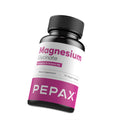
PEPAX Magnesium Glycinate with Vitamin C & D3 is a glycinate-based option that may fit someone prioritizing general magnesium support and tolerability, rather than a strong laxative effect. It should not be presented as a hemorrhoid treatment. If constipation is the immediate issue, discussing the most appropriate bowel regimen with a pharmacist or clinician is more useful than assuming a glycinate formula will reproduce citrate’s effect.
Who May Benefit When Considering Magnesium and Hemorrhoids?
People most likely to benefit are those whose hemorrhoid symptoms clearly worsen during episodes of hard, infrequent stool and straining. Even in this group, the likely benefit is from improved stool consistency rather than a direct effect on hemorrhoidal veins. A bowel diary can help identify whether symptoms track with stool frequency, Bristol stool form, time on the toilet, or forceful pushing.
Adults with low magnesium intake and constipation-prone diets
People eating few magnesium-rich foods may have reason to improve dietary intake, especially if their diet is also low in fiber. Gröber et al. (2015) reviewed the broad clinical importance of magnesium, but individual deficiency should not be inferred from hemorrhoid symptoms alone. Serum magnesium can be useful in some settings, although it does not always reflect total body magnesium stores perfectly.
People using medications that worsen constipation
Opioids, some anticholinergic medicines, iron supplements, calcium supplements, and certain antidepressants can contribute to constipation. In these cases, magnesium may be one option, but the underlying medication plan should be reviewed rather than masked indefinitely with escalating supplements. A clinician can also identify whether a stool softener, osmotic laxative, fiber strategy, or medication adjustment is more appropriate.
Older adults and people with reduced mobility
Constipation becomes more common with reduced mobility, low fluid intake, dietary restriction, and multiple medications. Abbasi et al. (2012) studied 46 elderly participants with primary insomnia, finding benefits of magnesium supplementation on several sleep measures; it did not evaluate constipation or hemorrhoids. The study illustrates why population-specific findings should not be transferred automatically from one symptom to another.
People under sustained stress
Stress can alter eating patterns, hydration, sleep, physical activity, and bowel routines, which may indirectly affect constipation. Boyle et al. (2017) concluded that evidence for magnesium and subjective anxiety or stress was suggestive but heterogeneous, with limitations in study quality. It is reasonable to address stress as part of a bowel-health plan, but not to claim magnesium resolves stress-related hemorrhoids.
Magnesium and Hemorrhoids: Safety Checks Before You Try It
Magnesium supplements are not appropriate for every person with constipation or hemorrhoid symptoms. The principal safety concern is impaired kidney function, because the kidneys normally excrete excess magnesium. People with chronic kidney disease, significant renal impairment, or unexplained weakness, confusion, slow heartbeat, or low blood pressure should seek medical guidance before using supplemental magnesium.
High supplemental doses can cause nausea, abdominal cramping, and diarrhea. More severe excess magnesium is uncommon in people with normal renal function using typical oral amounts, but risk rises with renal impairment or concurrent use of magnesium-containing laxatives and antacids. Do not combine multiple products casually just because each appears to contain a modest amount.
Medication timing also matters. Magnesium can reduce absorption of some oral medicines, including certain antibiotics and thyroid hormone replacement, when taken too close together. A pharmacist can advise on spacing; do not alter prescribed medication schedules without checking first.
Rectal bleeding deserves special caution. Bright-red blood may occur with hemorrhoids, but it can also arise from fissures, polyps, inflammatory bowel disease, diverticular bleeding, or colorectal cancer. Seek prompt medical assessment for bleeding that is heavy, persistent, associated with black stools, dizziness, fatigue, unexplained weight loss, anemia, severe pain, or a meaningful new change in bowel function.
For people with recurrent abdominal pain, bloating, and constipation, Magnesium for IBS and Constipation: Digestive Relief Evidence offers related context. IBS-like symptoms should not be assumed to explain rectal bleeding, and a new symptom pattern warrants evaluation.
Magnesium and Hemorrhoids: Practical Takeaways for Softer Stools
The most practical goal is regular, soft, formed stool passed without prolonged straining. Magnesium can be considered within that goal, but it works best as one part of a broader plan rather than as a stand-alone hemorrhoid remedy.
- Use magnesium and hemorrhoids as a reminder to address constipation triggers, not as evidence that magnesium treats hemorrhoidal tissue directly.
- Prioritize fiber-containing foods, adequate fluid intake, regular movement, and responding to the urge to have a bowel movement.
- Avoid prolonged toilet sitting and forceful pushing; a footstool may help some people achieve a more comfortable position.
- If using magnesium for bowel regularity, begin conservatively and assess stool consistency rather than chasing a daily bowel movement at any cost.
- Choose the form according to the goal: citrate is generally more relevant to an osmotic bowel effect, while glycinate is often chosen for tolerability and general supplementation.
- Stop self-management and seek evaluation for persistent bleeding, severe pain, a painful lump, fever, dizziness, black stool, or symptoms that do not improve.
Magnesium and Hemorrhoids: The Bottom Line
Magnesium and hemorrhoids have an indirect, not proven therapeutic, relationship. Magnesium may be useful when constipation and straining are clear contributors to symptoms, but the provided clinical literature does not demonstrate that magnesium improves hemorrhoid size, bleeding, pain, or recurrence. Focus on stool quality, safety, and medical evaluation of bleeding; most human evidence relevant to magnesium is indirect and does not replace hemorrhoid-specific care.
References
- Abbasi B, et al. "The effect of magnesium supplementation on primary insomnia in elderly: A double-blind placebo-controlled clinical trial." Journal of Research in Medical Sciences. 2012;17(12):1161–1169. [Source]
- Boyle NB, et al. "The Effects of Magnesium Supplementation on Subjective Anxiety and Stress — A Systematic Review." Nutrients. 2017;9(5):429. [Source]
- Gröber U, et al. "Magnesium in Prevention and Therapy." Nutrients. 2015;7(9):8199–8226. [Source]
- DiNicolantonio JJ, et al. "Subclinical magnesium deficiency: a principal driver of cardiovascular disease and a public health crisis." Open Heart. 2018;5(1):e000668. [Source]
- Tarleton EK, et al. "Role of magnesium supplementation in the treatment of depression: A randomized clinical trial." PLOS ONE. 2017;12(6):e0180067. [Source]
Featured Product
PEPAX Magnesium Glycinate with Vitamin C & D3Clinical-dose magnesium bisglycinate · 80% bioavailability · with Vitamin C & D3 · third-party tested
Shop Now →