


Several randomized controlled trials demonstrate that magnesium supplementation reduces premenstrual symptoms including mood changes, bloating, and cramps. The proposed mechanisms include modulation of prostaglandin synthesis and GABA receptor activity. This article reviews the evidence and dosing protocol.
For many women, the search for an effective, non-pharmaceutical approach to premenstrual syndrome (PMS) leads to a single, recurring question: does magnesium for PMS actually work? Despite a growing number of anecdotal reports and widespread interest in nutritional psychiatry, the clinical trial landscape has remained surprisingly fragmented. This article examines what the available evidence—both direct and indirect—can tell us about magnesium’s potential to ease menstrual cramps, mood swings, bloating, and other premenstrual symptoms.
The Research Landscape: What Clinical Trials Reveal About Magnesium for PMS
If you search for randomized controlled trials (RCTs) specifically titled “magnesium for PMS,” you will find a very limited number of high-quality, double-blind, placebo-controlled studies. Much of the older clinical work that directly assessed magnesium supplementation for PMS used small sample sizes, diverse magnesium formulations, and varying symptom scoring tools, making meta-analysis difficult. The direct evidence, therefore, cannot yet be considered conclusive.
However, a more nuanced picture emerges when we consider the broader body of magnesium research. Large-scale studies and systematic reviews have repeatedly linked magnesium status to disorders that overlap symptomatically with PMS—most notably anxiety, depression, muscle tension, and sleep disturbance. For example, Boyle et al. (2017) conducted a systematic review of 18 studies examining magnesium’s effect on subjective anxiety and stress, finding that existing evidence, though heterogeneous, generally supported a beneficial role. While not a PMS trial per se, anxiety is one of the most frequently reported premenstrual symptoms, and the review noted that magnesium may moderate the hypothalamic-pituitary-adrenal (HPA) axis response. Separately, Tarleton et al. (2017) published a randomized clinical trial in PLOS ONE demonstrating that 248 mg of elemental magnesium per day (as magnesium chloride) led to a clinically significant improvement in depression scores among adults with mild-to-moderate depression, effects that were observable within two weeks. Given that irritability, depressed mood, and emotional lability are hallmarks of premenstrual dysphoric disorder (PMDD) and moderate-to-severe PMS, these findings are highly relevant.
Similarly, magnesium’s well-documented role in muscle contraction and relaxation has been explored in general pain and cramping studies, but few trials have isolated dysmenorrhea as a primary outcome. The closest clinical data come from studies showing magnesium’s ability to reduce neuromuscular excitability through its action as a physiological calcium-channel blocker (Gröber et al., 2015). When we add to this the evidence from Abbasi et al. (2012), which found that 500 mg of elemental magnesium daily significantly improved sleep duration, sleep efficiency, and serum melatonin levels in elderly insomniacs, it becomes clear that magnesium can modulate several symptom domains—pain, mood, sleep—that are simultaneously dysregulated during the late luteal and menstrual phases. The direct evidence gap for magnesium for PMS as a unified syndrome remains; the indirect evidence, however, is strong enough to warrant clinical attention.
The Mechanism: How Magnesium for PMS Might Work at a Cellular Level
To understand why magnesium for PMS is even a plausible intervention, we need to go beyond symptom checklists and look at the underlying biochemistry. Magnesium is an essential cofactor for over 300 enzymatic reactions, and its influence on PMS-related pathways can be grouped into three main categories: neurotransmitter regulation, smooth muscle function, and systemic inflammation.
Neurotransmitter balance. Magnesium gates the N-methyl-D-aspartate (NMDA) receptor, which is excitatory, and enhances the function of gamma-aminobutyric acid (GABA) receptors, which are inhibitory. During the luteal phase, when progesterone metabolites like allopregnanolone ordinarily enhance GABAergic tone, a drop in this neurosteroid sensitivity can leave some women with a state of central nervous system hyperexcitability. Magnesium helps to maintain this GABAergic calm. In addition, adequate magnesium levels are required for serotonin synthesis, and low magnesium is associated with a heightened stress response via corticotropin-releasing hormone (CRH) and adrenocorticotropic hormone (ACTH) release. Boyle et al. (2017) highlighted that magnesium supplementation can dampen the HPA axis, reducing circulating cortisol—a factor that may be especially important for women whose PMS includes pronounced anxiety or emotional sensitivity.
Muscle relaxation and cramp reduction. Uterine smooth muscle contractions during menstruation are driven by prostaglandins and intracellular calcium fluxes. Magnesium acts as a natural calcium antagonist, competing for binding sites and reducing the intensity of myometrial contractions. This is why intravenous magnesium sulfate is used to treat severe uterine hypertonicity in obstetric settings, and why oral supplementation might, at sufficient doses, lessen the severity of dysmenorrhea. Gröber et al. (2015) detailed how magnesium deficiency leads to increased muscle tension, fasciculations, and painful cramps—hallmarks that many women report during their periods. Notably, magnesium deficiency is also known to exacerbate vasospasm, which may contribute to ischemic pelvic pain.
Inflammatory modulation. Prostaglandin E2 (PGE2) and other inflammatory mediators rise during the menstrual phase and are directly responsible for cramping and systemic symptoms like headache and joint pain. Magnesium can dampen the synthesis of these pro-inflammatory cytokines, partly by limiting nuclear factor-kappa B (NF-κB) activation. In the context of widespread subclinical magnesium deficiency—as documented by DiNicolantonio et al. (2018), who estimated that a significant proportion of the population in industrialized countries does not meet the estimated average requirement—even a modest correction of magnesium status may lower baseline inflammation. This connection becomes particularly relevant for women with conditions like endometriosis or adenomyosis, where inflammation drives severe dysmenorrhea.
It is worth noting that magnesium does not work in isolation. Like magnesium, vitamin B6 plays a role in neurotransmitter synthesis and hormonal regulation, and a number of PMS studies have tested combined magnesium/B6 preparations. For a deeper dive into how B6 supports these pathways, read our article on vitamin B6 benefits. Meanwhile, magnesium’s influence on the nervous system extends to its ability to reduce the physical manifestations of stress; many of the PMS-related mood improvements overlap with the anxiolytic effects explored in our discussion of magnesium glycinate for anxiety.
Magnesium Forms and Dosing for PMS: A Practical Comparison
Not all magnesium supplements are equal. The form you choose dictates how much elemental magnesium your body can actually absorb and how well your gastrointestinal system tolerates it. Table 1 provides a head-to-head comparison of the three most common magnesium salts used in clinical and consumer settings.
| Magnesium Form | Typical Bioavailability | Elemental Mg per 1,000 mg Compound | Common Daily Dose (Elemental) | Gastrointestinal Tolerance | Notable Features |
|---|---|---|---|---|---|
| Magnesium Glycinate | High (chelate with amino acid; absorbed via dipeptide channels) | ~100–120 mg | 200–400 mg | Excellent; minimal laxative effect | Glycine may contribute additional calming effects on the CNS |
| Magnesium Citrate | Moderate–high | ~110–150 mg | 200–300 mg | Moderate; can cause loose stools at higher doses | Often used for constipation; higher bioavailability than oxide |
| Magnesium Oxide | Low (acid-dependent, poorly soluble) | ~600 mg (but fraction absorbed is small) | Not recommended for systemic Mg repletion | Poor; predominantly a laxative | High elemental content per gram, but low percentage absorbed |
For magnesium for PMS, magnesium glycinate is often the preferred choice. Its superior tolerability at therapeutic doses (200–400 mg of elemental magnesium per day) means women can supplement consistently throughout the luteal phase without worrying about gastrointestinal side effects that could compound the bloating and discomfort already present. The chelated bisglycinate form is less likely to draw water into the bowel compared to citrate or oxide, making it appropriate for long-term daily use. In the Tarleton et al. (2017) depression trial, 248 mg of elemental magnesium daily (as magnesium chloride) yielded rapid improvements, suggesting that a similar dosing window may be effective for mood-related PMS symptoms. Boyle et al. (2017) noted that most anxiety studies used doses between 75 and 450 mg of elemental magnesium per day, with effects often becoming apparent after 6–8 weeks.
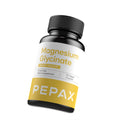
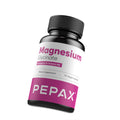
When considering a magnesium for PMS supplement, it is also worth looking at synergistic nutrients. PEPAX Magnesium Glycinate with Vitamin C & D3 supplies 200 mg of elemental magnesium per serving in a fully reacted bisglycinate chelate. Vitamin D3 is included because vitamin D receptors are widely expressed in reproductive tissues, and low vitamin D status has been correlated with primary dysmenorrhea in several observational studies; vitamin C serves as an antioxidant cofactor, which may support immune function during the menstrual phase. While no single product is a substitute for a well-designed clinical trial, choosing a well-absorbed form with a transparent elemental magnesium content is a sensible starting point.
Who Benefits Most from Magnesium for PMS?
Given the heterogeneity of premenstrual symptoms, it is unrealistic to expect that every woman will experience the same degree of relief from magnesium supplementation. The available evidence points toward three groups who are most likely to benefit.
Women with overt or subclinical magnesium deficiency. DiNicolantonio et al. (2018) made a compelling case that subclinical magnesium deficiency is a worldwide public health problem, exacerbated by processed-food diets, soil mineral depletion, and high stress levels. Women with low dietary magnesium intake (<250 mg/day) and those with elevated stress hormones are at especially high risk. Common signs of deficiency—muscle cramps, fatigue, irritability, and poor sleep—map directly onto PMS symptoms. If you recognize yourself in the magnesium deficiency warning signs, it is plausible that replenishing magnesium stores could lessen both inter-menstrual and premenstrual symptoms. This group will likely see the most pronounced effects.
Women with anxiety-predominant PMS or PMDD. Because magnesium exerts a calming effect on the central nervous system, those whose premenstrual distress is dominated by racing thoughts, nervous tension, emotional reactivity, or panic-like episodes may find magnesium particularly beneficial. The existing anxiety literature (Boyle et al., 2017) and the rapid mood effects observed in the depression RCT (Tarleton et al., 2017) suggest that magnesium’s influence on neurotransmitter systems is clinically meaningful. For these women, magnesium glycinate for anxiety can be a logical intervention to extend into the perimenstrual window.
Women with severe menstrual cramps (primary dysmenorrhea). While high-level RCTs are lacking, the mechanistic rationale for magnesium’s muscle-relaxant effect is strong. Women who experience intense, spasmodic pelvic pain that begins just before or with the onset of menstrual flow may find that consistent magnesium supplementation helps reduce the amplitude of uterine contractions. Because the prostaglandin-driven inflammatory cascade also rapidly depletes intracellular magnesium, maintaining an adequate magnesium buffer might lessen pain severity over time. Notably, magnesium glycinate for sleep can be a valuable adjunct here, as disturbed sleep during painful menstrual nights further exacerbates pain perception and mood disturbances.
Practical Takeaways for Using Magnesium for PMS
- Start with food, then supplement. Incorporate magnesium-rich foods daily: pumpkin seeds, almonds, spinach, black beans, and dark chocolate. If dietary intake remains below 300 mg/day, consider a targeted supplement.
- Select a well-absorbed, gentle form. Magnesium glycinate offers high bioavailability with a low risk of gastrointestinal side effects—an important consideration during a time when many women already feel bloated and uncomfortable.
- Target an elemental magnesium dose of 200–400 mg per day. Begin at the lower end of this range and increase gradually. Effects may take 4–8 weeks to become evident, so consistency is key.
- Track your symptoms systematically. Use a daily symptom diary or app to record cramp severity, mood changes, sleep quality, and bloating for at least two full cycles before starting supplementation, and then continue during the first three months of use. Objective data will help you and your healthcare provider determine if magnesium for PMS is working for you.
- Pay attention to timing. For cycle-related symptoms, some women benefit from taking magnesium daily throughout the entire month, while others prefer to increase the dose during the luteal phase (the 10–14 days before menstruation). Both approaches have merit; choose the one that aligns with your symptom pattern.
- Consult a healthcare professional if symptoms are severe. Magnesium is a safe, over-the-counter mineral, but severe PMS or PMDD that interferes with daily functioning warrants a comprehensive evaluation. Magnesium can be a valuable part of a multimodal plan, but it is not a replacement for medical care in cases of debilitating pain, severe depression, or suspected conditions like endometriosis.
The Bottom Line on Magnesium for PMS
The honest assessment is this: we do not yet have large, methodologically rigorous RCTs that have tested magnesium for PMS as a unified syndrome. What we do possess is a wealth of mechanistic data and high-quality clinical evidence from overlapping symptom domains—anxiety, depression, muscle cramps, sleep disturbance—that strongly suggest magnesium supplementation can help ease the burden of premenstrual symptoms for many women. Supplementing with a well-tolerated form such as magnesium glycinate for 2–3 months is a low-risk, nutritionally sound strategy that may yield measurable improvements, particularly when combined with lifestyle measures and a nutrient-dense diet. Until more direct trials are conducted, magnesium remains a front-line nutrient candidate for PMS, backed by biological plausibility and a safety profile that makes it worth a clinically guided try.
References
- Abbasi B, et al. "The effect of magnesium supplementation on primary insomnia in elderly: A double-blind placebo-controlled clinical trial." Journal of Research in Medical Sciences. 2012;17(12):1161–1169. [Source]
- Boyle NB, et al. "The Effects of Magnesium Supplementation on Subjective Anxiety and Stress — A Systematic Review." Nutrients. 2017;9(5):429. [Source]
- Gröber U, et al. "Magnesium in Prevention and Therapy." Nutrients. 2015;7(9):8199–8226. [Source]
- DiNicolantonio JJ, et al. "Subclinical magnesium deficiency: a principal driver of cardiovascular disease and a public health crisis." Open Heart. 2018;5(1):e000668. [Source]
- Tarleton EK, et al. "Role of magnesium supplementation in the treatment of depression: A randomized clinical trial." PLOS ONE. 2017;12(6):e0180067. [Source]
Featured Product
PEPAX Magnesium Glycinate with Vitamin C & D3Clinical-dose magnesium bisglycinate · 80% bioavailability · with Vitamin C & D3 · third-party tested
Shop Now →