


Magnesium is a mineral essential for over 600 enzymatic reactions in the body — from energy production to neurotransmitter regulation. Yet an estimated 50% of adults in developed countries don't meet the recommended daily intake. When choosing a magnesium supplement, the form matters enormously: different compounds differ in absorption, targeted benefits, and side effects. Here's what the 2025 clinical consensus says about which magnesium form is best for specific health goals.
Magnesium Glycinate: The All-Rounder for Relaxation
Magnesium glycinate (also called bisglycinate) is magnesium bound to the amino acid glycine. This chelated form delivers two key advantages:
Superior Absorption
As a chelate, magnesium glycinate achieves significantly higher serum magnesium levels than inorganic salts like magnesium oxide — which has a bioavailability of only ~4%. The glycine carrier actively transports magnesium across the intestinal wall, bypassing the competition for mineral absorption channels that limits other forms.
The Glycine Bonus
Glycine itself is an inhibitory neurotransmitter with calming properties. This gives magnesium glycinate a dual mechanism for sleep and stress: magnesium relaxes smooth muscle and regulates the HPA stress axis, while glycine independently promotes relaxation, lowers core body temperature (a sleep-onset signal), and enhances sleep quality through glycinergic pathways.
Gut Tolerance
Unlike magnesium citrate or oxide — which can cause gastrointestinal distress even at moderate doses — magnesium glycinate is well-tolerated at therapeutic doses. This makes it the preferred choice for long-term daily use.
How Other Forms Compare
| Form | Best For | Absorption | Gut Tolerance | Key Characteristic |
|---|---|---|---|---|
| Glycinate | Sleep, stress, general deficiency | Excellent | Excellent | The consensus #1 for relaxation and daily repletion |
| Citrate | Constipation relief | Good | Poor (laxative) | Pulls water into the colon — not ideal before bed |
| Threonate | Cognitive function, brain fog | Excellent (crosses BBB) | Good | Newer, pricier; uniquely penetrates the blood-brain barrier |
| Taurate | Heart health, blood pressure | Good | Good | Pairs magnesium with taurine for cardiovascular support |
| Malate | Energy, chronic fatigue, fibromyalgia | Good | Good | Slightly stimulating — better in the morning |
| Oxide | Occasional constipation | Very Poor (~4%) | Poor | Cheap filler; ineffective for raising magnesium levels |
The 2025 Clinical Consensus
A 2024 systematic review in the Journal of Translational Medicine (960 articles analyzed) confirmed that magnesium supplementation reduces muscle soreness and improves exercise performance. When it comes to sleep, a 2020 randomized trial in Nutrients found magnesium significantly improved anxiety and stress scores — especially in individuals with subclinical deficiency.
Forward-thinking practitioners, as profiled in The American Chiropractor (November 2025), are now combining three magnesium forms strategically:
- Glycinate — evening, for sleep and nervous system calming
- Taurate — cardiovascular and blood pressure support
- Threonate — daytime cognitive enhancement
Buyer Beware: The Bisglycinate Blend Trick
Many products labeled "magnesium bisglycinate" are actually blends that cut the expensive bisglycinate with cheap oxide or citrate. Always check the ingredient panel. If it lists anything beyond "magnesium bisglycinate" (e.g., "magnesium bisglycinate, magnesium oxide"), you're getting a diluted product with potentially more digestive side effects and less of the relaxation benefits you're paying for.
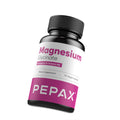
PEPAX Magnesium Glycinate formulas use 100% pure magnesium bisglycinate — no oxide fillers, no proprietary blends, with publicly available third-party Certificates of Analysis. Explore PEPAX Magnesium →
Bottom Line
For sleep, stress, and recovery — the combination of highest absorption, best tolerability, and glycine's bonus calming effect makes magnesium glycinate the clear #1 choice in 2025. If cognitive enhancement is your primary goal, consider threonate. For constipation, citrate has its place. But for daily wellness with minimal side effects, magnesium glycinate remains the gold standard.
References
- Zhang, Y., et al. "Effects of magnesium supplementation on muscle soreness and exercise performance." Journal of Translational Medicine (2024).
- Boyle, N.B., et al. "The effects of magnesium supplementation on subjective anxiety and stress." Nutrients (2020).
- "Total Body Magnesium: The Three-Form Strategic Approach." The American Chiropractor (November 2025).
- Nebraska Medicine. "7 Types of Magnesium: Which Form Is Right for You?" (2025).
- Drugs.com Medical Answers. "What type of magnesium should I take?" (2025).