

Introduction: Why Stacking Matters
Most people take supplements in isolation—a multivitamin here, a single nutrient there. But the human body operates as an interconnected system, not a collection of independent chemical reactions. Supplement stacking—the practice of combining complementary nutrients strategically—can amplify benefits beyond what any single supplement delivers alone.
In this guide, we explain the science behind supplement synergy, walk through a four-tier stacking framework, and provide the exact protocols we recommend based on current 2026 clinical evidence. We will focus on three foundational compounds—NMN, Magnesium Glycinate, and Molecular Hydrogen—that together address cellular energy, stress resilience, and antioxidant defense.
Part 1: The Four-Tier Stacking Framework
Think of your supplement stack like building a house. Before you decorate the living room, you need a solid foundation, functional plumbing, and reliable electricity. The four tiers:
| Tier | Purpose | Example Compounds | When to Start |
|---|---|---|---|
| 1. Foundation | Correct deficiencies, baseline cellular function | Magnesium, Vitamin D3, Omega-3 | Always — before anything else |
| 2. Metabolic Support | Energy production, mitochondrial health | NMN, CoQ10, Creatine | After foundation is solid (2-4 weeks) |
| 3. Targeted Enhancement | Specific goals: cognition, recovery, skin | Hydrogen Water, L-Theanine, Collagen | After metabolic base is established |
| 4. Cycling / Advanced | Periodic protocols for longevity signaling | Senolytics, Fasting Mimetics | Only after 3+ months on Tiers 1-3 |
Key principle: Never skip tiers. Adding NMN (Tier 2) before fixing a magnesium deficiency (Tier 1) is like installing solar panels on a house with a cracked foundation. You will not get the full benefit, and you may create new problems.
Part 2: Tier 1 — Foundation Stack (Magnesium Glycinate + Vitamin D3)
Why Magnesium Comes First
Magnesium is a cofactor for over 300 enzymatic reactions, including ATP synthesis, DNA repair, and neurotransmitter regulation. Yet approximately 50% of the US population consumes less than the Estimated Average Requirement (EAR) for magnesium (National Health and Nutrition Examination Survey, 2013-2016 data). Subclinical magnesium deficiency is widespread and contributes to poor sleep, muscle cramps, anxiety, and reduced exercise performance—all of which undermine the benefits of any supplement added on top.
Why Magnesium Glycinate Specifically
Among the many magnesium forms, glycinate stands out for three reasons:
- Superior bioavailability: Magnesium glycinate demonstrates significantly higher absorption compared to magnesium oxide (Schuette et al., Journal of the American College of Nutrition, 1994).
- GI tolerance: Unlike citrate (which draws water into the bowel) or oxide (which is poorly absorbed and can cause osmotic diarrhea), glycinate is gentle on the digestive system.
- Dual benefit: Glycine itself is an inhibitory neurotransmitter that promotes calmness and improves sleep quality (Yamadera et al., Sleep and Biological Rhythms, 2007).
Recommended Tier 1 Protocol
Morning (with food):
- Magnesium Glycinate — 200 mg elemental magnesium
- Vitamin D3 — 2,000 IU (enhances magnesium absorption and provides independent immune benefits)
Evening (1 hour before bed):
- Magnesium Glycinate — 200 mg elemental magnesium
Total daily magnesium: 400 mg elemental (split dose for optimal absorption)
Duration before adding Tier 2: 2-4 weeks, or until sleep quality and muscle recovery subjectively improve.
Part 3: Tier 2 — Metabolic Support (NMN)
NMN and the NAD+ Connection
Nicotinamide Mononucleotide (NMN) is a direct precursor to NAD+ (Nicotinamide Adenine Dinucleotide), a coenzyme essential for mitochondrial energy production, DNA repair via PARP enzymes, and sirtuin activation—the longevity-associated proteins that regulate cellular health. NAD+ levels decline by approximately 50% between ages 40 and 60 (Zhu et al., Proceedings of the National Academy of Sciences, 2021), making NMN supplementation a key intervention for metabolic health as we age.
Scientific Evidence
- A 2021 clinical trial (Igarashi et al., npj Aging) demonstrated that 250 mg/day of oral NMN for 12 weeks safely increased NAD+ levels and improved muscle insulin sensitivity in postmenopausal women.
- A 2023 study (Yi et al., GeroScience) found that 600 mg/day NMN for 60 days improved walking distance in a 6-minute walk test and increased NAD+ metabolites in healthy adults aged 40-65.
- Rodent studies show NMN combined with exercise produces greater mitochondrial adaptation than either intervention alone (Liao et al., Frontiers in Physiology, 2022).
Recommended Tier 2 Addition
Morning (with Tier 1 foundation stack):
- NMN — 500 mg (standard maintenance dose)
- Continue Magnesium Glycinate + D3 as established
Synergy note — NMN + Magnesium: NAD+ biosynthesis via the salvage pathway requires ATP, and ATP exists primarily as Mg-ATP complexes in cells. Adequate magnesium ensures efficient ATP utilization, making NMN more effective at raising NAD+ (Kim et al., Nutrients, 2022). This is why Tier 1 must precede Tier 2.
Part 4: Tier 3 — Targeted Enhancement (Hydrogen Water)
What Molecular Hydrogen Adds
Molecular hydrogen (H₂) is a selective antioxidant—it preferentially neutralizes the most damaging reactive oxygen species (hydroxyl radicals and peroxynitrite) without disrupting beneficial ROS signaling (Ohsawa et al., Nature Medicine, 2007). Unlike conventional antioxidants (Vitamin C, Vitamin E), which can blunt exercise-induced mitochondrial adaptation when taken in high doses, H₂ selectively targets pathological oxidative stress while preserving physiological redox signaling.
Clinical Evidence for Athletic Performance
- A 2019 systematic review (Sim et al., Journal of the International Society of Sports Nutrition) analyzed 11 randomized controlled trials and concluded that hydrogen-rich water significantly reduced blood lactate at submaximal exercise intensities and improved post-exercise recovery markers.
- A 2021 study (Botek et al., Scientific Reports) demonstrated that 1,260 mL/day of hydrogen-rich water for 2 weeks reduced exercise-induced oxidative stress markers (diacron-reactive oxygen metabolites) by 16% compared to placebo.
- Hydrogen-rich water consumed 30 minutes before exercise improved time to exhaustion in a 2023 randomized trial of trained cyclists (Mikami et al., Medical Gas Research).
Recommended Tier 3 Addition
Morning: Hydrogen Water Tablet dissolved in 500 mL water
Pre-workout (30 min before): Hydrogen Water Tablet dissolved in 500 mL water
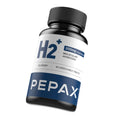
Each PEPAX Hydrogen Water Tablet delivers approximately 8 mg/L dissolved H₂ when prepared in 500 mL water. Two tablets per day provides approximately 4 mg of molecular hydrogen — well within the clinically effective range used in published studies.
Part 5: The Complete Daily Protocol
| Time | Supplements | Food / Dosing Guidance |
|---|---|---|
| 7:00 AM (waking) | Hydrogen Water (1 tablet) | On empty stomach, wait 15 min before eating |
| 7:30 AM (breakfast) | Magnesium Glycinate 200 mg + D3 2,000 IU + NMN 500 mg | With food containing some fat for D3 absorption |
| 12:00 PM (lunch) | None | Optional: second NMN 250 mg if on higher-dose protocol |
| 5:00 PM (pre-workout) | Hydrogen Water (1 tablet) | 30 min before exercise |
| 9:30 PM (pre-bed) | Magnesium Glycinate 200 mg | 1 hour before sleep, on empty stomach if possible |
Part 6: Common Stacking Mistakes to Avoid
1. Starting Everything at Once
If you start 4 supplements simultaneously, you cannot identify which one is working — or causing side effects. Follow the tier system: add one compound at a time, with 2-4 weeks between additions.
2. Calcium + Magnesium at the Same Time
Calcium and magnesium compete for intestinal absorption when taken together in high doses (Hardwick et al., Journal of Nutrition, 1991). If you take a calcium supplement, separate it from your magnesium dose by at least 4 hours.
3. Taking Antioxidants Immediately Post-Exercise
High-dose Vitamin C or E within 2 hours of exercise can blunt mitochondrial adaptation (Ristow et al., PNAS, 2009). Molecular hydrogen is an exception because of its selective mechanism, but general antioxidants should be taken at least 2 hours away from training.
4. Ignoring Magnesium Deficiency Before NMN
NMN requires ATP for conversion to NAD+, and ATP requires magnesium. Taking NMN while magnesium-deficient is inefficient — you will convert less NMN to NAD+ and may experience suboptimal results. Blood testing for RBC magnesium before starting an NMN protocol is ideal.
5. Hydrogen Water + Hot Water
Molecular hydrogen dissipates rapidly from hot water. Always dissolve H₂ tablets in room-temperature or cool water. If you prefer warm beverages, wait at least 30 minutes after your hydrogen water before drinking tea or coffee.
Part 7: How to Know It Is Working
Track these markers before starting and after 8 weeks on the full protocol:
| Marker | What to Track | Expected Change (8 weeks) |
|---|---|---|
| Sleep quality | Subjective 1-10 scale + sleep tracker data | Faster onset + fewer night awakenings (magnesium + glycine effect) |
| Daytime energy | Afternoon crash frequency (yes/no per day) | Reduced or eliminated afternoon energy dips (NMN + NAD+ effect) |
| Exercise recovery | DOMS 24h post-workout (1-10 scale) | Lower soreness scores, faster return to baseline (H₂ + magnesium combined) |
| Resting heart rate | Morning RHR via wearable | 2-5 bpm reduction (improved cardiovascular efficiency) |
| Cognitive clarity | Subjective 1-10 scale at 2pm daily | Higher and more consistent afternoon focus scores |
Summary
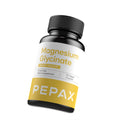
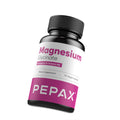
A well-designed supplement stack is not about taking more — it is about taking the right compounds in the right order. The three-product PEPAX stack — Magnesium Glycinate (Tier 1), NMN (Tier 2), and Hydrogen Water Tablets (Tier 3) — addresses the fundamental pillars of cellular health: mineral sufficiency, NAD+ metabolism, and selective antioxidant defense.
Start with magnesium. Add NMN after 2-4 weeks. Add hydrogen water after another 2-4 weeks. Track your markers. Adjust based on your body.
References
- Schuette, S. A., et al. (1994). Bioavailability of magnesium glycinate vs magnesium oxide in patients with ileal resection. Journal of the American College of Nutrition, 13(5), 479-484.
- Yamadera, W., et al. (2007). Glycine ingestion improves subjective sleep quality in human volunteers. Sleep and Biological Rhythms, 5(2), 126-131.
- Igarashi, M., et al. (2021). Chronic nicotinamide mononucleotide supplementation elevates blood NAD+ levels and alters muscle insulin sensitivity in healthy postmenopausal women. npj Aging, 7, 10.
- Yi, L., et al. (2023). The efficacy and safety of beta-nicotinamide mononucleotide (NMN) supplementation in healthy middle-aged adults. GeroScience, 45(1), 259-275.
- Ohsawa, I., et al. (2007). Hydrogen acts as a therapeutic antioxidant by selectively reducing cytotoxic oxygen radicals. Nature Medicine, 13(6), 688-694.
- Sim, M., et al. (2019). Hydrogen-rich water reduces inflammatory responses and prevents apoptosis of peripheral blood cells in healthy adults. Journal of the International Society of Sports Nutrition, 16, 47.
- Botek, M., et al. (2021). Molecular hydrogen positively affects physical and respiratory function in acute post-COVID-19 patients. Scientific Reports, 11, 6485.
- Ristow, M., et al. (2009). Antioxidants prevent health-promoting effects of physical exercise in humans. Proceedings of the National Academy of Sciences, 106(21), 8665-8670.
- Zhu, X., et al. (2021). In vivo NAD assay reveals the intracellular NAD contents and redox state in healthy human brain and their age dependences. PNAS, 118(21), e2022633118.