

Molecular hydrogen (H₂) has quietly become one of the most studied molecules in therapeutic nutrition — with over 1,500 peer-reviewed publications. But is hydrogen water a genuine antioxidant innovation, or just another wellness trend? The 2025-2026 clinical evidence provides some of the strongest answers yet.
How Molecular Hydrogen Works
Unlike broad-spectrum antioxidants (vitamin C, vitamin E) that can blunt beneficial oxidative signaling, molecular hydrogen is a selective antioxidant. It specifically targets the most cytotoxic free radicals — hydroxyl radicals (•OH) and peroxynitrite (ONOO⁻) — while sparing weaker reactive oxygen species like hydrogen peroxide (H₂O₂) that serve essential signaling roles.
A 2025 comprehensive review in Current Pharmaceutical Design identified five confirmed biological mechanisms:
- Selective scavenging of toxic free radicals (•OH, ONOO⁻)
- Anti-inflammatory signaling via NF-κB and Nrf2/Keap1 pathway activation
- Regulation of glucose and lipid metabolism
- Protection of mitochondrial function and structure
- Regulation of apoptosis (programmed cell death)
Because H₂ is the smallest molecule in existence, it diffuses rapidly across cell membranes, including the blood-brain barrier and mitochondrial membranes — reaching cellular compartments that larger antioxidants cannot access.
2025 Elite Athlete Trial: The Hardest Evidence Yet
Published in the Journal of Lifestyle Medicine (February 2025, PMID: 40376695), a randomized, double-blinded, placebo-controlled trial with 22 elite female athletes produced striking results after 28 days of hydrogen-rich water tablets:
- Body composition: Increased muscle mass, decreased body fat percentage (p < 0.05)
- Performance: Maximal torque increased ~12.6% after intensive exercise (p < 0.05)
- Muscle damage: Significantly reduced creatine kinase (a marker of muscle breakdown)
- Antioxidant status: Increased vitamin E and the anti-inflammatory cytokine IL-10; decreased vitamin C and beta-carotene (indicating reduced oxidative demand)
- Safety: No adverse effects reported over 28 days of daily use
This is the most rigorous human trial of hydrogen water to date — and the results support both performance and recovery benefits.
MD Anderson Position (2026)
MD Anderson Cancer Center, one of the world's leading cancer institutions, published an evidence review in January 2026. Their position: molecular hydrogen is classified by the National Cancer Institute as having "potential preventive, antioxidant, anti-inflammatory, and radiation protective activities." It is generally recognized as safe with no known significant risks or side effects. Their primary caveat: "more research is needed" — the evidence base, while promising, is still developing.
Tablets vs Machines: Which Delivery Method?
Hydrogen water can be produced in two main ways: electrolysis-based machines (bottles, pitchers, countertop units) and dissolvable tablets that generate H₂ when added to water.
| Method | Advantages | Limitations |
|---|---|---|
| Electrolysis Bottles | On-demand production; reusable; no consumables | Higher upfront cost ($50-300); requires cleaning/maintenance; electrode degradation over time; produces ozone as byproduct in cheaper models |
| H₂ Tablets | Portable; consistent dose per tablet; no device maintenance; no ozone byproduct; typically provides ~10 ppm H₂ concentration | Recurring cost; must be consumed within ~5 minutes of dissolving (H₂ escapes quickly); water temperature affects dissolution rate |
The critical factor for both methods is the concentration of dissolved H₂. The clinical threshold for antioxidant effects appears to be approximately 0.5-1.6 ppm — but higher concentrations (up to 10 ppm from tablets) may provide more robust effects, as seen in the 2025 athlete trial.
Practical Usage Tips
- Drink immediately: H₂ escapes from water within 5-10 minutes. Don't let it sit.
- Use cool or room-temperature water: Heat accelerates H₂ dissipation.
- Consume on an empty stomach: Absorption is more efficient without food competing for intestinal transit.
- Morning or pre-workout: For energy and antioxidant priming. Evening use may also support recovery and sleep quality.
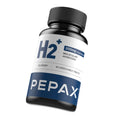
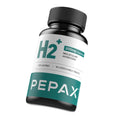
PEPAX H₂ tablets deliver 10 ppm of molecular hydrogen in a portable, consistent-dosing format — no device maintenance, no ozone byproducts, and third-party tested for purity. Explore PEPAX Hydrogen Water Tablets →
Bottom Line
The 2025-2026 evidence elevates molecular hydrogen from "interesting theory" to "clinically supported tool" — particularly for athletic performance and recovery, where the RCT data is strongest. The safety profile is excellent, and the selectivity of H₂'s antioxidant mechanism addresses a key limitation of conventional antioxidants. While the evidence base needs more large-scale trials, the trajectory of the research is clearly positive. For evidence-driven individuals seeking antioxidant support without the drawbacks of broad-spectrum antioxidants, hydrogen water tablets represent one of the most promising developments in nutritional science.
References
- Javorac, D., et al. "Hydrogen-Rich Water Decreases Muscle Damage and Improves Power Endurance in Elite Athletes: A Randomized, Double-Blinded, Placebo-Controlled Trial." Journal of Lifestyle Medicine (2025). PMID: 40376695.
- "Oral Administration of Hydrogen-rich Water: Biomedical Activities, Potential Mechanisms, and Clinical Applications." Current Pharmaceutical Design (2025).
- MD Anderson Cancer Center. "Hydrogen water: Does it have health benefits?" (January 2026).
- "A Comprehensive Review of Molecular Hydrogen as a Novel Nutrition Therapy." Biochemistry and Biophysics Reports (2025).
- Ohta, S. "Molecular hydrogen is a novel antioxidant." Pharmacology & Therapeutics (2012). PMID: 22146004.