




Aging increases magnesium requirements due to reduced intestinal absorption, increased renal excretion, and medication interactions. Adults over 50 are at significantly higher deficiency risk than younger populations — yet most are unaware. This article reviews the age-specific mechanisms and evidence-based correction strategies.
Magnesium deficiency after 50 is a clinically underrecognized phenomenon that shifts from a possibility to a probability for millions of aging adults. Unlike the overt deficiencies seen in acute illness, the deficit common in midlife and beyond is typically subclinical—subtle enough to evade standard serum testing, yet significant enough to undermine sleep architecture, mood regulation, cardiovascular resilience, and metabolic health.
The Research Landscape: How Prevalent Is Magnesium Deficiency After 50?
Epidemiological surveys consistently report that over half of older adults in Western populations fail to meet the estimated average requirement for magnesium through diet alone. DiNicolantonio et al. (2018) describe subclinical magnesium deficiency as a “principal driver of cardiovascular disease and a public health crisis,” citing data that implicate low magnesium intake in hypertension, arterial stiffness, and arrhythmias. The problem is not simply one of intake; age-associated physiological changes and medication use widen the gap between dietary supply and cellular demand.
Clinical trials targeting magnesium deficiency after 50 offer a mixed but instructive picture. Many are small—Abbasi et al. (2012) enrolled just 46 elderly participants with insomnia—yet produce remarkably consistent signals across domains: improved sleep onset, reduced anxiety, and better metabolic markers. The largest interventional datasets come from systematic reviews and meta-analyses, such as the work by Boyle et al. (2017), which synthesized data from 18 studies and found a significant, albeit modest, anxiolytic effect of magnesium supplementation. The evidence base, while not yet populated with large-scale, multi-year randomized controlled trials, is growing in coherence. For the skeptical reader, the takeaway is that the clinical data are directionally strong and mechanistically plausible, but most human studies to date are small-scale and short-term. This should not dissuade action; rather, it frames magnesium repletion as a low-risk, biologically rational intervention while we await longer-term outcome trials.
One reason the prevalence of magnesium deficiency after 50 is frequently underestimated is the diagnostic tool most commonly used: serum magnesium. The body tightly regulates extracellular magnesium at the expense of intracellular and bone stores, meaning a normal serum level often masks a substantial total-body deficit. Red blood cell (RBC) magnesium testing provides a more accurate tissue-level picture, yet is rarely ordered in routine care. This diagnostic gap means that many of the nonspecific complaints of aging—fatigue, muscle cramps, poor sleep, mental fog—are never connected to their potential root cause. For a deeper dive into the symptoms that should prompt a closer look, see our article on magnesium deficiency warning signs.
The Molecular Mechanisms Behind Age-Related Magnesium Depletion
To understand why magnesium needs increase with age, we must look beyond simple intake numbers and examine the molecular biology of magnesium homeostasis. Magnesium is the second most abundant intracellular cation and a cofactor for over 300 enzymatic reactions, including every step of ATP metabolism, DNA repair, and neurotransmitter synthesis. The body’s magnesium pool is maintained through a delicate interplay between intestinal absorption, renal reabsorption, and bone reservoir exchange—all of which become less efficient after midlife.
Intestinal absorption of magnesium declines with age due to reduced gastric acid secretion, a phenomenon compounded by the widespread use of proton-pump inhibitors (PPIs). Gröber et al. (2015) outline how achlorhydria impairs the solubilization of magnesium salts from food, effectively reducing bioavailability even when dietary intake is adequate. At the same time, renal magnesium handling deteriorates. The thick ascending limb of the loop of Henle, which reclaims approximately 70% of filtered magnesium, shows age-related declines in expression of the tight-junction protein claudin-16, leading to obligatory renal magnesium loss. Thiazide and loop diuretics—among the most prescribed drug classes in the over-50 population—further amplify urinary excretion.
Cellular uptake presents a third bottleneck. Insulin, a hormone commonly elevated in the insulin-resistant states of aging, stimulates Mg²⁺ entry into cells via TRPM6 and TRPM7 channels. Chronic hyperinsulinemia paradoxically causes intracellular magnesium depletion as the kidneys increase excretion to compensate for the cellular influx, eventually exhausting total-body stores. This explains the tight epidemiological link between magnesium deficiency after 50, type 2 diabetes, and metabolic syndrome. Moreover, the neuroendocrine stress response directly drains magnesium. Boyle et al. (2017) detail how activation of the hypothalamic-pituitary-adrenal (HPA) axis increases urinary magnesium excretion, creating a vicious cycle: stress depletes magnesium, and low magnesium sensitizes the HPA axis to future stressors. Combined, these mechanisms make magnesium depletion almost inevitable without deliberate dietary and supplemental strategies.
Comparing Magnesium Forms, Dosages, and Strategies for Those Over 50
Not all magnesium supplements are created equal, and the choice of form carries significant implications for absorption, tolerability, and targeted therapeutic effect. Inorganic salts like magnesium oxide are cheap and contain a high percentage of elemental magnesium by weight, but their bioavailability is poor—often below 5%—and they frequently cause gastrointestinal distress. Organic chelates, particularly magnesium glycinate, offer a distinctive advantage: the amino acid glycine facilitates active transport across the intestinal epithelium, bypassing the passive paracellular route that becomes less efficient with age. This makes glycinate an ideal candidate for addressing magnesium deficiency after 50.
The following table summarizes the key differences among commonly available magnesium forms, their bioavailability, and clinical applications relevant to an aging population.
| Magnesium Form | Bioavailability | GI Tolerability | Typical Evidence-Based Use | Notes for Older Adults |
|---|---|---|---|---|
| Magnesium Oxide | Low (~4-5%) | Poor; osmotic laxative effect | Constipation (high doses) | Avoid for systemic repletion; low tissue uptake |
| Magnesium Citrate | Moderate (~25-30%) | Moderate; can cause loose stools | General deficiency, mild constipation | Good bioavailability but GI tolerance can be limiting |
| Magnesium Glycinate | High (chelated; active transport) | Excellent; minimal GI effects | Sleep, anxiety, long-term repletion | Glycine adds calming CNS effect; ideal for chronic use |
| Magnesium Chloride | High (soluble) | Moderate | Topical or oral; rapid correction | Oral solution tastes bitter; often used transdermally |
| Magnesium L-Threonate | Unique brain penetration | Good | Cognitive support (preclinical) | Limited human outcome data; higher cost |
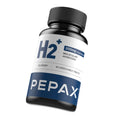
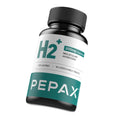
Dosing strategies matter as much as the form. The RDA for magnesium is 320 mg/day for women and 420 mg/day for men over 30, but these values are set to prevent frank deficiency, not to optimize physiological function. DiNicolantonio et al. (2018) argue that a daily intake of 400–600 mg—from both food and supplementation—is a more appropriate target for cardiovascular and metabolic protection. In the clinical trial by Abbasi et al. (2012), 500 mg of elemental magnesium daily produced significant improvements in sleep efficiency and sleep time within 8 weeks. Tarleton et al. (2017) found that 248 mg of elemental magnesium (as magnesium chloride) daily led to clinically meaningful reductions in depression scores, with effects comparable to some first-line antidepressant trials, and effects appearing within 2 weeks. These doses are achievable with a combination of dietary magnesium (leafy greens, nuts, seeds, legumes) and a well-formulated supplement. For example, formulations like PEPAX Magnesium Glycinate with Astragalus & B6 combine magnesium glycinate, which is highly bioavailable and gentle on the stomach, with vitamin B6 to enhance intracellular transport and astragalus as an adaptogen—addressing both sleep quality and stress resilience, two of the most common concerns tied to magnesium deficiency after 50.
Who Benefits Most from Correcting Low Magnesium After 50?
While universal magnesium optimization makes biological sense, certain subgroups within the over-50 demographic stand to gain the most. At the top of the list are individuals with poor-quality sleep. The Abbasi et al. (2012) trial specifically recruited older adults suffering from primary insomnia and demonstrated that magnesium supplementation significantly increased sleep time, sleep efficiency, and reduced early-morning awakening. The proposed mechanism involves magnesium’s role as a natural NMDA-receptor antagonist and GABA agonist, dampening the excitatory neurotransmission that impedes sleep onset.
Postmenopausal women constitute another high-priority population. The decline in estrogen accelerates bone resorption, and magnesium is critical for both the structural integrity of bone mineral and the regulation of parathyroid hormone and vitamin D. Without adequate magnesium, calcium supplementation may fail to improve bone density and could even increase soft-tissue calcification risk. This relationship is explored in detail in our article on magnesium and bones. Similarly, anyone on long-term PPIs, thiazide diuretics, or metformin faces an elevated risk of clinically meaningful magnesium depletion and should consider proactive repletion.
Mood and mental health in aging have also emerged as strong evidence domains. Tarleton et al. (2017) demonstrated that magnesium supplementation reduced depression scores with an effect size of −0.6 (Clinically Significant), a result that held across mild and moderate depression. Boyle et al. (2017) confirmed the beneficial effect of magnesium on subjective anxiety, although they noted that placebo response was high, suggesting some expectation effects. Nonetheless, the overall weight of evidence supports magnesium as a safe, low-cost component of a comprehensive mood management plan. Finally, for those embracing proactive longevity strategies—including NAD+ support—magnesium’s role as a required cofactor for the enzymes that synthesize and utilize NAD+ means that optimal magnesium status may potentiate the benefits of compounds like nicotinamide mononucleotide. Our piece on NMN after 50 delves into that synergy. A sound foundation also matters; our science-backed supplement stack outlines how magnesium fits within a broader, evidence-based longevity protocol.
Practical Takeaways: 6 Evidence-Based Steps to Address Magnesium Deficiency After 50
- Build a magnesium-rich dietary foundation. Prioritize dark leafy greens (spinach, Swiss chard), pumpkin seeds, almonds, black beans, and avocado. Even with a whole-foods diet, depleted agricultural soils make it challenging to consistently hit 400+ mg daily—trackeryour intake for a week to gauge the gap.
- Select a bioavailable supplement form. Magnesium glycinate offers high bioavailability, excellent GI tolerability, and the added calming benefit of glycine. This makes it particularly suited for long-term use in older adults who need consistent tissue repletion without digestive upset.
- Optimize with supporting co-factors. Vitamin B6 (pyridoxal-5′-phosphate) enhances magnesium entry into cells by increasing membrane permeability and intracellular binding. This synergy is well-documented and part of the reason combination formulations can be more effective than magnesium alone.
- Audit your medication list. Proton-pump inhibitors, thiazide and loop diuretics, and metformin all deplete magnesium. Do not discontinue any prescribed medication without consulting your physician, but do discuss magnesium testing and repletion as part of your care plan.
- Test beyond serum. When possible, request a red blood cell (RBC) magnesium test, which reflects tissue stores more accurately. Serum magnesium can remain normal even when total-body deficiency is advanced. Some functional medicine practitioners also use the magnesium loading test, though it is less accessible.
- Match timing to your goal. For sleep support, take magnesium glycinate 30–60 minutes before bed. For daytime stress resilience, split the dose between morning and evening to maintain steady tissue levels. Consistency trumps acute dosing; benefits typically emerge over 4–8 weeks of daily use.
Bottom Line
Magnesium deficiency after 50 is not a niche concern—it is a predictable consequence of aging physiology, modern prescribing patterns, and soil-depleted diets. The evidence from existing randomized trials, while predominantly small, consistently points toward meaningful improvements in sleep, mood, and cardiovascular risk markers when deficiency is corrected. Magnesium glycinate formulations offer a practical, well-tolerated means of closing the gap, but they work best when paired with dietary attention and periodic monitoring. No supplement replaces a nutrient-dense diet, yet for the majority of adults over 50, targeted repletion represents one of the lowest-risk, highest-upside interventions available in healthy aging.
References
- Abbasi B, et al. "The effect of magnesium supplementation on primary insomnia in elderly: A double-blind placebo-controlled clinical trial." Journal of Research in Medical Sciences. 2012;17(12):1161–1169. [Source]
- Boyle NB, et al. "The Effects of Magnesium Supplementation on Subjective Anxiety and Stress — A Systematic Review." Nutrients. 2017;9(5):429. [Source]
- Gröber U, et al. "Magnesium in Prevention and Therapy." Nutrients. 2015;7(9):8199–8226. [Source]
- DiNicolantonio JJ, et al. "Subclinical magnesium deficiency: a principal driver of cardiovascular disease and a public health crisis." Open Heart. 2018;5(1):e000668. [Source]
- Tarleton EK, et al. "Role of magnesium supplementation in the treatment of depression: A randomized clinical trial." PLOS ONE. 2017;12(6):e0180067. [Source]
Featured Product
PEPAX Magnesium Glycinate with Astragalus & B6Magnesium glycinate · Astragalus root adaptogen · Vitamin B6 · clinical dose · cGMP certified
Shop Now →