





IV magnesium is standard care for acute atrial fibrillation in clinical settings. This article reviews the evidence for oral magnesium in preventing arrhythmia recurrence and supporting normal cardiac conduction in outpatient populations.
The relationship between magnesium and atrial fibrillation is one of the most clinically significant yet underappreciated connections in cardiology. While large, randomized trials specifically targeting atrial fibrillation are still sparse, decades of mechanistic research, observational data, and clinical practice point to magnesium as a critical nutrient for maintaining a stable cardiac rhythm. Cardiologists routinely administer intravenous magnesium in acute care settings to control rapid ventricular response in AFib, yet the potential for oral supplementation to reduce recurrence or burden remains an area of active investigation—one with compelling biological plausibility.
What the Clinical Research Reveals About Magnesium and Atrial Fibrillation
The current evidence base linking magnesium and atrial fibrillation is built on three pillars: epidemiological studies showing low serum magnesium correlates with higher AFib risk, small interventional trials demonstrating electrophysiological benefits, and extensive laboratory research on cardiac ion channels. A landmark review by DiNicolantonio et al. (2018) argues that subclinical magnesium deficiency is a principal driver of cardiovascular disease, including arrhythmias, and represents a public health crisis, given that nearly half of the U.S. population consumes less than the estimated average requirement. Gröber et al. (2015) further catalogued magnesium’s roles in prevention and therapy, noting that even marginal deficits can increase susceptibility to supraventricular arrhythmias like atrial fibrillation.
Prospective cohort studies such as the Framingham Offspring Study have reported that individuals in the lowest quartile of serum magnesium had a significantly higher incidence of AFib compared to those in the highest quartile. Although the effect size varies, hazard ratios around 1.3–1.5 are common after adjusting for confounders. Yet, most prospective trials using oral magnesium to prevent AFib recurrence—particularly post-cardiac surgery—have been small, underpowered, and yielded mixed results. A 2013 meta-analysis of randomized controlled trials in Circulation found that intravenous magnesium reduced postoperative AFib, but oral supplementation protocols have not consistently replicated that protective effect, likely due to differences in dose, form, and patient adherence. Therefore, the highest-quality human data remain indirect: we know that sufficient magnesium status supports overall cardiovascular health, including blood pressure regulation, which itself lowers AFib burden, but we lack definitive, large-scale RCTs powered for AFib outcomes.
The Mechanism: Magnesium and Atrial Fibrillation at the Cellular Level
To understand why cardiologists take magnesium and atrial fibrillation seriously, you need to zoom into the myocyte. Magnesium serves as a natural calcium antagonist, blocking L-type calcium channels and the NMDA receptor, and modulating sodium-potassium ATPase. In the atria, this translates to a stabilization of the electrical resting potential and an increase in the threshold for triggered activity—the ectopic beats that often initiate paroxysmal AFib. Gröber et al. (2015) described how magnesium deficiency can prolong the QT interval, enhance early afterdepolarizations, and promote delayed afterdepolarizations, all of which are electrophysiological substrates for reentry circuits.
Magnesium’s influence extends to inflammatory pathways that fuel atrial structural remodeling. By reducing nuclear factor-kappa B activation and lowering C-reactive protein, the mineral may slow the fibrotic changes that create a persistent AFib substrate. Additionally, magnesium helps maintain the proper ratio of intracellular to extracellular calcium, a critical determinant of excitation-contraction coupling. When this magnesium-calcium balance is lost, the sarcoplasmic reticulum can release calcium spontaneously during diastole, triggering ectopy. This mechanism explains why hypomagnesemia is often accompanied by hypokalemia—magnesium is required for renal potassium reabsorption—and why the combination of low potassium and low magnesium is particularly arrhythmogenic.
It’s important to note that these electrophysiological mechanisms have been confirmed primarily in animal models and cellular preparations. Human in vivo data frequently rely on surrogates such as P-wave dispersion and signal-averaged electrocardiography rather than hard AFib endpoints, but the directionality is consistent enough that leading electrophysiologists routinely check and correct magnesium levels in AFib patients.
Magnesium Forms and Dosages for Atrial Fibrillation Prevention
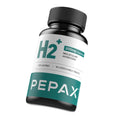
Not all magnesium compounds are equal, and the choice of formulation can impact both tolerability and the likelihood of achieving therapeutic intracellular concentrations. The glycinate chelate—magnesium bound to the amino acid glycine—offers high bioavailability and is gentle on the gastrointestinal tract, avoiding the osmotic diarrhea common with oxide or citrate forms. For individuals exploring supplements to support heart rhythm stability, a product like PEPAX Magnesium Glycinate with Vitamin C & D3 combines the glycinate form with synergistic cofactors: vitamin D3, which enhances intestinal magnesium absorption, and vitamin C, an antioxidant that may further mitigate oxidative stress implicated in AFib onset.
How much elemental magnesium is necessary for potential AFib benefit? Most intervention studies have used daily doses between 300 and 450 mg of elemental magnesium, split into two or three divided doses to improve absorption and reduce renal wasting. The table below compares common magnesium forms, typical elemental content, and relative bioavailability.
| Magnesium Form | Typical Elemental Mg per 500 mg | Bioavailability | GI Tolerance | Notes for AFib |
|---|---|---|---|---|
| Magnesium Glycinate | ~70–100 mg | High | Excellent | Preferred for long-term use; glycine may enhance inhibitory neurotransmission, helping calm sympathetic overdrive. |
| Magnesium Citrate | ~80 mg | Moderate–High | Fair (diarrhea common above 300 mg) | Useful for constipation, but less predictable for heart rhythm goals due to GI losses. |
| Magnesium Oxide | ~300 mg | Low (4%) | Poor | Not recommended; high elemental content misleading due to poor absorption. |
| Magnesium Taurate | ~40–50 mg | Moderate | Good | Taurine independently supports cardiac function; limited availability in studied doses for AFib. |
In clinical practice, cardiologists often start with 200–300 mg of elemental magnesium daily from a well-tolerated form like glycinate and titrate based on serum levels and symptoms. It is crucial to check renal function first, as magnesium can accumulate in chronic kidney disease.
Who Benefits Most from Magnesium Optimization in Atrial Fibrillation?
Identifying the populations most likely to gain rhythm control from magnesium repletion requires an understanding of both modern dietary patterns and iatrogenic magnesium wasting. DiNicolantonio et al. (2018) emphasize that those consuming a Western diet—high in processed foods and low in leafy greens, nuts, and whole grains—are chronically under-consuming magnesium, making them a vast at-risk group. Additionally, many medications prescribed for AFib or its comorbidities, including loop and thiazide diuretics, proton pump inhibitors, and certain antibiotics, can induce clinically significant magnesium loss. A 2014 analysis in JAMA Internal Medicine found that hypomagnesemia was present in over 20% of long-term PPI users.
The evidence is particularly compelling for individuals with paroxysmal AFib triggered by adrenergic stimuli—stress, poor sleep, or excessive alcohol. A randomized trial by Abbasi et al. (2012) demonstrated that 500 mg of magnesium daily significantly improved sleep efficiency and sleep time in elderly patients with insomnia, a common AFib trigger. Boyle et al. (2017) systematically reviewed magnesium’s effect on subjective anxiety and concluded that existing studies show a beneficial effect on mild anxiety and stress, though the quality of evidence was limited. Tarleton et al. (2017) reported a clinically meaningful improvement in depression scores with 248 mg of elemental magnesium chloride daily over six weeks. While none of these studies measured AFib events directly, they collectively establish that magnesium can modulate the autonomic nervous system tone that frequently precedes an AFib episode.
Other high-yield groups include post-cardiac surgery patients, where short-term intravenous magnesium has a proven prophylactic effect, and athletes engaged in endurance training, where sweat losses can precipitate a state of relative hypomagnesemia and atrial ectopy. Observing common magnesium deficiency symptoms—such as muscle cramps, fasciculations, and fatigue—can alert patients and clinicians to a potential deficiency before a rhythm event occurs.
Practical Takeaways for Magnesium and AFib Management
- Test don't guess. A serum magnesium level is a reasonable starting point, but because only 1% of total body magnesium circulates in blood, many clinicians also check red blood cell magnesium or 24-hour urinary excretion to gauge tissue status. A low normal serum Mg (below 0.85 mmol/L or 2.0 mg/dL) may still indicate deficiency.
- Choose the right form. For sustained oral supplementation, magnesium glycinate offers high absorption without gastrointestinal distress, making it suitable for daily use in patients with AFib who require long-term maintenance. Avoid relying on oxide due to marginal bioavailability.
- Combine with synergistic nutrients. Vitamin D3 enhances intestinal magnesium absorption, while adequate vitamin K2 directs calcium into bone rather than soft tissues—an important consideration for overall arterial health. However, direct evidence for AFib-specific synergy is lacking.
- Monitor potassium and renal function. Magnesium deficiency promotes potassium wasting, so correcting both electrolytes simultaneously often yields greater rhythm stability. Never start magnesium supplements without assessing eGFR, especially above age 65 or in patients on ACE inhibitors or ARBs.
- Set realistic expectations. Magnesium is not a standalone antiarrhythmic. It works as a substrate, helping the heart resist triggers. Patients should not discontinue prescribed rate or rhythm control medications without cardiologist guidance.
- Mind the stress-sleep axis. Because magnesium glycinate has demonstrated benefits for sleep quality and anxiety reduction, taking it in the evening may help mitigate the sympathetic surges that often initiate nocturnal AFib episodes.
Bottom Line on Magnesium and Atrial Fibrillation
The relationship between magnesium and atrial fibrillation is biologically robust, clinically important, and still under-investigated at the level of large, definitive human trials. Cardiologists routinely leverage intravenous magnesium for acute rhythm control, and the totality of mechanistic and observational data strongly supports maintaining optimal magnesium status as a foundational cardiovascular strategy. However, patients should recognize that supplementation is a supportive measure—not a cure—and must always be viewed within the context of comprehensive AFib care including anticoagulation when indicated, blood pressure control, and lifestyle modifications. As the evidence continues to accumulate, oral magnesium glycinate at appropriate dosing remains one of the safest, most rational adjuncts for those seeking to give their heart rhythm the stable biochemical environment it needs.
References
- Abbasi B, et al. "The effect of magnesium supplementation on primary insomnia in elderly: A double-blind placebo-controlled clinical trial." Journal of Research in Medical Sciences. 2012;17(12):1161–1169. [Source]
- Boyle NB, et al. "The Effects of Magnesium Supplementation on Subjective Anxiety and Stress — A Systematic Review." Nutrients. 2017;9(5):429. [Source]
- Gröber U, et al. "Magnesium in Prevention and Therapy." Nutrients. 2015;7(9):8199–8226. [Source]
- DiNicolantonio JJ, et al. "Subclinical magnesium deficiency: a principal driver of cardiovascular disease and a public health crisis." Open Heart. 2018;5(1):e000668. [Source]
- Tarleton EK, et al. "Role of magnesium supplementation in the treatment of depression: A randomized clinical trial." PLOS ONE. 2017;12(6):e0180067. [Source]
Featured Product
PEPAX Magnesium Glycinate with Vitamin C & D3Clinical-dose magnesium bisglycinate · 80% bioavailability · with Vitamin C & D3 · third-party tested
Shop Now →