





Over 50% of Americans consume less magnesium than the RDA, yet serum testing misses most cases since only 1% of body magnesium is in blood. This article covers functional symptoms, better assessment methods, and repletion strategies.
Magnesium deficiency is one of the most underappreciated mineral imbalances in modern health — largely because routine blood tests fail to detect it until the body’s reserves are severely depleted. Despite serum magnesium remaining within a “normal” range, you can still experience a host of symptoms driven by low intracellular magnesium. This article unpacks the ten key signs of inadequacy, explains why standard testing misses the mark, and reviews the clinical evidence on who is at risk and what you can do about it.
The Research Landscape: How Prevalent Is Magnesium Deficiency?
Subclinical magnesium deficiency is not a fringe concern. DiNicolantonio et al. (2018) described it as a principal driver of cardiovascular disease and a genuine public health crisis, supported by decades of epidemiological data showing widespread dietary shortfalls. A 2018 review in Open Heart emphasized that standard serum magnesium cutoffs vastly underestimate deficiency because the body ruthlessly defends blood levels by drawing on bone and tissue stores. This means someone can have tissue-level depletion while routine labs remain stubbornly normal.
The clinical trial picture is more nuanced. While randomized controlled trials (RCTs) exist for specific outcomes — such as sleep, anxiety, and depression — most are small, with participant numbers ranging from a few dozen to just over 100. The evidence for magnesium’s role in preventing cardiovascular events is largely based on mechanistic studies and large observational cohorts, not large-scale intervention trials. Still, the consistency of the biological rationale and the reproducibility of early clinical benefits make a compelling case for recognizing early deficiency states.
The Mechanism: Why Magnesium Deficiency Disrupts Cellular Function
Magnesium acts as a cofactor for more than 300 enzymatic reactions, including every step of ATP production, DNA and RNA synthesis, and the regulation of ion channels (Gröber et al., 2015). This ubiquity explains why a single mineral deficiency can cause such varied symptoms. Without sufficient intracellular magnesium, neurons can become hyperexcitable because magnesium normally blocks the NMDA receptor’s calcium channel; when magnesium is low, excessive calcium influx triggers over-stimulation, contributing to anxiety, insomnia, and even migraine aura.
The mineral also directly modulates the hypothalamic-pituitary-adrenal (HPA) axis and supports the activity of GABA, the brain’s primary calming neurotransmitter. Boyle et al. (2017) noted in their systematic review that magnesium supplementation consistently reduced subjective anxiety, an effect thought to arise from this calming action. In parallel, magnesium enables the conversion of tryptophan to serotonin and influences melatonin synthesis, linking low status to poor sleep quality — a connection borne out in the Abbasi et al. (2012) trial where magnesium supplementation improved sleep efficiency in elderly insomniacs.
Critically, only about 1% of the body’s total magnesium circulates in the blood. The remainder is tucked inside cells (39%) and bound in bone (60%). Because serum levels are under tight homeostatic control, the body will sacrifice bone magnesium to keep blood values steady. This means a normal serum magnesium result tells you almost nothing about intracellular reserves — and it’s the intracellular deficiency that drives symptoms. More revealing tests, such as red blood cell (RBC) magnesium or ionized magnesium, are rarely ordered in routine practice, leaving countless cases undiagnosed.
The Ten Signs of Magnesium Deficiency and Why They Occur
Because magnesium is so deeply woven into nerve, muscle, and metabolic functions, the warning signs can appear in many systems. Below are ten hallmark indicators, each with a brief biological rationale grounded in the literature.
- Muscle cramps and spasms. Low intracellular magnesium allows calcium to flood muscle cells, causing sustained contraction. This is often seen in the calves or small muscles of the feet.
- Insomnia and unrefreshing sleep. Magnesium deficiency impairs GABA receptor function and reduces melatonin. Abbasi et al. (2012) showed that 500 mg of magnesium oxide daily improved sleep time and efficiency in older adults.
- Anxiety and irritability. Without magnesium’s brake on the NMDA receptor, the brain enters a state of neuro-excitation. Boyle et al. (2017) found that magnesium reliably decreased anxiety scores in multiple trials.
- Unexplained fatigue. ATP synthesis is magnesium-dependent; even modest depletion can reduce cellular energy output. Chronic fatigue is one of the earliest yet most overlooked symptoms.
- Elevated blood pressure. Magnesium relaxes vascular smooth muscle. DiNicolantonio et al. (2018) pointed to subclinical deficiency as a key contributor to hypertension, a relationship supported by dozens of observational studies.
- Frequent headaches or migraines. Vasospasm and neuronal hyperexcitability are linked to magnesium deficiency. Magnesium infusion is used acutely in some emergency departments for migraine.
- Heart palpitations or arrhythmia. The mineral stabilizes cardiac electrical activity. Even borderline deficiency can provoke premature beats or a fluttering sensation.
- Constipation. Magnesium draws water into the colon; a deficiency can slow transit. Conversely, high-dose magnesium citrate is used as a laxative — but this osmotic effect does not mean absorption is ideal.
- Depression. Tarleton et al. (2017) conducted an RCT with 126 depressed adults and found that 248 mg of elemental magnesium chloride per day led to significant improvements in depression scores, effects comparable to some pharmaceutical interventions.
- Bone density loss. Magnesium is required to convert vitamin D to its active form. Chronic deficiency reduces vitamin D activity and directly impairs bone mineral accretion.
Magnesium Forms and Dosage for Correcting Deficiency
Simply taking any magnesium tablet is not enough; form dictates bioavailability, gastrointestinal tolerance, and the ability to raise tissue stores. The table below compares common magnesium compounds, drawing on published absorption data and their use in clinical deficiency trials.
| Form | Bioavailability | Typical Elemental Mg per 1000 mg Dose | GI Tolerance | Use in Deficiency Studies |
|---|---|---|---|---|
| Magnesium oxide | Low (~4% absorbed) | ~600 mg elemental but poorly absorbed | Often causes loose stools | Abbasi et al. (2012) used 500 mg oxide for insomnia; GI side effects common |
| Magnesium citrate | Moderate–high | ~160 mg elemental | Laxative effect at higher doses | Frequently used for constipation; less suitable for long‑term deficiency reversal |
| Magnesium glycinate | High (chelated to glycine) | ~140 mg elemental | Excellent, no laxative effect | Preferred for anxiety and sleep due to glycine’s calming action; limited RCTs but strong absorption data |
| Magnesium chloride | High | ~120 mg elemental | Well‑tolerated orally or topically | Tarleton et al. (2017) used 248 mg elemental chloride for depression |
For those aiming to reverse a deficiency, clinical trials suggest an elemental magnesium intake of 300–500 mg per day. Tarleton’s depression study (2017) used 248 mg with good effect, while Abbasi’s insomnia trial (2012) administered 500 mg of magnesium oxide — though the oxide’s low bioavailability means far less reached tissues. Because glycinate is well‑absorbed and gentle on the gut, many clinicians recommend 200–400 mg of elemental magnesium from glycinate daily. For a deeper dive into all nine magnesium types, see our Magnesium Forms Guide.
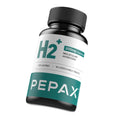
A well‑designed glycinate formula can provide targeted support without the digestive trade‑offs. PEPAX Magnesium Glycinate with Vitamin C & D3 delivers 200 mg of elemental magnesium as glycinate per serving, plus 1000 IU vitamin D3 and 80 mg vitamin C. Since magnesium is required for vitamin D metabolism, pairing them in a single product supports both immune and bone health — a synergy particularly relevant for individuals correcting long‑standing deficiency.
Who Benefits Most from Treating Magnesium Deficiency?
Certain populations face disproportionately high magnesium demand or loss, making them prime candidates for targeted supplementation. Older adults are especially vulnerable because ageing reduces intestinal absorption, increases urinary excretion, and frequently coincides with medication use (e.g., proton pump inhibitors, diuretics) that deplete magnesium. The Abbasi et al. (2012) trial specifically recruited elderly participants and saw marked sleep improvements, while the DiNicolantonio et al. (2018) review flagged older adults as a group in whom subclinical deficiency likely accelerates cardiovascular decline. For a detailed examination of age‑related requirements, read our article on magnesium and aging over 50.
Individuals managing depression also appear to derive significant benefit. Tarleton et al. (2017) demonstrated that magnesium supplementation produced clinically meaningful reductions in depression scores over just six weeks, with effect sizes comparable to some first‑line treatments. Because the mechanism involves regulation of the stress response and neurotransmitter synthesis, those with elevated anxiety — systematically reviewed by Boyle et al. (2017) — stand to gain as well. Linkage to inflammation further strengthens the case: magnesium’s deficiency tends to increase systemic inflammation, and mounting evidence, discussed in our piece on magnesium and inflammation, shows that low magnesium intake correlates with elevated CRP levels.
Anyone with cardiovascular risk factors — borderline hypertension, arrhythmia, or a family history of heart disease — should pay close attention to their magnesium status. The DiNicolantonio et al. (2018) review underscored that even mild deficiency promotes vascular calcification, endothelial dysfunction, and heightened oxidative stress, all of which fuel disease progression.
Practical Takeaways for Addressing Magnesium Deficiency
- Request an RBC magnesium test. Clinicians rarely order it, but red blood cell magnesium reflects tissue stores far better than serum magnesium. Use it to guide your supplementation strategy.
- Don’t rely on diet alone. While leafy greens, nuts, seeds, and legumes are excellent sources, modern farming practices have substantially reduced the magnesium content of many foods. Our guide on magnesium‑rich foods and soil depletion explains the scope of the problem.
- Choose a highly absorbable form. Magnesium glycinate offers excellent bioavailability and avoids the diarrheal side effect of oxide or high‑dose citrate, making it suitable for long‑term deficiency correction.
- Target 300–400 mg of elemental magnesium daily. Split the dose (e.g., morning and evening) to improve tolerance and maintain steady intracellular levels.
- Pair with vitamin D3. Magnesium is a necessary cofactor for the enzymes that convert vitamin D into its active form. Supplementing both together may optimize bone health and immune function.
- Track symptoms, not just numbers. Improvements in sleep quality, muscle cramping, and mood are often the first indicators that tissue magnesium levels are being restored.
Bottom Line on Magnesium Deficiency
The evidence for clinically meaningful benefits from correcting magnesium deficiency is strongest in sleep, anxiety, depression, and cardiovascular risk reduction — though most trials to date are modest in size. Because standard blood tests miss the vast majority of intracellular deficits, an individual can be symptomatic for years while appearing “normal.” Prioritizing a well‑absorbed form of magnesium alongside realistic dietary changes offers a safe, low‑cost strategy that may improve multiple aspects of health, especially for older adults and those with stress‑related conditions.
References
- Abbasi B, et al. "The effect of magnesium supplementation on primary insomnia in elderly: A double-blind placebo-controlled clinical trial." Journal of Research in Medical Sciences. 2012;17(12):1161–1169. [Source]
- Boyle NB, et al. "The Effects of Magnesium Supplementation on Subjective Anxiety and Stress — A Systematic Review." Nutrients. 2017;9(5):429. [Source]
- Gröber U, et al. "Magnesium in Prevention and Therapy." Nutrients. 2015;7(9):8199–8226. [Source]
- DiNicolantonio JJ, et al. "Subclinical magnesium deficiency: a principal driver of cardiovascular disease and a public health crisis." Open Heart. 2018;5(1):e000668. [Source]
- Tarleton EK, et al. "Role of magnesium supplementation in the treatment of depression: A randomized clinical trial." PLOS ONE. 2017;12(6):e0180067. [Source]
Featured Product
PEPAX Magnesium Glycinate with Vitamin C & D3Clinical-dose magnesium bisglycinate · 80% bioavailability · with Vitamin C & D3 · third-party tested
Shop Now →