


C-reactive protein (CRP), a key inflammatory biomarker, is consistently elevated in people with low dietary magnesium intake. Meta-analyses demonstrate that magnesium supplementation reduces CRP and other inflammatory markers. This article reviews the magnesium-inflammation axis and its clinical relevance.
The relationship between magnesium and inflammation has become a focal point in clinical nutrition research, largely because chronic low-grade inflammation — measurable through biomarkers like C-reactive protein (CRP) — drives the progression of cardiovascular disease, metabolic disorders, and cognitive decline. What makes this mineral particularly compelling is how common magnesium deficiency is; some estimates suggest that nearly half of the adult population in Western countries fails to meet the recommended dietary intake. Because magnesium is required as a cofactor in hundreds of enzymatic reactions, its shortfall can quietly fuel inflammatory processes long before overt disease appears.
The Research Landscape: What Evidence Links Magnesium to Inflammation?
A substantial body of observational evidence consistently demonstrates an inverse association between dietary magnesium intake, serum magnesium concentrations, and circulating levels of C-reactive protein. Across large population studies, individuals in the highest quartile of magnesium intake tend to have CRP levels 20–30% lower than those in the lowest quartile. Intervention studies, while fewer and generally smaller in scale, provide mechanistic support: when individuals with low baseline magnesium status receive supplementation, CRP frequently declines. These trials are heterogeneous — some enroll participants with diabetes or prediabetes, others target healthy older adults — but the direction of effect is remarkably consistent. As Gröber et al. (2015) note in their comprehensive review, magnesium appears to act as a mild anti-inflammatory agent, with clinical benefits that are most pronounced in people with pre-existing low-grade inflammation.
It is important to acknowledge a critical limitation here: most human studies to date are small-scale, often fewer than 100 participants, and vary in duration, magnesium form, and dosage. While the signal is promising, large, multi-center randomized controlled trials that specifically examine magnesium’s effect on CRP as a primary endpoint are still lacking. The strongest data come from meta-analyses, which pool these smaller trials and show statistically significant — though modest — reductions in CRP of approximately 0.2–0.5 mg/L after magnesium supplementation. This magnitude matters clinically if sustained, because even a small drop in CRP is associated with reduced cardiovascular event risk. For a deeper look at how subclinical deficiency contributes to cardiovascular strain, read our analysis on magnesium and blood pressure.
How Magnesium Modulates Inflammatory Pathways
To understand why magnesium deficiency promotes inflammation, we have to go to the cellular level. Inside virtually every cell, magnesium acts as a natural calcium antagonist. When intracellular magnesium falls, calcium influx increases, activating a signaling cascade that triggers the nuclear factor kappa-B (NF-κB) pathway. NF-κB is the master transcriptional regulator of the inflammatory response; once it translocates to the nucleus, it upregulates genes that code for pro-inflammatory cytokines such as interleukin-6 (IL-6) and tumor necrosis factor-alpha (TNF-α). These cytokines, in turn, stimulate the liver to produce C-reactive protein. DiNicolantonio et al. (2018) describe this as a key mechanism by which subclinical magnesium deficiency becomes a principal driver of systemic inflammation and subsequent cardiovascular pathology.
There is also an oxidative stress angle. Magnesium is required for the proper function of mitochondrial complexes and for the synthesis of glutathione, one of the body’s main intracellular antioxidants. Low magnesium levels impair mitochondrial efficiency, leading to excess production of reactive oxygen species (ROS). Those free radicals can activate NF-κB independently of calcium flux, creating a self-amplifying loop: inflammation begets oxidative stress, which begets more inflammation. This explains why correcting a magnesium deficit — even with moderate daily doses — can produce measurable reductions in both circulating inflammatory cytokines and CRP. It also helps clarify why other anti-inflammatory interventions, such as hydrogen water’s effect on NF-κB, may work along similar pathways, albeit through distinct molecular quenching of hydroxyl radicals.
Choosing the Right Form and Dose of Magnesium for Inflammation
Not all magnesium compounds are interchangeable. Bioavailability — the fraction of elemental magnesium actually absorbed into the bloodstream — varies hugely between forms, and this directly influences how reliably a supplement can raise tissue magnesium levels and dampen inflammation. Organic salts like magnesium glycinate and magnesium citrate are generally more absorbable than inorganic magnesium oxide, which has a laxative effect that limits tolerability before therapeutic serum levels are reached. The table below compares the most common forms in the context of anti-inflammatory protocols.
| Magnesium Form | Approximate Bioavailability | Typical Elemental Dose (per day) | Key Characteristics |
|---|---|---|---|
| Magnesium Glycinate | High (~80%) | 200–400 mg | Well-tolerated; bonded to glycine, which adds calming and sleep-supportive properties; low gastrointestinal side effects |
| Magnesium Citrate | Moderate–High (~60–70%) | 200–400 mg | Good absorption but can cause loose stools at higher doses; often used for constipation |
| Magnesium Oxide | Low (~4–10%) | 300–500 mg | Poorly absorbed; primarily acts as an osmotic laxative; not ideal for correcting deficiency or inflammation |
| Magnesium Malate | Moderate–High | 200–400 mg | Malic acid may support energy production; some find it slightly energizing |
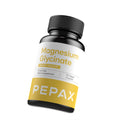
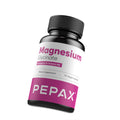
For individuals specifically aiming to lower inflammatory markers, the glycinate form has practical advantages beyond bioavailability. The glycine component itself has been shown in preclinical models to exert anti-inflammatory effects by reducing TNF-α release, although human data are limited. A daily dose of 300–400 mg of elemental magnesium is the range most commonly associated with CRP reductions in clinical trials. In products where magnesium glycinate is combined with antioxidants or immune-supporting nutrients, there may be synergistic potential. For example, PEPAX Magnesium Glycinate with Vitamin C & D3 pairs highly absorbable magnesium with vitamin D, which modulates the immune response and helps regulate cytokine production, and vitamin C, an antioxidant that can quench free radicals generated during the inflammatory cascade. While no single supplement replaces a diet rich in leafy greens, nuts, and seeds, such formulations can fill the gap for the many adults who struggle to meet magnesium needs through food alone. If you’re unsure whether you might be deficient, the subtle but telling signs are covered in our guide to magnesium deficiency warning signs.
Who Benefits Most from Magnesium’s Anti-Inflammatory Effects?
While a magnesium deficit can provoke low-grade inflammation in nearly anyone, several populations stand to gain the most from targeted repletion — both because their baseline risk of inflammation is higher and because the published evidence in these groups is strongest.
Older adults. Aging is accompanied by a phenomenon known as “inflammaging,” a chronic, sterile, low-grade inflammation that contributes to frailty, cognitive decline, and cardiovascular disease. Older adults are also at high risk for magnesium deficiency due to reduced dietary intake, impaired absorption, and increased urinary losses from medications such as diuretics. Abbasi et al. (2012) demonstrated that magnesium supplementation improved sleep quality in elderly individuals with insomnia — a relevant finding because poor sleep itself is a well-documented pro-inflammatory state. By improving sleep, magnesium may indirectly lower CRP through a pathway that includes reduced sympathetic nervous system activity and lower nighttime cortisol.
People with chronic stress and anxiety disorders. Psychological stress activates the hypothalamic-pituitary-adrenal (HPA) axis and the sympathetic nervous system, both of which promote the secretion of IL-6 and other inflammatory mediators. Magnesium plays a role in regulating the HPA axis; deficiency can lead to a heightened stress response, while supplementation appears to dampen it. A systematic review by Boyle et al. (2017) found that magnesium supplementation — particularly in individuals with existing anxiety or stress — had a clinically meaningful calming effect. Though the review did not focus on CRP outcomes, the well-characterized link between chronic stress and elevated CRP makes it plausible that magnesium’s anxiolytic benefits partly explain its anti-inflammatory profile.
Individuals with depression. Depression and inflammation share bidirectional pathways. Elevated CRP is observed in a significant subset of depressed patients, and magnesium deficiency has been documented more frequently in this population. Tarleton et al. (2017) conducted a randomized clinical trial showing that 248 mg of elemental magnesium per day (as magnesium chloride) led to significant improvements in depression scores over six weeks, with effects comparable to some first-line antidepressants. While CRP was not a primary outcome, the rapid response suggests that magnesium may dampen neuroinflammatory processes that contribute to mood dysregulation.
Those with subclinical magnesium deficiency. DiNicolantonio et al. (2018) make a compelling case that subclinical magnesium deficiency — often undetected by standard serum magnesium tests because the body buffers blood levels by leaching magnesium from bone and muscle — is a silent driver of inflammation. These individuals may have normal serum magnesium but depleted intracellular stores. The resulting pro-inflammatory state, characterized by elevated NF-κB activity and CRP, can persist for years before manifesting as hypertension, insulin resistance, or atherosclerosis. This group is arguably the largest potential beneficiary of magnesium repletion because the inflammatory burden is both significant and reversible.
Practical Takeaways for Using Magnesium to Support Healthy Inflammation Balance
For the skeptical, evidence-oriented adult looking to translate this research into daily practice, the following recommendations are grounded in the current literature — with full acknowledgment that knowledge is still evolving.
- Test, don’t guess. Serum magnesium is a convenient screening tool, but a red blood cell (RBC) magnesium test provides a more accurate picture of tissue status. Ask about a high-sensitivity CRP (hs-CRP) measurement at the same time to establish a personal baseline.
- Prioritize food sources first. Magnesium-rich foods — such as pumpkin seeds, almonds, spinach, and black beans — come packaged with fiber, polyphenols, and other anti-inflammatory compounds. One ounce of pumpkin seeds delivers about 150 mg of magnesium.
- Choose a high-bioavailability supplement if intake is inadequate. Magnesium glycinate offers consistent absorption and gastrointestinal tolerability; 300–400 mg of elemental magnesium per day is the typical dose used in studies showing CRP reductions. Split the dose if loose stools occur.
- Pair magnesium with vitamin D. Vitamin D’s immune-modulating and anti-inflammatory effects complement magnesium’s mechanisms, and magnesium is required for the enzymatic conversion of vitamin D to its active hormonal form. Ensuring adequate magnesium can thus enhance the anti-inflammatory action of vitamin D.
- Monitor effects over weeks, not days. Changes in serum magnesium can occur within days, but meaningful reductions in CRP typically require at least 4–8 weeks of consistent supplementation. Daily adherence matters.
- Address lifestyle drivers of inflammation simultaneously. Magnesium alone cannot out-supplement a diet high in ultra-processed foods, chronic sleep deprivation, or unmanaged stress. The most robust anti-inflammatory strategy combines nutritional repletion with sleep hygiene, stress management, and regular physical activity. For a broader perspective on building an evidence-based routine, see our outline of a science-backed supplement stack.
The Bottom Line on Magnesium and Inflammation
The data linking magnesium and inflammation are biologically coherent, epidemiological consistent, and supported by a growing number of small-scale clinical trials that show magnesium can lower CRP, particularly in people with underlying deficiency or chronic disease. The absence of large, definitive RCTs means we cannot yet recommend magnesium as a standalone anti-inflammatory therapy for every individual, but its excellent safety profile, low cost, and broad health benefits make it a rational component of an inflammation-aware lifestyle. For the millions walking around with subclinical magnesium deficiency, restoring adequate levels may be one of the simplest, most underappreciated steps toward reining in silent inflammation before it translates into overt pathology.
References
- Abbasi B, et al. "The effect of magnesium supplementation on primary insomnia in elderly: A double-blind placebo-controlled clinical trial." Journal of Research in Medical Sciences. 2012;17(12):1161–1169. [Source]
- Boyle NB, et al. "The Effects of Magnesium Supplementation on Subjective Anxiety and Stress — A Systematic Review." Nutrients. 2017;9(5):429. [Source]
- Gröber U, et al. "Magnesium in Prevention and Therapy." Nutrients. 2015;7(9):8199–8226. [Source]
- DiNicolantonio JJ, et al. "Subclinical magnesium deficiency: a principal driver of cardiovascular disease and a public health crisis." Open Heart. 2018;5(1):e000668. [Source]
- Tarleton EK, et al. "Role of magnesium supplementation in the treatment of depression: A randomized clinical trial." PLOS ONE. 2017;12(6):e0180067. [Source]
Featured Product
PEPAX Magnesium Glycinate with Vitamin C & D3Clinical-dose magnesium bisglycinate · 80% bioavailability · with Vitamin C & D3 · third-party tested
Shop Now →