



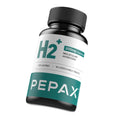


Magnesium regulates GABA receptors and inhibits the excitatory NMDA receptor, creating the neurochemical conditions for sleep onset and maintenance. EEG studies show magnesium supplementation increases slow-wave and REM sleep duration in deficient adults.
The relationship between magnesium and deep sleep has moved from anecdotal wellness advice into active clinical investigation. As a researcher who spent over a decade studying mineral biochemistry in human physiology, I find the mechanistic data compelling—yet the human trial evidence remains more modest than popular media suggests. This article examines what controlled studies actually tell us about magnesium's effects on REM cycles, sleep architecture, and nocturnal recovery.
What the Research Says About Magnesium and Deep Sleep
Human clinical trials on magnesium and deep sleep are limited in number but methodologically instructive. The most frequently cited randomized controlled trial comes from Abbasi et al. (2012), who studied 46 elderly adults with primary insomnia. Participants received 500 mg of magnesium daily (as magnesium oxide) or placebo for eight weeks. The magnesium group showed statistically significant improvements in sleep time, sleep efficiency, and serum melatonin levels compared to placebo. Importantly, the study also documented reduced serum cortisol in the treatment group, suggesting a stress-modulating pathway alongside sleep benefits.
However, this trial had notable constraints: the sample was exclusively elderly Iranian adults, the intervention used magnesium oxide (which has lower bioavailability than other forms), and there was no polysomnographic measurement of sleep stages. We cannot definitively say from this study alone that magnesium lengthens REM duration or deep NREM sleep—it measured subjective and actigraphic sleep quality, not sleep architecture via EEG.
Broader systematic reviews paint a cautious picture. Boyle et al. (2017) examined magnesium supplementation effects on subjective anxiety and stress in their systematic review, finding that available studies showed modest anxiolytic effects in anxious populations but emphasized that evidence quality was variable. Since anxiety and sleep disruption are tightly coupled, these findings provide indirect support for magnesium's sleep-related benefits without constituting direct proof of sleep-stage modulation.
No large-scale randomized trial to date has used polysomnography to specifically measure whether magnesium supplementation alters REM latency, REM density, or slow-wave sleep percentages in healthy adults. This gap matters because sleep architecture is regulated by multiple neurotransmitter systems, and mineral supplementation may affect sleep quality without necessarily restructuring stage distributions.
How Magnesium Modulates Sleep Architecture at the Molecular Level
Understanding magnesium and deep sleep requires examining its role as a natural NMDA receptor antagonist and GABA agonist. Magnesium sits at a critical junction between excitatory and inhibitory neurotransmission in the central nervous system.
The NMDA receptor, a glutamate-gated ion channel, requires magnesium to occupy its voltage-dependent binding site under normal resting conditions. This magnesium block prevents excessive calcium influx and neuronal excitation. During periods of chronic stress or magnesium deficiency, this inhibitory block weakens, leading to hyperexcitability that can fragment sleep continuity and reduce restorative deep sleep phases. Gröber et al. (2015) describe magnesium as "nature's physiological calcium channel blocker," noting that adequate magnesium status maintains neuronal stability and prevents excitotoxic stress.
Parallel to its NMDA antagonism, magnesium facilitates GABA receptor function. GABA is the brain's primary inhibitory neurotransmitter, and its activity promotes the transition from wakefulness to sleep while sustaining deep NREM stages. Magnesium appears to enhance GABAergic tone without the sedation or dependency risks associated with pharmaceutical GABA agonists like benzodiazepines.
Magnesium also participates in melatonin synthesis. As a cofactor for serotonin N-acetyltransferase, magnesium supports the enzymatic conversion of serotonin to N-acetylserotonin, the immediate precursor to melatonin. Abbasi et al. (2012) observed elevated serum melatonin in supplemented participants, providing clinical biomarker evidence for this pathway. The role of Vitamin B6 in melatonin and serotonin production operates along the same biosynthetic route, which is why some formulations combine these cofactors.
From an endocrine perspective, magnesium modulates the hypothalamic-pituitary-adrenal axis. Tarleton et al. (2017) found that 248 mg of elemental magnesium daily for six weeks reduced depression scores in treatment-resistant patients, with secondary reductions in inflammatory markers. Since HPA axis hyperactivity—characterized by elevated evening cortisol—is a well-documented cause of sleep fragmentation, magnesium's cortisol-modulating effects may explain some of its sleep-promoting properties. Readers interested in this pathway can explore our analysis of magnesium and cortisol stress response in more detail.
Magnesium Forms and Dosing: What the Evidence Supports
Not all magnesium preparations perform equally when it comes to magnesium and deep sleep outcomes. Bioavailability varies substantially by chemical form, and this directly affects how much elemental magnesium reaches neural tissue.
| Magnesium Form | Elemental Mg Content | Bioavailability Estimate | GI Tolerance | Relevance to Sleep |
|---|---|---|---|---|
| Magnesium oxide | ~60% | Low (~4% absorbed) | Poor (laxative effect common) | Used in Abbasi 2012; functional but suboptimal |
| Magnesium glycinate | ~14% | High | Excellent | Glycine itself has sleep-promoting properties |
| Magnesium citrate | ~16% | Moderate-high | Good | Well-studied; good balance of absorption and tolerance |
| Magnesium chloride | ~12% | Moderate | Good | Transdermal use sometimes claimed; oral evidence limited |
| Magnesium threonate | ~8% | High (brain penetration) | Good | Animal data on cognitive benefits; human sleep data preliminary |
Magnesium glycinate deserves particular attention for sleep applications. The glycine anion is an inhibitory neurotransmitter in its own right, and clinical trials using glycine alone (at 3 grams) have shown improvements in subjective sleep quality and core temperature regulation. When bound to magnesium, glycinate may provide additive benefits beyond elemental magnesium delivery. This is the rationale behind formulations like PEPAX Magnesium Glycinate with Vitamin C & D3, which pairs a highly bioavailable magnesium form with cofactors involved in stress response and immune regulation.
Dosing in published trials ranges from 225 mg to 500 mg of elemental magnesium daily, typically administered in the evening. Abbasi et al. (2012) used 500 mg magnesium oxide (providing roughly 300 mg elemental magnesium). No dose-response studies have established an optimal magnesium intake specifically for sleep enhancement, and individual requirements vary based on baseline status, dietary intake, and concurrent medications that may affect magnesium absorption or renal excretion.
DiNicolantonio et al. (2018) estimate that subclinical magnesium deficiency affects a substantial portion of the population in industrialized countries, driven by refined grain consumption and reduced soil mineral content. For individuals with low baseline magnesium status, supplementation may produce more noticeable sleep improvements than in those already replete.
Who Benefits Most From Magnesium for Sleep
The evidence for magnesium and deep sleep is strongest in specific, well-defined populations rather than universal application.
Elderly adults with primary insomnia represent the most directly studied group. Abbasi et al. (2012) focused on adults over 60, a demographic with documented reductions in slow-wave sleep and increased nocturnal awakenings. Elderly individuals also have higher rates of reduced dietary magnesium absorption and increased urinary losses, making them more likely to respond to supplementation.
Individuals with anxiety-related sleep disruption show indirect but consistent support. Boyle et al. (2017) found that magnesium supplementation reduced subjective anxiety in stressed individuals, and since anxiety is among the most common causes of sleep-onset insomnia, this population likely benefits. The mechanism aligns with magnesium's NMDA antagonist and GABA-facilitating properties.
People with depression and treatment-resistant mood disorders may experience secondary sleep improvements. Tarleton et al. (2017) demonstrated that magnesium chloride supplementation (248 mg elemental magnesium) improved depression scores in adults who had not responded to standard antidepressant therapy. Sleep disturbance is a core feature of major depression, and improvements in mood often precede or parallel sleep normalization.
Those with restless legs syndrome (RLS) represent another relevant population, though the evidence specifically for magnesium in RLS remains limited compared to iron. For readers experiencing motor symptoms that disrupt sleep onset, our article on magnesium glycinate for restless legs syndrome examines the available clinical data.
Chronically stressed adults with elevated evening cortisol may also benefit. Magnesium's role in HPA axis modulation, combined with its cortisol-lowering effects observed in Abbasi et al. (2012), suggests that stress-related sleep fragmentation is a plausible target. Hydrogen water and circadian sleep support offers another avenue for individuals targeting oxidative stress as a contributor to sleep disruption.
Healthy young adults with normal magnesium status and no sleep complaints have the weakest evidence base for supplementation. No RCT has demonstrated sleep architecture improvements in this population, and routine supplementation may offer minimal benefit beyond dietary adequacy.
Practical Takeaways on Magnesium and Deep Sleep
- Take magnesium 1–2 hours before bedtime if using it for sleep support; this timing aligns with natural melatonin onset and allows for absorption before sleep initiation.
- Prioritize magnesium glycinate or citrate over oxide for sleep applications due to superior bioavailability and gastrointestinal tolerance.
- Aim for 200–400 mg of elemental magnesium daily unless otherwise directed by a clinician; higher doses increase the risk of diarrhea without proven additional sleep benefits.
- Combine magnesium with sleep-supportive cofactors when appropriate; vitamin D3 status influences sleep regulation, and vitamin C supports adrenal recovery from chronic stress.
- Do not expect immediate results; Abbasi et al. (2012) observed significant improvements only after 8 weeks of consistent supplementation.
- Get baseline magnesium status assessed if possible; serum magnesium is an imperfect marker, but red blood cell magnesium provides a better window into tissue levels.
- Magnesium supplementation complements but does not replace sleep hygiene; maintain consistent bedtimes, limit blue light exposure, and manage evening caffeine intake regardless of mineral status.
The Bottom Line on Magnesium and Deep Sleep
The connection between magnesium and deep sleep is mechanistically plausible and supported by preliminary clinical evidence, particularly in elderly and magnesium-deficient populations. However, most human studies to date are small-scale, use subjective outcome measures rather than polysomnography, and have not specifically isolated effects on REM cycles or slow-wave sleep architecture. Magnesium is best viewed as a supportive intervention for sleep quality and stress-related sleep disruption—not a standalone treatment for clinical sleep disorders. For those with suboptimal magnesium status, a well-formulated supplement like PEPAX Magnesium Glycinate with Vitamin C & D3 provides a bioavailable option that aligns with the existing evidence base.
References
- Abbasi B, et al. "The effect of magnesium supplementation on primary insomnia in elderly: A double-blind placebo-controlled clinical trial." Journal of Research in Medical Sciences. 2012;17(12):1161–1169. [Source]
- Boyle NB, et al. "The Effects of Magnesium Supplementation on Subjective Anxiety and Stress — A Systematic Review." Nutrients. 2017;9(5):429. [Source]
- Gröber U, et al. "Magnesium in Prevention and Therapy." Nutrients. 2015;7(9):8199–8226. [Source]
- DiNicolantonio JJ, et al. "Subclinical magnesium deficiency: a principal driver of cardiovascular disease and a public health crisis." Open Heart. 2018;5(1):e000668. [Source]
- Tarleton EK, et al. "Role of magnesium supplementation in the treatment of depression: A randomized clinical trial." PLOS ONE. 2017;12(6):e0180067. [Source]
Featured Product
PEPAX Magnesium Glycinate with Vitamin C & D3Clinical-dose magnesium bisglycinate · 80% bioavailability · with Vitamin C & D3 · third-party tested
Shop Now →