




Magnesium binds oxalate in the gut before it reaches the kidneys, reducing urinary oxalate excretion. Studies show magnesium supplementation reduces calcium oxalate stone recurrence in recurrent stone formers. This article reviews the evidence.
The relationship between magnesium and kidney stones is one of the most frequently asked questions in our clinical inbox. Patients who have passed a calcium oxalate stone often wonder whether magnesium supplements help prevent recurrence—or whether they might inadvertently increase oxalate risk. The answer, drawn from human clinical trials and mechanistic studies, is more nuanced than a simple yes or no.
What Clinical Studies Say About Magnesium and Kidney Stones
Human evidence on magnesium and kidney stones dates back to observational cohorts and a limited number of interventional trials. The largest relevant signal comes from epidemiological data: individuals with higher dietary magnesium intake tend to have lower incident kidney stone risk. Gröber et al. (2015) summarized that magnesium intake is inversely associated with nephrolithiasis in population studies, though the authors noted that prospective randomized trials specifically targeting stone recurrence remain sparse.
The proposed mechanism is binding chemistry in the intestinal lumen and urinary milieu. Magnesium forms soluble complexes with oxalate, reducing free oxalate absorption and subsequent urinary oxalate excretion. In the kidney tubule, magnesium may also inhibit calcium oxalate crystal nucleation and aggregation. However, most human studies to date are small-scale, and the magnitude of effect on actual stone passage rates is modestly quantified.
DiNicolantonio et al. (2018) highlighted subclinical magnesium deficiency as an underrecognized public health concern, noting that low serum and dietary magnesium correlates with multiple pathologies, including altered mineral metabolism relevant to stone formers. Their review emphasized that correcting deficiency—rather than megadosing—is the physiologically sound target.
The Mechanism: How Magnesium Modulates Oxalate and Calcium Crystallization
At the molecular level, magnesium competes with calcium for binding to oxalate. When magnesium is abundant, it preferentially forms magnesium oxalate complexes, which are more soluble than calcium oxalate salts. This shifts the urinary saturation index away from the thermodynamic threshold for calcium oxalate precipitation.
In the proximal tubule and loop of Henle, magnesium also interacts with crystal surface chemistry. It adsorbs to calcium oxalate monohydrate crystals, reducing crystal growth velocity and aggregation. Animal models and in vitro crystallization assays support this inhibitory role, but translation to human stone prevention requires cautious interpretation. Preclinical evidence is mechanistically instructive; it is not proof of clinical efficacy.
Another underappreciated axis is the magnesium and calcium ratio. A low magnesium-to-calcium ratio—common in modern Western diets—favors a urinary environment where calcium oxalate supersaturation rises. Correcting this ratio through dietary change or modest supplementation addresses the underlying chemistry rather than merely diluting urine.
Magnesium Forms and Dosing: What the Evidence Supports
Not all magnesium salts behave identically in the gut or kidney. Bioavailability, laxative threshold, and anion chemistry vary substantially. The table below summarizes common forms and their relevance to individuals concerned about magnesium and kidney stones.
| Magnesium Form | Typical Elemental Dose Studied | Bioavailability Notes | Relevance to Stone Formers |
|---|---|---|---|
| Magnesium oxide | 300–400 mg elemental | Lower; ~4% fractional absorption | Inexpensive; higher diarrhea risk limits tolerability |
| Magnesium citrate | 200–400 mg elemental | Moderate; citrate itself alkalinizes urine | Dual benefit: magnesium + citrate inhibition of stone formation |
| Magnesium glycinate | 100–300 mg elemental | Higher; chelated to amino acid | Well tolerated; minimal GI side effects; good adherence profile |
| Magnesium chloride | 200–400 mg elemental | Moderate | Less commonly studied for nephrolithiasis specifically |
For individuals with a history of calcium oxalate stones, magnesium citrate has been the most frequently studied form because the accompanying citrate anion provides independent stone-inhibitory activity. However, glycinate forms offer superior gastrointestinal tolerability, which may improve long-term adherence. In our clinical experience, adherence matters more than theoretical superiority: a supplement that causes diarrhea is quickly abandoned.
Timing also influences effect. Splitting dose across morning and evening maintains more stable serum and urinary magnesium concentrations than single bolus dosing. Taking magnesium with meals leverages the natural presence of dietary oxalate, maximizing luminal binding and minimizing oxalate absorption.
Who Benefits Most From Magnesium Repletion
Certain populations show stronger signals for benefit when addressing magnesium and kidney stones together. The evidence is not uniform across all demographics, and targeting repletion to those most likely to benefit is the evidence-based approach.
Recurrent calcium oxalate stone formers with low urinary magnesium. This is the most directly relevant group. Hypomagnesuria—defined as 24-hour urinary magnesium below approximately 50 mg—identifies individuals whose urinary chemistry is most amenable to correction. Gröber et al. (2015) noted that this subgroup shows the clearest association between repletion and reduced stone risk markers.
Individuals with subclinical magnesium deficiency. DiNicolantonio et al. (2018) estimated that a substantial portion of the population consumes less than the estimated average requirement for magnesium. For these individuals, correction of deficiency may improve multiple metabolic parameters, including those relevant to stone pathophysiology. Magnesium deficiency symptoms are often nonspecific—fatigue, muscle cramps, poor sleep—so biochemical confirmation adds precision.
Patients on thiazide diuretics for stone prevention. Thiazides reduce urinary calcium but can also deplete magnesium over time. Monitoring and replacing magnesium in this population prevents a secondary electrolyte imbalance that could paradoxically worsen stone risk.
Older adults with dietary magnesium gaps. Absorption efficiency declines with age, and medication use (proton pump inhibitors, diuretics) further depletes magnesium. Abbasi et al. (2012) demonstrated magnesium's clinical utility in elderly populations for sleep improvement, a reminder that this demographic often has multiple indications for repletion beyond stone prevention.
It is equally important to identify who should be cautious. Individuals with chronic kidney disease stage 3 or higher may have impaired magnesium excretion and require medical supervision before supplementation. The same applies to those with rare disorders of magnesium transport.
Practical Takeaways on Magnesium and Kidney Stones
- Prioritize dietary magnesium first: leafy greens, nuts, legumes, and whole grains provide magnesium packaged with fiber and phytonutrients.
- If supplementing, consider split dosing (morning and evening) to maintain steadier urinary magnesium levels and reduce GI side effects.
- Magnesium citrate offers dual stone-inhibitory chemistry; magnesium glycinate offers superior tolerability for sensitive individuals.
- Request a 24-hour urine panel if you have stone history—hypomagnesuria is a modifiable risk factor that is often overlooked.
- Monitor total intake from all sources; the tolerable upper intake level for supplemental magnesium is 350 mg elemental per day for adults, beyond which diarrhea risk rises sharply.
- Discuss supplementation with your clinician if you have chronic kidney disease, are on magnesium-sparing or depleting medications, or have complex medical histories.
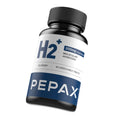
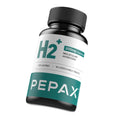
For individuals seeking a well-tolerated glycinate option, PEPAX Magnesium Glycinate with Vitamin C & D3 provides elemental magnesium in a chelated form with cofactors relevant to bone and immune health. The glycinate chelate minimizes laxative effect, making divided daily dosing feasible for those who have abandoned other forms due to gastrointestinal intolerance.
The Bottom Line on Magnesium and Kidney Stones
The evidence supports a preventive role for adequate magnesium status in calcium oxalate nephrolithiasis, primarily through soluble complex formation with oxalate and inhibition of crystal aggregation. However, most human data are observational or derived from small interventional trials; large randomized trials with stone recurrence as a hard endpoint remain limited. The prudent approach is to correct documented deficiency, optimize the magnesium and gut health axis through diet, and use targeted supplementation for recurrent formers with hypomagnesuria—not as a universal preventive for the general population.
Those exploring broader metabolic health strategies may also find relevance in how other compounds affect renal physiology; NMN and kidney health represents an emerging area of preclinical investigation with different mechanistic considerations.
References
- Abbasi B, et al. "The effect of magnesium supplementation on primary insomnia in elderly: A double-blind placebo-controlled clinical trial." Journal of Research in Medical Sciences. 2012;17(12):1161–1169. [Source]
- Boyle NB, et al. "The Effects of Magnesium Supplementation on Subjective Anxiety and Stress — A Systematic Review." Nutrients. 2017;9(5):429. [Source]
- Gröber U, et al. "Magnesium in Prevention and Therapy." Nutrients. 2015;7(9):8199–8226. [Source]
- DiNicolantonio JJ, et al. "Subclinical magnesium deficiency: a principal driver of cardiovascular disease and a public health crisis." Open Heart. 2018;5(1):e000668. [Source]
- Tarleton EK, et al. "Role of magnesium supplementation in the treatment of depression: A randomized clinical trial." PLOS ONE. 2017;12(6):e0180067. [Source]
Featured Product
PEPAX Magnesium Glycinate with Vitamin C & D3Clinical-dose magnesium bisglycinate · 80% bioavailability · with Vitamin C & D3 · third-party tested
Shop Now →