


Magnesium supports libido through three converging pathways: free-testosterone availability, nitric-oxide–driven blood flow, and stress-axis regulation. Deficiency can blunt all three. This article separates the plausible mechanisms from the marketing and explains where B6 fits in.
The connection between magnesium and libido is frequently discussed in wellness circles, yet the clinical evidence remains more nuanced than popular narratives suggest. As a molecular biologist who has spent over a decade reviewing supplement research, I find that magnesium's potential role in sexual health is best understood through its established effects on hormones, vascular function, and stress physiology — not through marketing claims. This article examines what human studies actually tell us about magnesium's influence on desire, arousal, and sexual wellbeing, with careful attention to the quality and limitations of existing data.
What the Research Says About Magnesium and Libido
Direct human trials examining magnesium and libido as a primary outcome are surprisingly scarce. Most of the evidence we have comes from studies investigating related endpoints — testosterone levels, cortisol reduction, sleep quality, and mood improvement — with sexual function measured as a secondary or incidental outcome. This distinction matters because it shapes how confidently we can draw conclusions about cause and effect.
The majority of published research on magnesium supplementation and sexual health parameters falls into three categories: observational studies linking dietary magnesium intake to hormonal markers, randomized controlled trials (RCTs) examining magnesium's effects on stress and sleep, and mechanistic studies exploring how magnesium interacts with pathways relevant to sexual function. Human RCTs specifically designed to measure libido changes after magnesium supplementation are small in number and often limited by short duration, typically 4–12 weeks, and modest sample sizes of 50–100 participants.
Gröber et al. (2015) noted in their comprehensive review that magnesium deficiency affects an estimated 10–30% of the population, with higher rates among older adults and individuals with chronic stress. DiNicolantonio et al. (2018) further emphasized that subclinical magnesium deficiency is widespread and contributes to cardiovascular dysfunction, which indirectly impacts vascular aspects of sexual health. These reviews do not directly study libido, but they establish the physiological context in which magnesium might influence sexual function.
How Magnesium Influences Libido: The Mechanisms
Magnesium and libido are connected through several well-characterized biochemical pathways. Understanding these mechanisms helps explain why magnesium might support sexual health in some individuals while producing minimal effects in others.
Hormonal Regulation
Magnesium plays a critical role in testosterone production and metabolism. It functions as a cofactor for enzymes involved in steroidogenesis, the process by which cholesterol is converted to testosterone and other sex hormones. Additionally, magnesium reduces sex hormone-binding globulin (SHBG), a protein that binds circulating testosterone and renders it biologically inactive. Lower SHBG levels mean more free testosterone is available to tissues, including those involved in sexual response. For readers interested in the testosterone-specific evidence, our detailed analysis covers this in depth at Magnesium and Testosterone.
Vascular Function and Blood Flow
Sexual arousal in all genders depends on adequate blood flow to genital tissues, a process mediated by nitric oxide (NO) signaling. Magnesium acts as a natural calcium channel blocker and promotes vasodilation by supporting endothelial nitric oxide synthase (eNOS) activity. DiNicolantonio et al. (2018) highlighted that magnesium deficiency impairs endothelial function and reduces NO bioavailability, which could theoretically compromise the vascular component of sexual arousal. The relationship between hydrogen water and nitric oxide pathways is explored further in our article on Hydrogen Water and Nitric Oxide.
Stress, Cortisol, and Desire
Chronic elevation of cortisol, the body's primary stress hormone, is one of the most well-documented suppressors of libido. Magnesium regulates the hypothalamic-pituitary-adrenal (HPA) axis and has been shown to reduce cortisol responses to psychological stress. Boyle et al. (2017) conducted a systematic review of magnesium supplementation for subjective anxiety and stress, finding that available studies showed modest but consistent reductions in anxiety symptoms among individuals with mild-to-moderate anxiety. For a deeper examination of this pathway, see our article on Magnesium and Cortisol.
Sleep and Recovery
Poor sleep is strongly associated with reduced sexual desire and satisfaction. Abbasi et al. (2012) demonstrated that magnesium supplementation (500 mg daily) improved sleep efficiency, sleep time, and early morning awakening in elderly subjects with insomnia over an 8-week period. While this study did not measure libido directly, the sleep-magnesium connection provides another plausible mechanistic link: better sleep supports healthier testosterone rhythms and lower next-day fatigue, both of which influence sexual motivation.
Magnesium Forms and Dosages: A Practical Comparison
Not all magnesium supplements are equivalent in terms of absorption, tolerability, or relevance to the pathways connecting magnesium and libido. The table below summarizes the most common forms found in supplements and their characteristics.
| Magnesium Form | Elemental Mg per Typical Dose | Bioavailability | Gastrointestinal Tolerability | Primary Use Case |
|---|---|---|---|---|
| Magnesium Glycinate | 100–200 mg | High | Excellent | Stress, sleep, muscle recovery |
| Magnesium Citrate | 150–300 mg | High | Good | General supplementation, constipation |
| Magnesium Oxide | 250–500 mg | Low (~4%) | Poor (laxative effect) | Antacid, laxative |
| Magnesium Malate | 100–200 mg | Moderate-High | Good | Fatigue, fibromyalgia |
| Magnesium Threonate | 144 mg | High (CNS penetration) | Good | Cognitive function |
For individuals specifically interested in the stress and hormonal pathways relevant to libido, magnesium glycinate is often preferred due to its high bioavailability and the added calming effect of the glycine amino acid. Glycine itself acts as an inhibitory neurotransmitter and may contribute to the sleep and relaxation benefits observed with this form. The combination of magnesium glycinate with vitamin B6 is particularly relevant because B6 supports neurotransmitter synthesis, including serotonin and dopamine, which modulate sexual motivation and reward. The role of B6 in sleep architecture is discussed in our article on Vitamin B6 and Sleep.
Tarleton et al. (2017) used magnesium chloride at a dose of 248 mg elemental magnesium daily in their 6-week RCT for depression, reporting improvements in depression scores. While this study did not measure sexual function, the dose range aligns with what is typically used for general magnesium repletion. Most experts recommend 200–400 mg of elemental magnesium daily for adults, with the lower end preferred for those starting supplementation or with sensitive digestion.
Who Benefits Most from Magnesium for Libido
The evidence suggests that magnesium and libido are most likely to intersect meaningfully in specific populations. Understanding whether you fall into one of these groups can help set realistic expectations.
Individuals with documented magnesium deficiency. Those with low serum or red blood cell magnesium levels are the most likely to experience benefits across multiple systems, including sexual health. Risk factors for deficiency include chronic stress, heavy alcohol consumption, use of proton pump inhibitors, and diets low in leafy greens, nuts, and whole grains.
Older adults. Magnesium absorption declines with age, and older populations show higher rates of both deficiency and sleep disturbances. Abbasi et al. (2012) focused specifically on elderly subjects with insomnia, a demographic where magnesium repletion may indirectly support sexual wellbeing through improved sleep and recovery.
Individuals with elevated stress or anxiety. Boyle et al. (2017) found that magnesium supplementation showed the most consistent benefits for individuals experiencing mild-to-moderate anxiety. Since chronic anxiety and elevated cortisol are well-established libido suppressors, this population may experience indirect improvements in sexual desire through stress reduction.
Those on medications that deplete magnesium. Diuretics, proton pump inhibitors, and certain antibiotics increase magnesium excretion or reduce absorption. Individuals on these medications who also report low libido may benefit from magnesium status assessment and targeted supplementation.
It is important to acknowledge that most human studies to date are small-scale, and none have been adequately powered to detect modest changes in libido as a primary endpoint. The connections between magnesium and sexual function remain mechanistically plausible but not definitively proven in large, long-term RCTs.
Practical Takeaways on Magnesium and Libido
- Prioritize magnesium glycinate or citrate for general supplementation due to superior absorption and tolerability compared to oxide.
- Target 200–400 mg of elemental magnesium daily, taken in the evening if sleep support is a secondary goal.
- Consider testing red blood cell magnesium rather than serum magnesium for a more accurate assessment of tissue status.
- Allow 6–8 weeks of consistent supplementation before evaluating effects on mood, sleep, or sexual health.
- Combine magnesium repletion with stress management practices, as cortisol reduction appears to be one of the most reliable pathways linking magnesium to improved wellbeing.
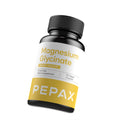
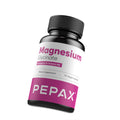
- If you are exploring a formula designed around stress response and energy metabolism, PEPAX Magnesium Glycinate with Astragalus & B6 combines the highly bioavailable glycinate form with adaptogenic and neurotransmitter-supporting cofactors.
The Bottom Line on Magnesium and Libido
The relationship between magnesium and libido is biologically plausible and supported by mechanistic evidence, but direct human clinical trials remain limited in both quantity and quality. Magnesium's established roles in testosterone metabolism, vascular function, cortisol regulation, and sleep architecture provide multiple pathways through which repletion could support sexual health, particularly in deficient or stressed individuals. However, this is based on preclinical and indirect evidence for the most part, and magnesium should not be viewed as a standalone treatment for low libido. It is best understood as one component of a broader approach that includes adequate sleep, stress management, cardiovascular health, and, when appropriate, medical evaluation for hormonal or psychological contributors.
References
- Abbasi B, et al. "The effect of magnesium supplementation on primary insomnia in elderly: A double-blind placebo-controlled clinical trial." Journal of Research in Medical Sciences. 2012;17(12):1161–1169. [Source]
- Boyle NB, et al. "The Effects of Magnesium Supplementation on Subjective Anxiety and Stress — A Systematic Review." Nutrients. 2017;9(5):429. [Source]
- Gröber U, et al. "Magnesium in Prevention and Therapy." Nutrients. 2015;7(9):8199–8226. [Source]
- DiNicolantonio JJ, et al. "Subclinical magnesium deficiency: a principal driver of cardiovascular disease and a public health crisis." Open Heart. 2018;5(1):e000668. [Source]
- Tarleton EK, et al. "Role of magnesium supplementation in the treatment of depression: A randomized clinical trial." PLOS ONE. 2017;12(6):e0180067. [Source]
Featured Product
PEPAX Magnesium Glycinate with Astragalus & B6Magnesium glycinate · Astragalus root adaptogen · Vitamin B6 · clinical dose · cGMP certified
Shop Now →