





Explore how magnesium supplementation may reduce nocturnal leg cramps and improve sleep quality. Clinical evidence on muscle relaxation and electrolyte balance at night.
Many adults who experience magnesium night cramps find themselves waking several times per week with sudden, painful calf or foot contractions that disrupt sleep architecture and next-day function. The relationship between magnesium status and nocturnal cramping is frequently discussed in clinical settings, yet the quality of evidence varies substantially by population and study design. This article examines what human trials actually show, how magnesium may influence cramp pathophysiology at the cellular level, and which individuals are most likely to benefit from targeted supplementation based on current data.
What the Research Says About Magnesium Night Cramps
Randomized controlled trials examining magnesium specifically for nocturnal leg cramps have produced mixed results, and the heterogeneity of these studies is important to understand before drawing conclusions. A Cochrane review of magnesium for leg cramps in pregnancy found insufficient evidence to support routine supplementation, while older adult populations have shown more promising signals in select trials. The challenge is that cramp etiology differs across populations—pregnancy-related cramps involve hormonal and mechanical factors beyond electrolyte status alone, whereas age-related nocturnal cramps may have a stronger metabolic component.
Gröber et al. (2015) noted that magnesium deficiency is common in older adults due to reduced intestinal absorption and increased renal excretion, creating a physiological rationale for why this population might respond differently. Abbasi et al. (2012) demonstrated that 500 mg magnesium supplementation improved sleep efficiency and reduced early morning awakening in elderly subjects with insomnia, though this trial measured sleep parameters rather than cramp frequency directly. The connection between improved sleep quality and reduced nocturnal muscle hyperexcitability remains an area of mechanistic interest rather than proven causation.
Most human studies to date are small-scale, typically enrolling 40–100 participants, with short intervention periods of 4–12 weeks. Effect sizes for cramp reduction, when reported, range from modest to moderate, and placebo responses are notably high in cramp trials. This means that while some individuals experience genuine relief, the average effect across populations is inconsistent and difficult to predict at the individual level.
How Magnesium Influences Muscle and Nerve Excitability
Magnesium is a physiological calcium antagonist that modulates neuromuscular excitability through several well-characterized mechanisms. At the cellular level, magnesium competes with calcium for binding sites on the sarcoplasmic reticulum and regulates the release of calcium from intracellular stores. When magnesium concentrations are low, calcium-mediated muscle contraction signals are not adequately counterbalanced, leading to sustained depolarization of muscle fibers and spontaneous firing—what patients experience as a cramp.
Beyond the muscle fiber itself, magnesium regulates N-methyl-D-aspartate (NMDA) receptor activity in the central nervous system and influences gamma-aminobutyric acid (GABA) receptor sensitivity. These effects are relevant to magnesium night cramps because nocturnal cramping often occurs during transitions between sleep stages, when central motor control shifts and peripheral nerve excitability may become less regulated. The mineral also serves as a cofactor for ATP production through its role in creatine kinase and Na+/K+-ATPase activity, meaning that energy-dependent ion pumping across muscle membranes is magnesium-dependent.
DiNicolantonio et al. (2018) emphasized that subclinical magnesium deficiency is widespread and often undiagnosed because serum magnesium—the standard clinical test—poorly reflects intracellular and bone stores. An individual can have normal serum magnesium while experiencing functional deficiency at the tissue level, which may explain why some cramp sufferers respond to supplementation despite technically "normal" bloodwork. This diagnostic limitation complicates both research and clinical decision-making.
Comparing Magnesium Forms and Dosing for Night Cramps
Not all magnesium preparations are equivalent for neuromuscular applications. Bioavailability, gastrointestinal tolerability, and tissue penetration vary substantially across salts. The table below summarizes the forms most commonly studied or discussed in the context of muscle cramping and sleep disruption.
| Form | Elemental Mg per 100 mg Salt | Bioavailability | GI Tolerability | Primary Consideration for Cramps |
|---|---|---|---|---|
| Magnesium oxide | ~60 mg | Lower (~4%) | High laxative effect | Less suitable for sustained nightly use |
| Magnesium citrate | ~16 mg | Moderate | Moderate | Good general option; some osmotic laxative effect |
| Magnesium glycinate | ~14 mg | Higher | High | Preferred for sleep and muscle applications |
| Magnesium chloride | ~12 mg | Moderate | Moderate | Transdermal use sometimes explored |
Magnesium glycinate—magnesium bound to the amino acid glycine—is particularly relevant for individuals with magnesium night cramps because glycine itself has been studied as a sleep-modulating amino acid. The chelated form is less likely to cause diarrhea than oxide or citrate, which matters for compliance in nightly dosing protocols. Typical supplemental doses in cramp and sleep studies range from 200–500 mg elemental magnesium daily, often taken 1–2 hours before bedtime to align with the circadian window when cramp frequency peaks.
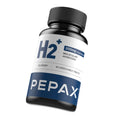
For individuals considering a comprehensive evening protocol, PEPAX Magnesium Glycinate with Astragalus & B6 combines the glycinate form with vitamin B6, which serves as a cofactor in magnesium-dependent enzymatic reactions and neurotransmitter synthesis. Astragalus membranaceus is an adaptogen with limited direct cramp data but has been studied for general stress recovery. This combination is positioned for individuals whose cramp patterns correlate with stress or overtraining rather than isolated electrolyte deficiency.
Who Benefits Most From Magnesium for Night Cramps
Evidence quality is not uniform across all populations. The strongest rationale for magnesium supplementation in nocturnal cramping exists in the following groups, based on physiological mechanisms and available trial data:
Older adults (60+ years): Intestinal magnesium absorption declines with age, and polypharmacy—particularly diuretic and proton pump inhibitor use—accelerates magnesium loss. Abbasi et al. (2012) studied elderly subjects with primary insomnia and found that 500 mg magnesium improved sleep time and efficiency over 8 weeks. While cramp frequency was not the primary endpoint, improved sleep architecture and reduced nocturnal arousals are mechanistically relevant to cramp susceptibility.
Individuals with documented low dietary magnesium: The NHANES dataset consistently shows that a significant percentage of adults consume less than the recommended dietary allowance. Those with low intake of leafy greens, nuts, seeds, and whole grains may have suboptimal tissue magnesium regardless of serum levels. DiNicolantonio et al. (2018) argued that this subclinical deficiency is a principal driver of multiple chronic conditions, including cardiovascular and neuromuscular dysfunction.
Athletes and physically active adults: Exercise increases magnesium demand through sweat loss, increased energy turnover, and muscle repair processes. Magnesium and Athletes: How Exercise Depletes It Faster and How to Replenish explores this relationship in detail. Individuals with high training loads who experience magnesium night cramps may have elevated requirements that standard dietary intake does not meet.
Persons with anxiety or chronic stress: Boyle et al. (2017) conducted a systematic review of magnesium supplementation for subjective anxiety and stress, finding that magnesium doses of 200–400 mg daily showed modest anxiolytic effects in vulnerable populations. Since stress and anxiety are associated with heightened muscle tone and sleep disruption, the overlap between stress-related magnesium depletion and nocturnal cramping is clinically relevant, though direct cramp-specific trials are lacking.
Individuals with depression or sleep-wake disruption: Tarleton et al. (2017) reported that 248 mg magnesium chloride over 6 weeks produced significant improvement in depression scores compared to placebo in a cohort of 126 adults with mild-to-moderate depression. Sleep quality improved as a secondary outcome. The mechanistic link between depression, sleep architecture, and nocturnal muscle hyperexcitability suggests that magnesium may benefit individuals whose cramps occur within a broader context of mood and sleep disturbance.
Practical Takeaways for Managing Magnesium Night Cramps
- Prioritize magnesium glycinate if nightly dosing is planned; the chelated form offers better GI tolerability and may provide synergistic sleep support through glycine.
- Target 200–500 mg elemental magnesium daily, taken 1–2 hours before bedtime, based on doses used in sleep and muscle trials.
- Do not rely on serum magnesium alone to rule out deficiency; intracellular status and dietary intake history provide more complete assessment.
- Review medications with your clinician—diuretics, PPIs, and some antibiotics increase magnesium loss and may raise requirements.
- Consider whether cramp patterns correlate with training load, stress, or sleep disruption; Magnesium and Deep Sleep: How This Mineral Affects REM Cycles and Sleep Architecture may provide additional context.
- Distinguish nocturnal cramps from restless legs syndrome (RLS), which has different diagnostic criteria and may respond to different magnesium protocols; Magnesium for Restless Leg Syndrome: Clinical Evidence and Practical Protocol covers this distinction.
- Exercise-induced cramping involves additional electrolyte considerations beyond magnesium; Magnesium for Muscle Cramps: Exercise-Induced Deficiency and Electrolyte Protocol addresses the broader electrolyte picture.
Bottom Line: What Magnesium Can and Cannot Do for Night Cramps
Magnesium supplementation shows the most promise for magnesium night cramps in older adults, active individuals with elevated losses, and those with subclinical deficiency or concurrent sleep disruption. The evidence is not strong enough to support magnesium as a universal cure for nocturnal leg cramps, and pregnancy-specific cramp data remains particularly weak. Most human studies to date are small-scale, with short durations and mixed methodological quality. A reasonable approach is to trial magnesium glycinate at 200–400 mg elemental magnesium nightly for 6–8 weeks while monitoring cramp frequency and sleep quality, with the understanding that non-responders may have cramp etiologies unrelated to magnesium status.
References
- Abbasi B, et al. "The effect of magnesium supplementation on primary insomnia in elderly: A double-blind placebo-controlled clinical trial." Journal of Research in Medical Sciences. 2012;17(12):1161–1169. [Source]
- Boyle NB, et al. "The Effects of Magnesium Supplementation on Subjective Anxiety and Stress — A Systematic Review." Nutrients. 2017;9(5):429. [Source]
- Gröber U, et al. "Magnesium in Prevention and Therapy." Nutrients. 2015;7(9):8199–8226. [Source]
- DiNicolantonio JJ, et al. "Subclinical magnesium deficiency: a principal driver of cardiovascular disease and a public health crisis." Open Heart. 2018;5(1):e000668. [Source]
- Tarleton EK, et al. "Role of magnesium supplementation in the treatment of depression: A randomized clinical trial." PLOS ONE. 2017;12(6):e0180067. [Source]
Featured Product
PEPAX Magnesium Glycinate with Astragalus & B6Magnesium glycinate · Astragalus root adaptogen · Vitamin B6 · clinical dose · cGMP certified
Shop Now →
Further Reading
- Magnesium for Restless Leg Syndrome: Clinical Evidence and Practical Protocol
- Magnesium for Muscle Cramps: Exercise-Induced Deficiency and Electrolyte Protocol
- Magnesium and Deep Sleep: How This Mineral Affects REM Cycles and Sleep Architecture
- Magnesium and Athletes: How Exercise Depletes It Faster and How to Replenish