




Discover how magnesium and zinc work together to support immune function during cold and flu season. Clinical evidence on mineral synergy and infection resistance.
The magnesium zinc immune partnership is one of the most underappreciated mineral interactions in human physiology. Both nutrients serve as enzymatic cofactors in pathways that regulate inflammation, antigen presentation, and the resolution of acute immune responses. Yet subclinical deficiencies of either are common in adults, and their combined role in seasonal respiratory defense has only recently gained focused clinical attention. This article examines what the evidence actually shows about magnesium and zinc in cold and flu defense—distinguishing mechanistic plausibility from proven outcomes in human trials.
Magnesium Zinc Immune Function: What the Research Landscape Shows
The current body of evidence for magnesium zinc immune synergy spans in vitro biochemistry, animal models, and a limited but growing number of human observational and interventional studies. No large-scale randomized controlled trial has directly tested the two minerals in combination for respiratory infection prevention, which is a critical limitation readers should understand upfront.
What we do have is substantial mechanistic data. Magnesium acts as a cofactor for over 300 enzymatic reactions, including those involved in antibody synthesis, T-cell proliferation, and macrophage activation. Zinc is required for the development and function of virtually all immune cells, with particularly strong evidence for its role in thymulin activity, natural killer cell function, and the integrity of mucosal barriers in the respiratory tract. Gröber et al. (2015) note that magnesium deficiency impairs immune responses by increasing circulating inflammatory cytokines and reducing the cytotoxic activity of immune cells, while DiNicolantonio et al. (2018) frame subclinical magnesium deficiency as a widespread condition that may predispose individuals to chronic low-grade inflammation and its downstream consequences.
The challenge in translating this to clinical practice is that most human studies to date are small-scale, use varying mineral forms and doses, and rarely isolate magnesium and zinc from other variables such as baseline nutritional status, age, or concurrent vitamin D levels. Boyle et al. (2017), in their systematic review of magnesium supplementation for subjective anxiety and stress, found modest evidence for benefit—but their analysis also underscored how heterogenous dosing and populations limit firm conclusions. This same heterogeneity applies to the immune literature.
Table 1 summarizes the key study types and their limitations:
| Study Type | Key Finding | Population / Dose | Limitation |
|---|---|---|---|
| In vitro | Mg²⁺ required for T-cell receptor signaling; Zn²⁺ stabilizes immune cell membranes | Human cell lines | No whole-organism physiology |
| Animal models | Mg deficiency increases IL-6 and TNF-α; Zn deficiency reduces thymus weight | Rodents, various strains | Species differences in mineral metabolism |
| Human observational | Low serum Mg and Zn correlate with higher infection susceptibility | Elderly, institutionalized adults | Confounding by overall nutritional status |
| Human RCTs (limited) | Zn lozenges reduce cold duration; Mg data for acute infection is sparse | Adults with common cold | Few studies test Mg+Zn together; variable zinc formulations |
The honest assessment: the magnesium zinc immune interaction is biologically plausible and supported by mechanistic evidence, but direct clinical proof for combined supplementation in cold and flu prevention remains preliminary. Most human studies to date are small-scale, and readers should weigh this evidence accordingly.
How Magnesium and Zinc Work Together at the Molecular Level
Understanding the magnesium zinc immune mechanism requires looking at three intersecting pathways: signal transduction, inflammatory regulation, and antioxidant defense.
Magnesium in Immune Cell Activation
Magnesium is not merely a structural mineral—it is a dynamic regulator of immune signaling. Intracellular free Mg²⁺ concentrations influence the activation threshold of T lymphocytes through modulation of the protein tyrosine kinase LCK and the phosphatase calcineurin. Without adequate magnesium, T-cell responses to viral antigens become blunted. Magnesium also serves as a natural calcium antagonist in immune cells; excessive calcium influx without sufficient magnesium buffering can trigger inappropriate activation of the NLRP3 inflammasome, a key driver of IL-1β release and pyroptosis. This is particularly relevant during viral infections, where dysregulated inflammasome activity contributes to cytokine storm pathology.
Gröber et al. (2015) summarize that magnesium deficiency increases susceptibility to oxidative stress and amplifies inflammatory responses—precisely the conditions that worsen outcomes in severe respiratory infections. For readers interested in the broader relationship between magnesium and systemic inflammation, our article on Magnesium and Inflammation: The Link Between Deficiency and CRP Levels explores this in greater depth.
Zinc in Antiviral Defense and Barrier Integrity
Zinc operates through a parallel but complementary set of mechanisms. It is essential for the activity of thymulin, a thymic peptide critical for T-cell maturation. Zinc also stabilizes the structural integrity of epithelial barriers, including the respiratory mucosa, which serves as the first physical line of defense against inhaled pathogens. Inside infected cells, zinc interferes with viral RNA polymerase activity and has been shown to inhibit the replication of rhinoviruses and other respiratory viruses in cell culture.
The mineral also functions as a cofactor for superoxide dismutase (SOD1), a key antioxidant enzyme that protects immune cells from oxidative damage during the respiratory burst. Without adequate zinc, neutrophils and macrophages generate reactive oxygen species but lack the enzymatic capacity to neutralize them efficiently, leading to bystander tissue damage.
The Synergistic Intersection
Where magnesium and zinc converge is in the regulation of NF-κB, the master transcription factor for pro-inflammatory cytokines. Magnesium helps maintain the negative regulatory mechanisms that dampen NF-κB activation after the initial immune response, while zinc directly inhibits IKK kinase activity, an upstream activator of the NF-κB pathway. Together, they appear to support a balanced inflammatory response: robust enough to clear pathogens, but controlled enough to prevent excessive tissue damage.
This mechanistic synergy is why combined deficiency of both minerals—common in older adults, individuals with gastrointestinal malabsorption, and those on proton pump inhibitors—may be particularly detrimental to immune resilience. The relationship between magnesium and white blood cell function provides additional context on how mineral status shapes innate immunity.
Magnesium Zinc Immune Support: Dosage, Forms, and Timing
For readers considering supplementation, the evidence supports specific dosing ranges and forms, though individual needs vary based on baseline status, diet, and medications.
| Mineral | Recommended Elemental Dose | Preferred Form | Timing | Key Consideration |
|---|---|---|---|---|
| Magnesium | 200–400 mg elemental Mg/day | Glycinate, citrate, or taurate | Evening with food | Glycinate is well-tolerated and less likely to cause diarrhea than oxide |
| Zinc | 15–30 mg elemental Zn/day | Bisglycinate, picolinate, or acetate (lozenges for acute use) | With food; separate from iron and calcium by 2+ hours | Long-term doses >40 mg/day may induce copper deficiency |
| Combined | Ratio approximately 10:1 Mg:Zn by elemental weight | Separate supplements or combined formula | Consistent daily intake | Monitor for interactions with antibiotics and diuretics |
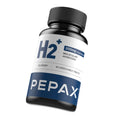
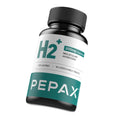
The glycinate form of magnesium deserves specific mention. Magnesium glycinate is a chelated form in which magnesium is bound to the amino acid glycine, improving absorption and reducing gastrointestinal side effects compared to inorganic salts like magnesium oxide. For individuals seeking immune support alongside sleep and recovery benefits, a formulation that combines magnesium glycinate with cofactors such as vitamin C and D3 addresses multiple pathways: magnesium for inflammation regulation and sleep quality, vitamin C for epithelial barrier function and antioxidant status, and vitamin D3 for antimicrobial peptide production. PEPAX Magnesium Glycinate with Vitamin C & D3 provides 200 mg elemental magnesium per serving in this well-absorbed form, alongside 500 mg vitamin C and 2,000 IU vitamin D3—doses aligned with the ranges used in clinical immune studies.
Zinc acetate and zinc gluconate lozenges have the strongest evidence for acute cold intervention, with studies typically using 9–24 mg elemental zinc per lozenge, taken every 2–3 hours while awake, starting within 24 hours of symptom onset. For ongoing immune maintenance, lower daily doses of 15–30 mg are sufficient and safer for long-term use.
Readers should also be aware that magnesium activates vitamin D, converting it to its active hormonal form. This means that vitamin D supplementation without adequate magnesium may be partially ineffective—a point relevant to anyone taking D3 for immune support during winter months.
Who Benefits Most from Magnesium Zinc Immune Optimization
Not everyone needs supplemental magnesium and zinc. Dietary intake from whole foods—leafy greens, legumes, nuts, seeds, shellfish, and meat—can meet requirements for many healthy adults. However, several populations have documented higher risk of subclinical deficiency and may derive the most benefit from targeted supplementation.
Adults over 60: Intestinal magnesium absorption declines with age, and zinc status is frequently low in elderly populations due to reduced dietary intake and medication interactions. Abbasi et al. (2012), in their double-blind trial of magnesium supplementation for insomnia in elderly subjects, used 500 mg magnesium daily and observed improvements in sleep efficiency—a secondary benefit that indirectly supports immune function, given the established link between sleep quality and antiviral immunity.
Individuals with chronic stress or anxiety: Psychological stress increases urinary magnesium excretion and elevates cortisol, which in turn impairs lymphocyte function. Boyle et al. (2017) found that magnesium supplementation at doses of 75–360 mg daily showed efficacy for subjective anxiety in mildly anxious and stressed individuals, though they noted that most available studies were small-scale and used different formulations.
People with gastrointestinal conditions: Celiac disease, Crohn's disease, chronic diarrhea, and bariatric surgery all reduce mineral absorption. These individuals often require higher supplemental doses and should work with clinicians to monitor serum levels.
Those on proton pump inhibitors or thiazide diuretics: PPIs reduce gastric acid secretion, impairing zinc absorption; thiazides increase renal magnesium wasting. Long-term use of either medication class is a well-documented risk factor for subclinical deficiency of both minerals.
Athletes and heavy sweaters: Zinc and magnesium are lost in sweat. Endurance athletes, particularly those training in hot environments, may have requirements 10–20% above sedentary populations.
For individuals in these categories, optimizing magnesium zinc immune status is not about supercharging the immune system—it is about correcting documented deficits that impair normal function. The optimal vitamin D3 levels article provides additional guidance on another common deficiency that intersects with mineral status in immune regulation.
Practical Takeaways for Magnesium Zinc Immune Support
- Test before guessing: Serum magnesium and zinc levels, along with 25-hydroxyvitamin D, provide objective data on whether supplementation is necessary. Roughly 10–30% of adults have suboptimal magnesium status, and zinc deficiency is common in older populations.
- Prioritize food first: A diet rich in pumpkin seeds, cashews, black beans, oysters, beef, and dark leafy greens can provide substantial magnesium and zinc. Supplements should fill gaps, not replace dietary foundations.
- Choose bioavailable forms: Magnesium glycinate or citrate; zinc bisglycinate or picolinate. Avoid magnesium oxide for immune purposes due to poor absorption. For acute cold symptoms, zinc acetate lozenges started within 24 hours have the best evidence.
- Mind the interactions: Zinc and magnesium compete with iron and calcium for absorption. Separate mineral supplements by at least 2 hours. High-dose zinc (>40 mg/day) long-term can cause copper deficiency—stay below this threshold unless medically supervised.
- Consider the full context: Immune function depends on sleep quality, stress management, vitamin D status, and protein intake. Magnesium supports sleep and stress resilience; PEPAX Magnesium Glycinate with Vitamin C & D3 addresses three of these variables simultaneously, though it should be viewed as part of a broader lifestyle approach rather than a standalone solution.
- Be realistic about evidence: Zinc has modest RCT evidence for reducing cold duration when started early. Magnesium's role in acute respiratory infection is less directly proven but mechanistically grounded in its anti-inflammatory and immune-modulatory effects. This is based on preclinical evidence and observational data for the combined mineral approach.
Bottom Line: The Magnesium Zinc Immune Evidence in Context
The magnesium zinc immune partnership is biologically compelling and supported by strong mechanistic and observational evidence, but direct human RCT data for combined supplementation in cold and flu prevention remains limited. Zinc has the stronger acute-intervention track record; magnesium's contribution appears to be more foundational, supporting the regulatory mechanisms that prevent immune overreaction while enabling effective pathogen clearance. For adults with documented or suspected deficiencies—particularly older individuals, those on certain medications, and people under chronic stress—correcting mineral status is a rational, evidence-informed strategy for supporting respiratory resilience during cold and flu season. It is not a replacement for vaccination, hand hygiene, or medical care when ill, but it addresses a frequently overlooked nutritional variable in immune competence.
References
- Abbasi B, et al. "The effect of magnesium supplementation on primary insomnia in elderly: A double-blind placebo-controlled clinical trial." Journal of Research in Medical Sciences. 2012;17(12):1161–1169. [Source]
- Boyle NB, et al. "The Effects of Magnesium Supplementation on Subjective Anxiety and Stress — A Systematic Review." Nutrients. 2017;9(5):429. [Source]
- Gröber U, et al. "Magnesium in Prevention and Therapy." Nutrients. 2015;7(9):8199–8226. [Source]
- DiNicolantonio JJ, et al. "Subclinical magnesium deficiency: a principal driver of cardiovascular disease and a public health crisis." Open Heart. 2018;5(1):e000668. [Source]
- Tarleton EK, et al. "Role of magnesium supplementation in the treatment of depression: A randomized clinical trial." PLOS ONE. 2017;12(6):e0180067. [Source]
Featured Product
PEPAX Magnesium Glycinate with Vitamin C & D3Clinical-dose magnesium bisglycinate · 80% bioavailability · with Vitamin C & D3 · third-party tested
Shop Now →
Further Reading
- Magnesium and Immunity: How Deficiency Affects White Blood Cell Function and Inflammation
- Magnesium Activates Vitamin D: Why You Need Both Nutrients for Optimal Absorption
- Magnesium and Inflammation: The Link Between Deficiency and CRP Levels
- Vitamin D3 Optimal Levels: Why Most People Need More Than the RDA