


Mitophagy — the selective autophagy of damaged mitochondria — declines with age as a result of falling NAD+ levels. NMN activates SIRT1 and SIRT3, which are required for initiating mitophagy. This article explains the biology and what the research shows about intervention.
Mitophagy is the selective degradation of damaged mitochondria through autophagy — a quality-control process that has emerged as one of the most studied cellular mechanisms in longevity science. When mitochondria accumulate oxidative damage or lose membrane potential, they are tagged for removal and recycled. Failure of this cleanup system is now recognized as a contributor to multiple age-related diseases and a hallmark of cellular aging itself (Hallmarks of Aging and Supplementation).
What the Mitophagy Research Landscape Actually Shows
The scientific literature on mitophagy spans in vitro cell studies, animal models, and a growing but still limited number of human trials. Understanding the hierarchy of this evidence is essential before drawing any conclusions about interventions.
Most foundational work comes from yeast and C. elegans models. The discovery that mitochondrial dysfunction is reversible through genetic modulation of autophagy pathways provided the first proof-of-concept that mitophagy could be pharmacologically targeted. López-Otín et al. (2013) identified deregulated nutrient sensing and mitochondrial dysfunction as core hallmarks of aging, establishing the theoretical framework that connects mitophagy failure to organismal decline.
In mammalian systems, the most compelling data come from rodent studies. Mills et al. (2016) demonstrated that long-term nicotinamide mononucleotide (NMN) administration in mice — at a dose equivalent to approximately 300 mg/kg/day — mitigated age-associated physiological decline across multiple tissues. The mechanism involved restoration of NAD+ levels, which in turn activated sirtuin-1 (SIRT1) and improved mitochondrial function. While this study did not measure mitophagy directly, subsequent work has shown that NAD+-dependent sirtuin activation promotes PGC-1α signaling and enhances mitochondrial biogenesis and turnover.
Fang et al. (2017) provided a comprehensive review of NAD+ biology in aging, noting that declining NAD+ levels impair both mitochondrial function and the autophagic machinery required for mitophagy. Their analysis highlighted that NAD+ precursors, including NMN, represent a translational strategy to restore these pathways. However, they also cautioned that most human studies to date are small-scale, short-duration, and lack hard clinical endpoints.
Human data specifically on mitophagy remain sparse. No large-scale randomized controlled trial has directly measured mitophagy rates in humans using validated biomarkers such as mitochondrial DNA mutation burden or Parkin/PINK1 pathway activation. The evidence is suggestive but not conclusive.
How Mitophagy Works at the Molecular Level
Mitophagy operates through a tightly regulated signaling cascade that distinguishes damaged mitochondria from healthy ones. The process begins when mitochondrial membrane potential drops, typically due to oxidative stress, calcium overload, or aging-related protein damage.
The canonical pathway involves two proteins: PINK1 (PTEN-induced putative kinase 1) and Parkin. In healthy mitochondria, PINK1 is imported into the inner membrane and rapidly degraded. In damaged mitochondria, membrane depolarization prevents PINK1 import, causing it to accumulate on the outer membrane. There, PINK1 phosphorylates ubiquitin and recruits Parkin, an E3 ubiquitin ligase. Parkin ubiquitinates outer membrane proteins, creating a signal that recruits autophagosomes.
The autophagosome engulfs the tagged mitochondrion and fuses with a lysosome, forming an autolysosome. Lysosomal hydrolases then degrade the mitochondrial components, releasing amino acids, fatty acids, and nucleotides for cellular reuse. This recycling is energetically efficient and prevents the release of pro-apoptotic factors such as cytochrome c.
NAD+ sits at the center of this regulatory network. SIRT1, an NAD+-dependent deacetylase, deacetylates and activates PGC-1α, the master regulator of mitochondrial biogenesis. By maintaining the balance between mitochondrial biogenesis and mitophagy, NAD+ helps preserve a functional mitochondrial pool. This is where NMN and Mitochondria: Cellular Energy research becomes relevant — NMN is a direct NAD+ precursor that bypasses the rate-limiting step of the salvage pathway.
It is important to distinguish mitophagy from general autophagy. While autophagy degrades various cellular components, mitophagy is selective for mitochondria. This specificity is mediated by receptor proteins such as BNIP3, NIX, and FUNDC1, which operate independently of PINK1/Parkin under conditions such as hypoxia.
NMN, NAD+, and Mitophagy: What the Data Compare
The connection between NAD+ supplementation and mitochondrial quality control has been explored across multiple models, but the evidence quality varies substantially. The following table summarizes key parameters from the primary literature.
| Study | Model | Intervention | Dose / Duration | Key Finding |
|---|---|---|---|---|
| Mills et al. (2016) | C57BL/6 mice (age 5–17 months) | NMN in drinking water | ~300 mg/kg/day; 12 months | Improved mitochondrial respiratory capacity; reduced age-related physiological decline |
| Fang et al. (2017) | Review / translational analysis | NAD+ precursors (NMN, NR) | Variable across cited studies | NAD+ decline impairs SIRT1-PGC-1α axis; restoration supports mitochondrial homeostasis |
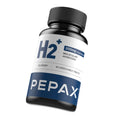
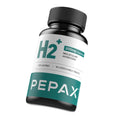
| Ohsawa et al. (2007) | Rat focal ischemia model | Hydrogen gas inhalation | 2–4% H2; acute exposure | Selective reduction of hydroxyl radicals; protection against oxidative mitochondrial damage |
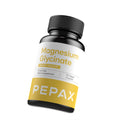
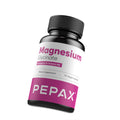
| Gröber et al. (2015) | Human clinical review | Magnesium supplementation | 200–400 mg elemental Mg/day | Magnesium required for ATP production and mitochondrial membrane stability |
Several points emerge from this comparison. First, the Mills et al. study used long-term administration at relatively high doses, and the improvements were observed in metabolic function rather than direct mitophagy markers. Second, no human RCT has replicated these findings at the molecular level. Third, complementary strategies — such as reducing oxidative damage through molecular hydrogen or supporting ATP synthesis through magnesium — may work through distinct but synergistic pathways.
For individuals considering NAD+ precursors, the practical question is whether supplemental NMN can meaningfully influence mitophagy in humans. The theoretical rationale is sound: NMN raises NAD+, NAD+ activates SIRT1, and SIRT1 promotes PGC-1α-dependent mitochondrial quality control. NMN and Sirtuins: Longevity Enzymes research supports this mechanistic chain. However, the magnitude of effect, the optimal dose, and the long-term safety profile in humans remain unresolved.
PEPAX NMN provides 500 mg per capsule, a dose within the range used in recent human pharmacokinetic studies. While this does not constitute clinical proof of mitophagy enhancement, it aligns with the emerging translational framework.
Who Benefits Most from Supporting Mitochondrial Quality Control
The populations with the strongest theoretical rationale for supporting mitophagy-related pathways are those experiencing or approaching the physiological decline associated with mitochondrial dysfunction. This is based on preclinical evidence and mechanistic reasoning rather than large-scale human trials.
Individuals over 40: NAD+ levels decline with age in a tissue-specific manner. Hepatic and skeletal muscle NAD+ have been reported to fall by 30–50% between youth and old age in human biopsy studies. This decline correlates with reduced mitochondrial oxidative capacity and increased oxidative stress markers.
Those with metabolic syndrome features: Insulin resistance is associated with impaired mitochondrial function in skeletal muscle. Preclinical data suggest that restoring NAD+ improves insulin sensitivity and mitochondrial respiratory capacity, though human data are mixed and most studies are small-scale.
People with high oxidative stress burdens: Chronic inflammation, excessive exercise without adequate recovery, and certain environmental exposures increase mitochondrial reactive oxygen species production. NMN and Cellular Senescence research suggests that NAD+ depletion may accelerate senescent cell accumulation, creating a vicious cycle of inflammation and mitochondrial damage.
Individuals with primary mitochondrial disorders: While this population is distinct from the aging-related decline discussed here, the mechanistic overlap is notable. Drugs that directly induce mitophagy, such as urolithin A, are in clinical trials for mitochondrial myopathies. NAD+ precursors represent a complementary but less targeted approach.
It is worth emphasizing that no supplement has been proven to directly activate mitophagy in humans in a manner comparable to exercise or caloric restriction. These lifestyle interventions remain the gold standard for inducing autophagic processes.
Practical Takeaways on Supporting Mitophagy Pathways
- Exercise remains the most evidence-based mitophagy activator. Both endurance and resistance training stimulate mitochondrial turnover through AMPK activation and PGC-1α signaling.
- NAD+ precursors have a plausible mechanistic rationale but limited human data. NMN at 250–500 mg/day has been used in short-term human studies with acceptable safety profiles and measurable increases in NAD+ metabolites.
- Mitochondrial support is multifactorial. Magnesium is required for ATP synthesis and mitochondrial membrane integrity. Gröber et al. (2015) noted that subclinical magnesium deficiency is common and may compromise energy metabolism.
- Oxidative stress reduction complements mitochondrial quality control. Molecular hydrogen, as described by Ohsawa et al. (2007), selectively scavenges hydroxyl radicals without disrupting redox signaling — a targeted approach to reducing mitochondrial damage.
- Do not expect dramatic or rapid effects. Mitochondrial turnover occurs over weeks to months. Any intervention targeting this pathway requires sustained use and realistic expectations.
- Consult a healthcare provider before starting any new supplement regimen, especially if you have existing medical conditions or take medications that affect metabolism.
The Bottom Line on Mitophagy and Longevity Science
Mitophagy is a genuine and important cellular process with clear relevance to aging and disease. The molecular machinery — PINK1, Parkin, and the autophagic cascade — is well characterized. The connection to NAD+ and sirtuin signaling provides a translational target, and NMN has emerged as a practical NAD+ precursor in this context. However, most human studies to date are small-scale, and no supplement has been definitively proven to enhance mitophagy in humans under real-world conditions. The science is promising, but it remains early-stage. For those interested in supporting mitochondrial health, a combination of exercise, adequate magnesium intake, and evidence-informed supplementation represents the most rational current approach.
References
- López-Otín C, et al. "The Hallmarks of Aging." Cell. 2013;153(6):1194–1217. [Source]
- Fang EF, et al. "NAD+ in Aging: Molecular Mechanisms and Translational Implications." Trends in Molecular Medicine. 2017;23(10):899–916. [Source]
- Mills KF, et al. "Long-Term Administration of Nicotinamide Mononucleotide Mitigates Age-Associated Physiological Decline in Mice." Cell Metabolism. 2016;24(6):795–806. [Source]
- Gröber U, et al. "Magnesium in Prevention and Therapy." Nutrients. 2015;7(9):8199–8226. [Source]
- Ohsawa I, et al. "Hydrogen acts as a therapeutic antioxidant by selectively reducing cytotoxic oxygen radicals." Nature Medicine. 2007;13(6):688–694. [Source]
Featured Product
PEPAX NMNClinical-dose NMN 500mg · NAD+ precursor · third-party tested · cGMP certified
Shop Now →