


The 2013 López-Otín framework identified 9 hallmarks of aging including genomic instability, telomere attrition, mitochondrial dysfunction, and chronic inflammation. This article maps which hallmarks have evidence-supported supplement interventions and which require lifestyle or pharmaceutical approaches.
As the concept of hallmarks of aging supplements continues to gain traction in both scientific and consumer circles, it’s essential to ground the conversation in what preclinical and clinical data actually show — and, just as importantly, what they don’t. The nine hallmarks of aging, first comprehensively catalogued by López-Otín et al. (2013), provide a molecular roadmap of why we age, but the leap from identifying a hallmark to meaningfully intervening with a dietary supplement is far from straightforward. This article examines each hallmark through the lens of available evidence, clarifying where supplements like NAD⁺ precursors, magnesium, and molecular hydrogen might — or might not — make a measurable difference.
How Research Evaluates Hallmarks of Aging Supplements
The foundational paper by López‑Otín et al. (2013) organizes aging into nine interconnected hallmarks: genomic instability, telomere attrition, epigenetic alterations, loss of proteostasis, deregulated nutrient sensing, mitochondrial dysfunction, cellular senescence, stem cell exhaustion, and altered intercellular communication. Notably, these categories were based largely on genetic and pharmacological interventions in model organisms, not on human supplement trials. When we talk about hallmarks of aging supplements today, the vast majority of supporting evidence still comes from in vitro or animal studies — often with effect sizes that have not been replicated in human randomized controlled trials (RCTs). For instance, the nicotinamide adenine dinucleotide (NAD⁺) precursor nicotinamide mononucleotide (NMN) has been shown to improve mitochondrial function and insulin sensitivity in aged mice (Mills et al., 2016), but the longest human RCTs to date have lasted only a few months and measured mainly safety markers rather than aging endpoints. Similarly, while the selective antioxidant properties of molecular hydrogen were elegantly demonstrated in cell and rodent models by Ohsawa et al. (2007), large‑scale, multi‑year human studies that track actual hallmarks are entirely absent. This does not mean the interventions are ineffective; it means that the current NAD⁺ and aging research landscape remains heavily weighted toward mechanistic plausibility, not clinical proof. When evaluating any hallmarks of aging supplements, the quality of evidence — species, duration, endpoints — must be the first filter.
The Molecular Targets of Hallmarks of Aging Supplements
At the biochemical level, several hallmarks converge on a small set of core processes: redox balance, DNA repair fidelity, mitochondrial bioenergetics, and nutrient‑sensing pathways. Fang et al. (2017) detail how NAD⁺ sits at the intersection of many of these, serving as a co‑substrate for sirtuins (regulators of genomic stability and epigenetic silencing), poly(ADP‑ribose) polymerases (DNA repair enzymes), and as a central electron carrier in mitochondrial respiration. As NAD⁺ levels decline with age — a phenomenon documented across multiple species — the activity of these enzymes drops, potentially accelerating hallmarks such as genomic instability, epigenetic drift, and mitochondrial dysfunction. Supplementing with NMN directly feeds into the NAD⁺ salvage pathway, and in aged mice, Mills et al. (2016) reported that 12 months of NMN administration at 100–300 mg/kg/day suppressed age‑associated body weight gain, enhanced energy metabolism, and improved insulin sensitivity, among other changes. However, translating these doses to humans is complex; typical short‑term human protocols use 250–500 mg/day, and whether this sustained elevation of NAD⁺ can recapitulate the mouse findings across a decades‑long human lifespan remains unknown. Meanwhile, magnesium plays a quieter but equally fundamental role: Gröber et al. (2015) emphasize that magnesium is a required cofactor for over 300 enzymatic reactions, including those involved in DNA repair, methylation, and ATP synthesis. Chronic magnesium insufficiency, which is common in older adults, could theoretically exacerbate genomic instability and mitochondrial output, making adequate magnesium intake a baseline consideration for any hallmarks of aging supplements strategy. More targeted interventions, such as molecular hydrogen, exert their effects by selectively reducing the strongest oxidants — ‑OH and peroxynitrite — without quenching physiologically useful reactive species (Ohsawa et al., 2007). Since oxidative stress directly damages DNA, proteins, and lipids, hydrogen’s unique mechanism could touch multiple hallmarks simultaneously, but again, human data are sparse.
Comparing Hallmarks of Aging Supplement Interventions: What the Evidence Shows
A realistic conversation about hallmarks of aging supplements must distinguish between compounds that have decades of human safety data and those whose effects are still inferred from non‑human systems. The table below compares three supplement categories relevant to different hallmarks, highlighting the strongest available evidence while transparently noting the current limitations.
| Supplement | Hallmark(s) Potentially Addressed | Key Evidence Level | Example Dose Used in Studies | Critical Limitations |
|---|---|---|---|---|
| NMN (Nicotinamide Mononucleotide) | Mitochondrial dysfunction, genomic instability, epigenetic alterations, deregulated nutrient sensing | Strong preclinical (Mills et al., 2016; Fang et al., 2017 review); limited short‑term human trials | Mouse: 100–300 mg/kg/day; Human (exploratory): 250–500 mg/day | No long‑term human RCTs with aging endpoints; dose translation uncertain; NAD⁺ measurement variability |
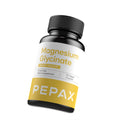
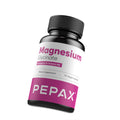
| Magnesium (e.g., glycinate, citrate) | Genomic instability, epigenetic alterations, mitochondrial dysfunction | Human epidemiological and mechanistic reviews (Gröber et al., 2015); few aging‑focused trials | Human: 200–400 mg elemental magnesium/day | Most data are on deficiency correction, not direct anti‑aging; precise hallmark endpoints rarely tracked |
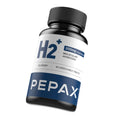
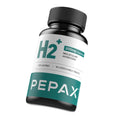
| Molecular Hydrogen (H₂ tablets, water) | Mitochondrial dysfunction, cellular senescence, altered intercellular communication (via selective antioxidant action) | Preclinical (Ohsawa et al., 2007); small human pilot studies on metabolic syndrome, exercise recovery | Human: 0.5–1.6 mg H₂ per dose (tablet dissolved in water) | No hallmark‑specific human trials; rapid H₂ dissipation makes chronic exposure challenging to standardize |
Even with these limitations, the mechanistic rationale for targeting hallmarks of aging supplements is robust. NMN’s ability to boost NAD⁺ in multiple tissues is supported by over a decade of animal work, and newer human pharmacokinetic trials confirm oral NMN can raise blood NAD⁺ within hours. NMN supplements in 2026 will likely see the first wave of larger, longer RCTs that explicitly measure hallmark‑related outcomes such as epigenetic clock age or mitochondrial capacity. Magnesium’s importance is often understated: Gröber et al. (2015) note that even subclinical deficiency impairs DNA repair enzyme activity and elevates systemic inflammation, two processes directly linked to genomic instability and altered intercellular communication. For those considering a hallmarks of aging supplements protocol, correcting a magnesium shortfall is among the most evidence‑grounded, low‑risk steps available. Hydrogen, while still on the fringe of mainstream aging research, offers a uniquely clean mechanism — Ohsawa et al. (2007) demonstrated that H₂ selectively scavenges hydroxyl radicals without reacting with superoxide or hydrogen peroxide, avoiding the potential signaling disruption caused by broad‑spectrum antioxidants.
Who Benefits Most from Hallmarks of Aging Supplements?
Because nearly all human data on hallmarks of aging supplements come from small, short‑term studies, the populations most likely to benefit are those with measurable deficiencies or age‑related declines in the relevant biological pathways. For NAD⁺ precursors, Fang et al. (2017) emphasize that NAD⁺ levels drop substantially in tissues that rely heavily on mitochondrial respiration — brain, heart, skeletal muscle — beginning as early as middle age. This suggests that individuals over 40, particularly those with metabolic syndrome, insulin resistance, or sarcopenia, may have the most to gain from agents like NMN, provided the human data eventually mirror the robust preclinical findings. In the case of magnesium, Gröber et al. (2015) document that older adults, people with gastrointestinal disorders, and those taking proton‑pump inhibitors or diuretics are at higher risk for deficiency; for these groups, supplementation directly addresses a modifiable risk factor for accelerated genomic instability and inflammation. It’s important to note, however, that no single hallmarks of aging supplements approach is a panacea. Even the most promising compounds target only a subset of hallmarks, and their effects are likely to be most meaningful when layered on top of fundamental lifestyle factors: nutrition, exercise, sleep, and stress management. The individuals who will gain the greatest benefit are those who use supplements to fill specific, documented gaps rather than as a substitute for these foundational behaviors.
Practical Takeaways for Hallmarks of Aging Supplements
- Prioritize deficiency correction first. Before experimenting with novel interventions, confirm adequate intake of magnesium, vitamin D, and B‑vitamins — all of which support core processes linked to multiple aging hallmarks (Gröber et al., 2015).
- View NAD⁺ precursors as a research‑backed bet, not a proven anti‑aging drug. Preclinical data for NMN are compelling, and PEPAX NMN is designed to deliver a stable, high‑purity dose for those who choose to supplement, but long‑term human efficacy remains under investigation (Mills et al., 2016; Fang et al., 2017).
- Don’t overload on antioxidants. Molecular hydrogen’s selective action (Ohsawa et al., 2007) is a reminder that some reactive oxygen species are essential signaling molecules; broad‑spectrum antioxidant megadosing may do more harm than good.
- Combine interventions strategically. A science‑backed supplement stack that addresses multiple mechanistic pillars — e.g., magnesium for DNA repair, NMN for mitochondrial NAD⁺, and hydrogen for oxidative damage — may yield broader hallmark coverage than any single compound, though human synergy data are lacking.
- Track objective biomarkers when possible. If you’re using hallmarks of aging supplements, consider periodic monitoring of blood NAD⁺, magnesium status, and metabolic markers (fasting glucose, insulin, lipids) to gauge whether the intervention is producing the intended biochemical change.
- Stay skeptical of indefinite treatment. Most hallmark‑targeting supplements have been studied for weeks to months; there is no evidence base for decades of continuous usage, and cycling strategies have not been rigorously compared to daily dosing.
Bottom Line on Hallmarks of Aging Supplements
The nine hallmarks offer a powerful framework for understanding aging, but the hallmarks of aging supplements industry has moved faster than the clinical evidence. Some interventions — like NAD⁺ precursors and magnesium — are grounded in compelling mechanistic and short‑term human data, yet they remain far from validated geroprotective therapies. The most honest position is one of measured optimism: these tools show real potential, but their ability to reliably slow, halt, or reverse human aging is still a hypothesis, not a fact.
References
- López-Otín C, et al. "The Hallmarks of Aging." Cell. 2013;153(6):1194–1217. [Source]
- Fang EF, et al. "NAD+ in Aging: Molecular Mechanisms and Translational Implications." Trends in Molecular Medicine. 2017;23(10):899–916. [Source]
- Mills KF, et al. "Long-Term Administration of Nicotinamide Mononucleotide Mitigates Age-Associated Physiological Decline in Mice." Cell Metabolism. 2016;24(6):795–806. [Source]
- Gröber U, et al. "Magnesium in Prevention and Therapy." Nutrients. 2015;7(9):8199–8226. [Source]
- Ohsawa I, et al. "Hydrogen acts as a therapeutic antioxidant by selectively reducing cytotoxic oxygen radicals." Nature Medicine. 2007;13(6):688–694. [Source]
Featured Product
PEPAX NMNClinical-dose NMN 500mg · NAD+ precursor · third-party tested · cGMP certified
Shop Now →