


8-OHdG, F2-isoprostanes, and MDA are the most validated oxidative stress biomarkers in human research. This article explains what each measures, how they're tested, their limitations, and which supplements have robust clinical evidence for reducing them.
Oxidative stress biomarkers are the measurable fingerprints of cellular damage caused by reactive oxygen species (ROS) exceeding the body's antioxidant defenses. When free radicals attack lipids, proteins, and DNA, they leave behind traceable chemical signatures that clinicians and researchers use to quantify redox imbalance. Understanding these biomarkers matters because oxidative stress is implicated in aging, metabolic disease, neurodegeneration, and cardiovascular risk — yet not all biomarkers are equally reliable, and not all supplements that claim antioxidant benefits have human trial data to support them.
What Oxidative Stress Biomarkers Actually Measure
Oxidative stress biomarkers fall into three categories based on what they detect: lipid peroxidation products, protein oxidation markers, and DNA oxidation adducts. Each category reflects a different molecular target of ROS attack, and each has distinct strengths and limitations in clinical and research settings.
Malondialdehyde (MDA) is the most widely measured lipid peroxidation marker, typically assessed via thiobarbituric acid reactive substances (TBARS). MDA rises when polyunsaturated fatty acids in cell membranes undergo oxidative damage. However, MDA specificity is poor — the assay cross-reacts with other aldehydes, and dietary factors can confound results. A 2015 review by Gröber et al. noted that MDA remains useful for population-level comparisons but is less reliable for individual clinical decisions.
8-hydroxy-2'-deoxyguanosine (8-OHdG) is a DNA oxidation adduct formed when hydroxyl radicals attack guanine bases. It is excreted in urine and measurable in tissues, making it one of the most specific oxidative stress biomarkers available. Urinary 8-OHdG correlates with cumulative oxidative DNA damage and has been validated across aging studies, cancer risk assessments, and intervention trials. For readers interested in how this marker changes with age, our article on Hydrogen Water for Seniors: 8-OHdG examines population data in older adults.
Protein carbonyls and advanced oxidation protein products (AOPP) indicate ROS-mediated protein damage. Carbonyl groups form on amino acid side chains when proteins encounter hypochlorous acid, peroxynitrite, or metal-catalyzed oxidation. AOPP elevations appear in chronic kidney disease, diabetes, and inflammatory conditions. These markers are less commonly measured than MDA or 8-OHdG but offer complementary information about protein-targeted oxidative stress.
Antioxidant enzyme activity — including superoxide dismutase (SOD), catalase (CAT), and glutathione peroxidase (GPx) — provides indirect evidence of oxidative burden. When ROS production increases, cells often upregulate these enzymes as compensatory defenses. Declining enzyme activity, conversely, can signal antioxidant reserve depletion. Measuring both damage markers and enzyme responses gives a more complete picture than either alone.
The Biochemistry of Oxidative Stress Biomarker Formation
To interpret oxidative stress biomarkers accurately, it helps to understand the molecular sequence that produces them. ROS are not a single entity — they include superoxide anion (O₂•⁻), hydrogen peroxide (H₂O₂), and the highly reactive hydroxyl radical (•OH). The hydroxyl radical is particularly destructive because it reacts with the first biomolecule it encounters at diffusion-limited rates.
When •OH attacks DNA, it preferentially targets guanine at the C8 position, forming 8-hydroxyguanine. During DNA repair by base excision repair enzymes, this damaged base is excised and excreted as 8-OHdG in urine. The amount excreted therefore reflects both the rate of oxidative DNA damage and the efficiency of repair pathways.
Lipid peroxidation follows a different mechanism. ROS abstract hydrogen atoms from polyunsaturated fatty acids, initiating a chain reaction that propagates through cell membranes. The end products include MDA, 4-hydroxynonenal (4-HNE), and isoprostanes. Isoprostanes — particularly F₂-isoprostanes — are now preferred over MDA in rigorous clinical research because they are chemically stable, specific to free radical-mediated arachidonic acid peroxidation, and measurable with mass spectrometry.
Protein oxidation occurs through multiple pathways: direct amino acid modification, glycation-oxidation crosslinks, and metal-catalyzed site-specific damage. Protein carbonyls accumulate on lysine, arginine, proline, and threonine residues. Unlike DNA damage, which cells actively repair, oxidized proteins are typically degraded by the proteasome. Accumulation of protein carbonyls therefore indicates either excessive oxidative load or impaired proteasomal function — a distinction that matters in aging research, where proteasomal decline is itself a hallmark of cellular senescence López-Otín et al. 2013.
Comparing Oxidative Stress Biomarkers: Sensitivity, Specificity, and Clinical Utility
No single oxidative stress biomarker is ideal for every application. Researchers select markers based on the biological question, sample type, and required specificity. The table below summarizes the key characteristics of the most commonly measured markers.
| Biomarker | Category | Sample Type | Specificity | Primary Clinical Use |
|---|---|---|---|---|
| 8-OHdG | DNA oxidation | Urine, tissue | High | Cancer risk, aging, intervention trials |
| F₂-Isoprostanes | Lipid peroxidation | Plasma, urine | Very high | Cardiovascular risk, smoking damage |
| MDA (TBARS) | Lipid peroxidation | Plasma, serum | Low | Population screening, cost-sensitive studies |
| Protein carbonyls | Protein oxidation | Plasma, tissue | Moderate | Chronic disease, aging |
| AOPP | Protein oxidation | Plasma | Moderate | Renal disease, inflammation |
| SOD / CAT / GPx | Antioxidant enzymes | Erythrocytes, plasma | Moderate | Antioxidant capacity, redox status |
F₂-isoprostanes deserve particular attention because they have emerged as the gold standard for lipid peroxidation in human studies. Unlike MDA, they are not produced by enzymatic pathways, are stable in biological samples, and correlate with established disease risk factors. Their measurement requires mass spectrometry, which limits accessibility but improves reliability.
Urinary 8-OHdG offers the best balance of specificity, non-invasiveness, and clinical validation. Multiple studies have shown that lifestyle interventions — smoking cessation, exercise modification, dietary changes — produce measurable changes in urinary 8-OHdG within weeks. This responsiveness makes it valuable for tracking intervention effects, including supplementation studies.
What the Human Evidence Says About Supplements and Oxidative Stress Biomarkers
The supplement industry makes extensive antioxidant claims, but human randomized controlled trial (RCT) data supporting biomarker reductions are limited to a small number of compounds. Most human studies to date are small-scale, short-duration, and use varying biomarker endpoints, making cross-study comparisons difficult.
Hydrogen gas (H₂) has emerged as one of the more interesting molecules in this space. Ohsawa et al. (2007) demonstrated in a rat model of cerebral ischemia-reperfusion injury that inhaled hydrogen selectively reduced cytotoxic hydroxyl radicals and peroxynitrite without scavenging physiologically important ROS like superoxide and hydrogen peroxide. This selectivity is mechanistically significant: indiscriminate antioxidant scavenging can disrupt redox signaling, whereas targeted reduction of the most damaging radicals may preserve cellular function.
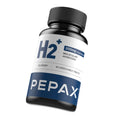
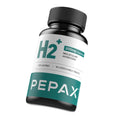
Subsequent human studies with hydrogen-rich water have reported reductions in urinary 8-OHdG and improvements in antioxidant enzyme activity, though sample sizes have typically been under 50 participants and study durations under 12 weeks. The molecular hydrogen in PEPAX Hydrogen Water Tablets delivers H₂ in a portable, effervescent format; the unflavored and blueberry variants dissolve to produce hydrogen concentrations consistent with published intervention studies. Readers comparing antioxidant approaches may find our analysis of Hydrogen Water vs Vitamin C Antioxidants useful for understanding mechanistic differences.
Nicotinamide mononucleotide (NMN) and NAD⁺ precursors address oxidative stress indirectly rather than through direct radical scavenging. NAD⁺ is a cofactor for sirtuins and PARP enzymes involved in DNA repair and mitochondrial function. Fang et al. (2017) reviewed the evidence linking NAD⁺ decline to age-associated oxidative damage and highlighted that restoring NAD⁺ levels may improve mitochondrial quality control, thereby reducing ROS generation at the source. Mills et al. (2016) showed that long-term NMN administration in mice mitigated age-associated physiological decline, including markers of oxidative stress, though human RCTs with biomarker endpoints remain limited. For a deeper look at the DNA repair connection, see our article on NMN and DNA Repair.
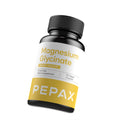
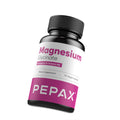
Magnesium plays a less recognized but important role in oxidative stress biology. Magnesium deficiency increases superoxide production and reduces antioxidant enzyme activity. Gröber et al. (2015) summarized evidence that magnesium supplementation can lower MDA and improve SOD and GPx activity, particularly in individuals with suboptimal magnesium status. The effect sizes are modest compared to direct antioxidant interventions, but magnesium's role as a cofactor for over 300 enzymatic reactions means its deficiency creates systemic vulnerability to oxidative damage.
Vitamin C, vitamin E, and polyphenols have been extensively studied, but large human trials have produced mixed or null results for oxidative stress biomarker reduction. The discrepancy between in vitro antioxidant capacity and in vivo efficacy likely reflects poor bioavailability, rapid excretion, and the complexity of human redox regulation. This pattern — strong preclinical data, weak clinical translation — is common across antioxidant research and underscores the importance of distinguishing in vitro, animal, and human RCT evidence.
Who Benefits Most from Tracking Oxidative Stress Biomarkers
Certain populations show consistently elevated oxidative stress biomarkers and may derive the most value from monitoring and targeted intervention.
Older adults experience a well-documented shift in redox balance. The term "inflammaging" describes the chronic, low-grade inflammation that accompanies aging and drives ROS production. Our article on Inflammaging: Chronic Inflammation-Aging explores how this process elevates 8-OHdG, protein carbonyls, and inflammatory cytokines simultaneously. Individuals over 60 consistently show 20–50% higher urinary 8-OHdG than younger adults, making this a priority population for both biomarker assessment and intervention.
Individuals with metabolic syndrome or type 2 diabetes exhibit elevated F₂-isoprostanes and protein carbonyls independent of age. Hyperglycemia drives advanced glycation end-product formation and mitochondrial superoxide production. In this population, oxidative stress biomarkers correlate with insulin resistance severity and microvascular complication risk.
Chronic kidney disease patients accumulate AOPP and protein carbonyls due to impaired clearance and uremia-driven inflammation. These markers predict cardiovascular mortality in dialysis populations more strongly than traditional risk factors in some cohorts.
Endurance athletes and overtrained individuals present a nuanced picture. Acute exercise transiently elevates oxidative stress biomarkers as part of adaptive signaling, but chronic overload without adequate recovery can produce sustained elevations that impair performance and immunity. Monitoring 8-OHdG or F₂-isoprostanes during high-volume training blocks may help identify insufficient recovery before clinical symptoms appear.
Smokers and individuals with high environmental toxin exposure show predictable elevations in F₂-isoprostanes and 8-OHdG. These markers decrease measurably after smoking cessation, providing objective feedback on risk reduction.
Practical Takeaways: Measuring and Managing Oxidative Stress
- Urinary 8-OHdG offers the best combination of specificity, non-invasive collection, and clinical validation for tracking oxidative DNA damage in intervention studies.
- F₂-isoprostanes are the gold standard for lipid peroxidation but require mass spectrometry; MDA is more accessible but less specific.
- Measure antioxidant enzyme activity (SOD, CAT, GPx) alongside damage markers to distinguish between excessive ROS production and depleted defenses.
- Hydrogen-rich water has human pilot data showing reductions in select oxidative stress biomarkers, with a mechanistic rationale for selective hydroxyl radical reduction; larger, longer RCTs are still needed.
- NAD⁺ precursors like NMN address oxidative stress upstream by improving mitochondrial quality control rather than direct radical scavenging; this is based on preclinical evidence with emerging human data.
- Correct magnesium deficiency before investing in exotic antioxidants — subopt magnesium status increases superoxide production and is common in older adults and metabolic disease.
The Bottom Line on Oxidative Stress Biomarkers and Supplements
Oxidative stress biomarkers provide measurable, objective data on redox status, but no single marker captures the full picture. The strongest human evidence for biomarker reduction exists for hydrogen-rich water, magnesium repletion, and NAD⁺ precursor supplementation — though most human studies to date are small-scale and short-duration. For readers seeking a practical, evidence-informed approach, starting with validated biomarker assessment (8-OHdG or F₂-isoprostanes) and addressing foundational nutrients before adding targeted interventions represents the most rational strategy.
References
- López-Otín C, et al. "The Hallmarks of Aging." Cell. 2013;153(6):1194–1217. [Source]
- Fang EF, et al. "NAD+ in Aging: Molecular Mechanisms and Translational Implications." Trends in Molecular Medicine. 2017;23(10):899–916. [Source]
- Mills KF, et al. "Long-Term Administration of Nicotinamide Mononucleotide Mitigates Age-Associated Physiological Decline in Mice." Cell Metabolism. 2016;24(6):795–806. [Source]
- Gröber U, et al. "Magnesium in Prevention and Therapy." Nutrients. 2015;7(9):8199–8226. [Source]
- Ohsawa I, et al. "Hydrogen acts as a therapeutic antioxidant by selectively reducing cytotoxic oxygen radicals." Nature Medicine. 2007;13(6):688–694. [Source]
Featured Product
PEPAX Hydrogen Water TabletsPure molecular H2 · unflavored · clean formula · 60 tablets · cGMP certified
Shop Now →