


Aging is characterized by a progressive imbalance between ROS production and antioxidant defenses. Studies in older adults show hydrogen water improves 8-OHdG (DNA oxidation marker) and grip strength. This article reviews the evidence relevant to healthy aging over 60.
As we age, oxidative stress accumulates in tissues throughout the body, contributing to cellular dysfunction, chronic inflammation, and declining physical performance. Hydrogen water for seniors has emerged as a topic of genuine scientific interest because molecular hydrogen (H₂) appears to act as a selective antioxidant—neutralizing the most damaging free radicals without disrupting normal redox signaling. This article examines what the clinical literature actually shows about hydrogen-rich water and its relevance for older adults concerned with healthy aging.
What the Research on Hydrogen Water for Seniors Actually Shows
The evidence base for hydrogen water spans preclinical models, small human pilot studies, and a handful of randomized controlled trials. Most human studies to date are small-scale, typically enrolling 20–60 participants, with treatment durations ranging from one week to six months. The majority of published trials have focused on metabolic biomarkers, inflammatory markers, and exercise recovery rather than long-term aging outcomes specifically in older adults.
Among the most relevant studies for seniors, LeBaron et al. (2020) conducted a 24-week randomized controlled trial in 60 men and women with metabolic syndrome. Participants consumed high-concentration hydrogen-rich water (1.0–1.5 ppm H₂) or placebo. The hydrogen group showed significant reductions in inflammatory markers and improvements in blood lipid profiles compared to baseline, though effect sizes were modest. This represents one of the longer-duration human trials available and is particularly relevant for older adults managing metabolic health.
Ishibashi et al. (2012) studied 20 patients with rheumatoid arthritis—a condition predominantly affecting middle-aged and older adults—who drank high-concentration hydrogen water (0.5–1.0 ppm) for four weeks. The study reported reductions in oxidative stress biomarkers and disease activity scores. While promising, this was an open-label pilot without a placebo control, limiting the strength of causal inference.
Sim et al. (2020) conducted a randomized, double-blind, placebo-controlled trial in 38 healthy adults (mean age not restricted to seniors, but relevant to adult populations). Participants consumed 1.5 liters of hydrogen-rich water daily (approximately 1.0 ppm H₂) for four weeks. The hydrogen group demonstrated reduced inflammatory responses and lower apoptosis rates in peripheral blood cells compared to placebo. This trial provides some of the stronger evidence for H₂'s anti-inflammatory effects in humans.
| Study | Population | Duration | H₂ Dose/Concentration | Key Findings |
|---|---|---|---|---|
| LeBaron et al. (2020) | 60 adults with metabolic syndrome | 24 weeks | 1.0–1.5 ppm, ~1 L/day | Reduced inflammatory markers; improved lipid profiles |
| Ishibashi et al. (2012) | 20 RA patients (middle-aged/older) | 4 weeks | 0.5–1.0 ppm | Reduced oxidative stress; decreased disease activity |
| Sim et al. (2020) | 38 healthy adults | 4 weeks | ~1.0 ppm, 1.5 L/day | Reduced inflammation; lower blood cell apoptosis |
| Aoki et al. (2012) | 10 elite athletes | 7 days | ~0.9–1.2 ppm | Reduced exercise-induced muscle fatigue |
The table above illustrates an important pattern: while multiple studies suggest biological activity, the evidence specifically in adults over 60 remains limited. Most trials have been conducted in broader adult populations or specific disease groups. This is a critical limitation when evaluating hydrogen water for seniors as an intervention for age-related decline.
How Hydrogen Water Works at the Molecular Level
The mechanistic rationale for hydrogen water begins with its unique chemical properties. Molecular hydrogen is the smallest molecule in existence, allowing it to diffuse rapidly across cell membranes, the blood-brain barrier, and subcellular compartments including mitochondria. This distinguishes H₂ from conventional antioxidant compounds, which often have limited bioavailability and tissue penetration.
Ohsawa et al. (2007) demonstrated in a landmark in vitro and animal study that hydrogen acts as a therapeutic antioxidant by selectively reducing cytotoxic oxygen radicals—specifically the hydroxyl radical (•OH) and peroxynitrite (ONOO⁻). Importantly, H₂ did not react with other physiologically important reactive oxygen species such as superoxide (O₂•⁻), hydrogen peroxide (H₂O₂), or nitric oxide (NO•). This selectivity matters because complete suppression of all ROS would disrupt normal cellular signaling pathways involved in immune function, vascular tone, and adaptive responses to exercise.
The hydroxyl radical is particularly relevant to aging biology. It is one of the most reactive species in biological systems, capable of damaging DNA, proteins, and membrane lipids indiscriminately. Mitochondria are a major source of •OH production, and mitochondrial dysfunction is a well-established hallmark of cellular aging. By selectively quenching this radical, hydrogen may help protect mitochondrial integrity without blunting the beneficial signaling roles of mild oxidative stress.
Beyond direct radical scavenging, hydrogen appears to modulate gene expression related to antioxidant defenses. Preclinical evidence suggests H₂ can upregulate nuclear factor erythroid 2-related factor 2 (Nrf2) pathway activity, enhancing endogenous production of glutathione, catalase, and superoxide dismutase. However, these mechanistic findings derive primarily from cell culture and animal models. The extent to which these pathways are activated by hydrogen water in older humans remains an open question requiring further investigation.
Hydrogen Water for Seniors: Dosage, Forms, and Practical Considerations
For older adults considering hydrogen water, understanding dosage and product form is essential. The therapeutic potential depends heavily on the concentration of dissolved molecular hydrogen, which is typically measured in parts per million (ppm) or milligrams per liter (mg/L). Most clinical trials showing biological effects have used concentrations in the range of 0.5–1.5 ppm.
Hydrogen is poorly soluble in water under normal conditions—approximately 1.6 ppm at saturation at room temperature and atmospheric pressure. This means that pre-packaged hydrogen water must be manufactured under pressure and stored in airtight aluminum containers to prevent H₂ gas from escaping. Once a container is opened, hydrogen concentration declines rapidly, often dropping by 50% or more within hours.
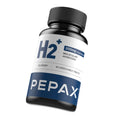
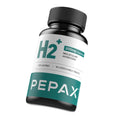
This volatility has driven interest in on-demand generation methods. PEPAX Hydrogen Water Tablets represent one such approach, generating molecular hydrogen through a controlled chemical reaction when dropped into water. This ensures a fresh concentration at the time of consumption rather than relying on pre-dissolved gas that may have dissipated during storage and transport. For seniors managing multiple supplements, the tablet format also offers convenience and eliminates the need to carry bottled beverages.
| Form | Typical H₂ Concentration | Stability | Convenience for Seniors |
|---|---|---|---|
| Pre-packaged bottled water | 0.5–1.0 ppm (at manufacture) | Declines after opening; weeks on shelf | Moderate; requires storage space |
| On-demand tablets | 1.0–2.5 ppm (freshly generated) | Generated at time of use; most stable | High; portable, no refrigeration needed |
| Hydrogen water generators | 0.8–1.2 ppm | Immediate consumption recommended | Low; requires equipment and maintenance |
Timing of consumption may also matter. Studies showing effects on exercise recovery typically administer hydrogen water before or during physical activity. For general antioxidant support, consistent daily intake appears more important than specific timing. Most trials have divided daily doses into 2–3 servings to maintain more stable H₂ levels throughout the day.
Which Older Adults May Benefit Most from Hydrogen Water
The evidence, while preliminary, suggests several populations of older adults where hydrogen water merits consideration as an adjunct to standard care.
Adults with metabolic syndrome or elevated inflammatory markers: The LeBaron et al. (2020) trial provides the most direct evidence here. Participants with metabolic syndrome showed improvements in C-reactive protein, tumor necrosis factor-alpha (TNF-α), and lipid profiles after 24 weeks. For seniors managing weight, blood sugar, or lipid abnormalities, this represents a plausible though unproven adjunctive strategy.
Individuals with inflammatory joint conditions: The Ishibashi et al. (2012) pilot in rheumatoid arthritis patients suggests hydrogen water may reduce disease activity and oxidative stress. While this requires confirmation in larger, placebo-controlled trials, the safety profile of hydrogen makes it reasonable to consider alongside conventional therapy—never as a replacement.
Older adults engaged in regular physical activity: Aoki et al. (2012) demonstrated that hydrogen water reduced muscle fatigue in elite athletes after acute exercise. While this study population was young, the mechanism—attenuation of exercise-induced oxidative stress—is relevant to older adults who experience greater oxidative damage and slower recovery from physical exertion. Seniors maintaining exercise routines may find hydrogen water supports recovery, though direct evidence in this age group is lacking.
It is worth noting what the evidence does not support. No published human trial has demonstrated that hydrogen water extends lifespan, reverses established age-related disease, or replaces medical treatment for any condition. Claims beyond the existing evidence should be viewed skeptically.
For readers interested in complementary approaches to cellular health, our article on NMN After 50: Midlife NAD+ examines another molecule with mechanistic relevance to aging biology. Similarly, Magnesium and Aging Over 50 covers mineral requirements that change with age.
Practical Takeaways: Hydrogen Water for Seniors
- Evidence quality is preliminary but promising. Most human studies are small and short-term, though multiple independent trials report consistent directional effects on oxidative stress and inflammation biomarkers.
- Dose matters. Look for products delivering 1.0 ppm H₂ or higher. Pre-packaged waters should be consumed quickly after opening; on-demand generation methods maintain freshness.
- Selective antioxidant mechanism is well-supported. Hydrogen targets the hydroxyl radical and peroxynitrite without disrupting beneficial ROS signaling—a mechanistic advantage over non-selective antioxidant supplements.
- Strongest evidence exists for metabolic and inflammatory markers. Adults with metabolic syndrome show the most robust trial data. Evidence specifically in adults over 65 remains limited.
- Safety profile appears favorable. No serious adverse events have been reported in published human trials. Hydrogen is metabolically inert and does not accumulate in tissues.
- Consider hydrogen water as part of a broader strategy. A comprehensive approach to healthy aging includes adequate protein intake, resistance training, sleep optimization, and targeted supplementation. Our guide to building a Longevity Supplement Stack provides additional context on combining evidence-based interventions.
Those interested in hydrogen's effects on external aging may also find our analysis of Hydrogen Water and Skin: Aging relevant, as oxidative stress pathways in skin biology overlap with systemic aging processes.
The Bottom Line on Hydrogen Water for Older Adults
The scientific case for hydrogen water for seniors rests on a plausible mechanism—selective neutralization of highly reactive oxygen radicals—supported by a growing but still preliminary body of human trial data. The strongest evidence comes from studies in metabolic syndrome and inflammatory conditions, with effect sizes that are measurable but modest. Older adults considering hydrogen water should approach it as a potentially useful adjunct within a comprehensive health strategy, not as a standalone anti-aging intervention. Larger, longer-duration trials specifically enrolling adults over 65 would significantly strengthen the evidence base and clarify which seniors are most likely to benefit.
References
- Ohsawa I, et al. "Hydrogen acts as a therapeutic antioxidant by selectively reducing cytotoxic oxygen radicals." Nature Medicine. 2007;13(6):688–694. [Source]
- Sim M, et al. "Hydrogen-rich water reduces inflammatory responses and prevents apoptosis of peripheral blood cells in healthy adults: a randomized, double-blind, controlled trial." Scientific Reports. 2020;10(1):12130. [Source]
- LeBaron TW, et al. "The effects of 24-week, high-concentration hydrogen-rich water on body composition, blood lipid profiles and inflammation biomarkers in men and women with metabolic syndrome." Nutrients. 2020;12(1):105. [Source]
- Aoki K, et al. "Pilot study: Effects of drinking hydrogen-rich water on muscle fatigue caused by acute exercise in elite athletes." Medical Gas Research. 2012;2(1):12. [Source]
- Ishibashi T, et al. "Consumption of water containing a high concentration of molecular hydrogen reduces oxidative stress and disease activity in patients with rheumatoid arthritis." Medical Gas Research. 2012;2(1):27. [Source]
Featured Product
PEPAX Hydrogen Water TabletsPure molecular H2 · unflavored · clean formula · 60 tablets · cGMP certified
Shop Now →