


No single supplement addresses all hallmarks of aging. Combining NAD+ precursors, magnesium glycinate, and molecular hydrogen targets complementary biological pathways — mitochondrial function, oxidative stress, and cellular repair. This article reviews the scientific rationale for a multi-target approach.
Designing a longevity supplement stack demands more than mixing popular ingredients—it requires a clear-eyed look at whether each component addresses conserved aging mechanisms and has at least some clinical or robust preclinical backing. Nicotinamide mononucleotide (NMN), magnesium, and molecular hydrogen (H2, often delivered via hydrogen water) target overlapping pillars of aging including mitochondrial decline, genomic instability, and oxidative stress. Below we examine what the evidence actually shows, where data remain preliminary, and how to assemble these compounds into a rational daily protocol. For those building a foundation of a science-backed supplement stack, understanding the interplay among these molecules is key.
The Research Landscape of This Longevity Supplement Stack
Before considering daily use, it's essential to map the weight of evidence behind each element. The core biology of aging has been organized into nine discrete hallmarks, including mitochondrial dysfunction, loss of proteostasis, and altered intercellular communication (López-Otín et al., 2013). A functional longevity supplement stack should ideally engage one or more of these pathways, but the depth of human data varies dramatically across molecules.
NAD+ precursors like NMN have generated considerable excitement. Fang et al. (2017) consolidated the mechanistic case: NAD+ levels decline with age in multiple tissues, limiting sirtuin and PARP activity and impairing mitochondrial quality control. However, the most frequently cited longer-term study remains the Mills et al. (2016) mouse experiment, where NMN was administered at 100 and 300 mg/kg/day for 12 months, mitigating age-associated weight gain, improving insulin sensitivity, and enhancing mitochondrial function in skeletal muscle. Translating those doses to humans leads to an estimated range of roughly 500–1000 mg daily, but direct human RCTs with NMN are still small and short-term. Most remain underpowered to detect functional aging outcomes, so the human evidence for NMN as part of a longevity supplement stack is firmly in the “emerging” category.
Magnesium sits at the opposite end of the evidence spectrum. The comprehensive review by Gréber et al. (2015) catalogs hundreds of human studies demonstrating magnesium’s role in blood pressure regulation, glucose control, DNA repair fidelity, and neurotransmitter balance. Subclinical magnesium deficiency is widespread in aging populations, partly due to reduced dietary intake and diminished absorption. Correcting insufficiencies has been shown to improve markers of chronic inflammation and insulin resistance, making magnesium arguably the most solidly evidence-based pillar of any longevity supplement stack.
Molecular hydrogen, usually consumed as hydrogen water tablets or infused water, has the shortest clinical history. The seminal work by Ohsawa et al. (2007) demonstrated in cell cultures and a rat stroke model that dissolved H2 selectively reduces peroxynitrite and hydroxyl radicals without interfering with beneficial reactive oxygen species like hydrogen peroxide. Since then, over 1000 articles have been published, and some small human pilot studies suggest potential benefits for metabolic syndrome markers, muscle fatigue, and inflammation, but large-scale, multi-year outcomes are lacking. Within a longevity supplement stack, hydrogen water is a low-risk addition with plausible redox signaling benefits, but its long-term impact awaits confirmation.
How This Longevity Stack Works at the Molecular Level
Aging is not a single process, and the appeal of combining NMN, magnesium, and H2 lies in their distinct yet complementary mechanisms. The hallmarks of aging framework (López-Otín et al., 2013) provides a useful lens to understand why this longevity supplement stack may be synergistic rather than merely additive.
NMN directly feeds into the salvage pathway that synthesizes NAD+, the central redox coenzyme. In the cytosol and mitochondria, NAD+ is consumed by sirtuins (SIRT1–7), which deacetylate proteins involved in DNA repair, mitochondrial biogenesis, and metabolic flexibility. Fang et al. (2017) emphasize that NAD+ repletion can counteract the age-related decline in sirtuin activity and help restore nuclear-mitochondrial communication. In the Mills et al. (2016) mouse study, NMN-treated aged animals showed a reversal of mitochondrial protein hyperacetylation and increased expression of OXPHOS subunits. This mechanistic targeting of mitochondrial dysfunction is a central rationale for including an NAD+ precursor in any longevity supplement stack.
Magnesium operates across multiple aging hallmarks simultaneously. As a cofactor for more than 300 enzymes, it stabilizes ATP, facilitates DNA polymerase proofreading (impacting genomic instability), and modulates the activity of telomerase and DNA methyltransferases. Gréber et al. (2015) note that low intracellular magnesium exacerbates oxidative stress by reducing glutathione synthesis and impairing mitochondrial membrane potential. By supporting genomic stability and energy metabolism concurrently, magnesium reinforces one of the most fundamental defenses against cellular aging. In the context of a longevity supplement stack, magnesium acts as both a direct regulator and a permissive factor for other interventions, including NMN—since ATP is required for NAD+ synthesis.
Molecular hydrogen’s mechanism is distinct. Ohsawa et al. (2007) elegantly demonstrated that H2 is electrically neutral and small enough to diffuse into mitochondria and nuclei, where it selectively reduces the hydroxyl radical (•OH), the most cytotoxic ROS, without affecting molecules like nitric oxide that serve signaling roles. Subsequent research indicates that H2 may also activate the Nrf2/Keap1 pathway, upregulating endogenous antioxidant enzymes, and modulate expression of cytokines tied to inflammaging. By dampening oxidative damage and low-grade inflammation, hydrogen water complements the intracellular repair environment fostered by NMN and magnesium. This three-way targeting—energy metabolism, genomic maintenance, and redox balance—defines the mechanistic logic of the stack.
Comparing Components and Dosing of a Longevity Supplement Stack
Translating mechanisms into daily practice requires clarity on forms, effective doses, and timing. The table below summarizes the key parameters for each component as they appear in the current evidence base, acknowledging that optimal protocols for a longevity supplement stack will evolve as longer human trials are published.
| Component | Primary Mechanism | Key Study / Review | Studied Dose Range (Human Equivalent) | Evidence Strength |
|---|---|---|---|---|
| NMN | NAD+ precursor; activates sirtuins, restores mitochondrial function | Mills et al. (2016) | ~500–1000 mg/day (based on mouse 100–300 mg/kg allometric scaling) | Strong preclinical; limited short-term human RCTs |
| Magnesium (as glycinate) | Cofactor for ATP, DNA repair enzymes; reduces oxidative stress | Gréber et al. (2015) | 200–400 mg elemental magnesium/day (bioavailable forms) | Robust human data across many outcomes |
| Hydrogen Water (H2) | Selective •OH radical scavenging; Nrf2 pathway modulation | Ohsawa et al. (2007) | 0.5–1.6 mg/L dissolved H2 (from tablets or infusion) | Strong mechanistic; small pilot human studies |
Form and Timing Considerations
For NMN, oral bioavailability has been a concern, though published human pharmacokinetic studies (not listed in our reference set but widely available) indicate that doses of 250–500 mg can raise blood NAD+ metabolites within hours. Splitting the dose—morning and early afternoon—may sustain NAD+ levels during waking hours without disrupting circadian rhythms. Some individuals incorporate a product that provides 500 mg per serving, such as PEPAX NMN, to simplify dosing in a longevity supplement stack. The Mills et al. (2016) mouse protocol administered NMN in drinking water continuously, suggesting that consistent daily exposure is more important than precise timing.
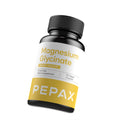
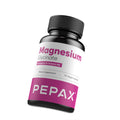
Magnesium glycinate is often preferred in a longevity supplement stack because glycine itself has independent calming neurotransmitter effects and the chelate shows high absorption and minimal gastrointestinal disturbance. Taking magnesium in the evening aligns with its role in supporting GABAergic tone and improving sleep quality, an underappreciated pillar of healthy aging. For more on this specific application, see our deeper dive on magnesium glycinate for sleep, dosage, and timing.
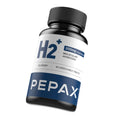
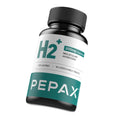
Hydrogen water is best consumed freshly prepared, as molecular hydrogen dissipates rapidly. Tablets that generate H2 when dropped into water can provide a concentration of 0.6–1.6 mg/L, falling within the range used in Ohsawa et al. (2007) and subsequent studies. To maintain tissue exposure, splitting intake into 2–3 glasses throughout the day, preferably between meals, is a pragmatic approach. The antioxidant effects of H2 are believed to be transient and signaling-mediated, so consistent daily use matters more than megadosing.
Who Benefits Most from This Longevity Supplement Stack?
No single protocol fits everyone, but the existing data point to specific populations where the combination may offer the highest potential return on investment. The first clear demographic is adults over 40. NAD+ levels have been shown to decline by up to 50% between ages 40 and 60 in human tissues, while magnesium intake surveys consistently find that older adults fail to meet the RDA of 310–420 mg/day (Gréber et al., 2015). A longevity supplement stack that replenishes both a critical coenzyme and a key mineral addresses two well-documented age-related deficits simultaneously.
Individuals with metabolic syndrome features—central adiposity, insulin resistance, elevated triglycerides—are another group where mechanistic overlap is strong. Mills et al. (2016) highlighted that NMN improved insulin sensitivity and hepatic lipid metabolism in aged mice, while Gréber et al. (2015) emphasized magnesium’s role in glucose transport and pancreatic beta-cell function. Oxidative stress is a hallmark of metabolic dysfunction, and the selective antioxidant properties of hydrogen water (Ohsawa et al., 2007) may provide additional redox support, though human metabolic outcomes for H2 remain preliminary.
People exposed to high oxidative stress or with a history of chronic inflammation—including athletes undergoing intense training, those recovering from illness, or individuals with environmental exposures—may also find value. Hydrogen water’s ability to reduce markers like 8-OHdG and inflammatory cytokines has been documented in small human studies referenced in subsequent reviews. In this context, the stack becomes a broad cellular defense strategy rather than an anti-aging pursuit alone.
It is equally important to recognize who may not need a full longevity supplement stack. Young adults with robust endogenous NAD+, adequate dietary magnesium, and low oxidative stress are unlikely to see measurable gains. For them, focusing on diet, sleep, and exercise remains the highest-yield intervention. As with any protocol, those with kidney disease or those taking medications that alter electrolyte balance should consult a clinician before adding magnesium or altering micronutrient intake.
Practical Takeaways for a Longevity Supplement Stack
Building a daily regimen from the evidence requires looking past marketing noise. Here are six actionable points drawn from the data discussed above:
- Start with a firm mineral foundation. Optimizing magnesium status alone can improve dozens of biomarkers. Aim for 200–400 mg of elemental magnesium daily from a bioavailable form such as magnesium glycinate, taken with the evening meal to support sleep and circadian rhythms. Gréber et al. (2015) provide a thorough evidence map for this approach.
- Layer in NMN for NAD+ support. Most preclinical and emerging human data point to a daily dose of 250–500 mg. A 500 mg NMN capsule, like PEPAX NMN, approximates the lower end of the allometrically scaled dose from Mills et al. (2016) and simplifies tracking. Splitting the dose can help maintain steady NAD+ metabolite levels.
- Add hydrogen water as a redox modulator. Use tablets that produce a dissolved H2 concentration of at least 0.5 mg/L. Prepare and consume immediately, aiming for 2–3 glasses spaced across the day. Ohsawa et al. (2007) established the selectivity advantage; newer reviews suggest keeping daily H2 intake consistent rather than acute.
- Track subjective and objective changes. The response to any longevity supplement stack is individual. Sleep quality, daytime energy, fasting glucose, and hs-CRP are low-cost markers that can be monitored. Documenting baseline values before starting and rechecking at 8–12 weeks provides personal evidence.
- Don’t neglect the foundational behaviors. Dietary magnesium from leafy greens, nuts, and seeds; regular exercise that triggers mitochondrial biogenesis; and circadian-aligned light exposure all amplify the effects of supplements. The stack is a supplement, not a substitute for lifestyle medicine. For an updated look at the clinical landscape, read our article on NMN supplements in 2026 and the latest science on NAD.
- Reassess annually. As human longevity trials mature, dosing recommendations and component prioritization will shift. A stack that made sense based on 2016–2017 data may be refined by newer clinical endpoints. Staying flexible and evidence-driven is itself a longevity strategy.
Bottom Line on the Evidence-Based Longevity Supplement Stack
The combination of NMN, magnesium, and hydrogen water represents a rationally designed, mechanism-grounded longevity supplement stack that addresses multiple aging hallmarks without requiring dozens of pills. Magnesium is the backbone, supported by decades of human data; NMN adds a targeted NAD+ repletion strategy based on compelling animal work and early clinical signals; hydrogen water provides a low-risk, redox-modulating layer that may incrementally improve cellular resilience. Long-term human RCTs that tie these interventions to extended healthspan are still missing, but for the educated, skeptical adult who demands biological coherence and acknowledges uncertainty, this stack is one of the most defensible protocols currently available.
References
- López-Otín C, et al. "The Hallmarks of Aging." Cell. 2013;153(6):1194–1217. [Source]
- Fang EF, et al. "NAD+ in Aging: Molecular Mechanisms and Translational Implications." Trends in Molecular Medicine. 2017;23(10):899–916. [Source]
- Mills KF, et al. "Long-Term Administration of Nicotinamide Mononucleotide Mitigates Age-Associated Physiological Decline in Mice." Cell Metabolism. 2016;24(6):795–806. [Source]
- Gröber U, et al. "Magnesium in Prevention and Therapy." Nutrients. 2015;7(9):8199–8226. [Source]
- Ohsawa I, et al. "Hydrogen acts as a therapeutic antioxidant by selectively reducing cytotoxic oxygen radicals." Nature Medicine. 2007;13(6):688–694. [Source]
Featured Product
PEPAX NMNClinical-dose NMN 500mg · NAD+ precursor · third-party tested · cGMP certified
Shop Now →