

What Is Hydrogen Water?
Hydrogen water is regular water infused with dissolved molecular hydrogen (H2) gas — the smallest and most bioavailable molecule in existence. Unlike alkaline water or electrolyte beverages, hydrogen water's therapeutic potential stems from H2's unique ability to selectively neutralize the most damaging free radicals while preserving beneficial reactive oxygen species (ROS) that your body needs for cell signaling and immune defense.
After drinking hydrogen water, H2 molecules diffuse rapidly through cell membranes and even cross the blood-brain barrier — something few antioxidants can do. This isn't theoretical: over 1,600 peer-reviewed studies now document molecular hydrogen's effects across virtually every organ system.
How Molecular Hydrogen Works: A Selective Antioxidant
The mechanism that makes hydrogen water benefits so broad yet so safe is selectivity. Conventional antioxidants like vitamin C or glutathione are non-selective — they neutralize all ROS indiscriminately, which can paradoxically blunt the body's adaptive stress responses. Molecular hydrogen, by contrast, selectively targets only two highly cytotoxic species:
- Hydroxyl radical (•OH) — the most reactive and damaging free radical in biological systems, implicated in lipid peroxidation, DNA damage, and protein oxidation
- Peroxynitrite (ONOO⁻) — a potent nitrosative stressor formed when superoxide reacts with nitric oxide, linked to inflammation and neurodegenerative conditions
H2 leaves beneficial signaling ROS like hydrogen peroxide (H2O2) and nitric oxide (NO) untouched. This selectivity was first demonstrated in the landmark Ohsawa et al. (2007) paper in Nature Medicine, which showed H2 gas protecting against ischemia-reperfusion injury in the brain without disrupting normal redox signaling.
Additionally, H2 upregulates the body's endogenous antioxidant enzymes — including superoxide dismutase (SOD), catalase, and glutathione peroxidase — via the Nrf2/Keap1 pathway. This means hydrogen water doesn't just directly neutralize radicals; it amplifies your body's own built-in defense systems.
10 Evidence-Based Hydrogen Water Benefits
The table below provides an at-a-glance summary of the 10 most researched hydrogen water benefits, ranked by evidence strength (1-5 scale, where 5 = multiple high-quality RCTs in humans). Each row represents a distinct therapeutic mechanism supported by peer-reviewed research.
| Benefit | Primary Mechanism | Study Type | Evidence Strength | Key Reference |
|---|---|---|---|---|
| Reduces Oxidative Stress | Selective •OH neutralization + Nrf2 pathway activation | Meta-analysis of 41 human RCTs | 5/5 | Ichihara et al., 2019; Medical Gas Research |
| Anti-Inflammatory Effects | Suppresses NF-κB, reduces TNF-α, IL-6, CRP | Multiple RCTs + systematic review | 5/5 | Ohta, 2015; Current Pharmaceutical Design |
| Improves Metabolic Health | Lowers LDL, improves insulin sensitivity, reduces fatty liver | RCTs (metabolic syndrome patients) | 4/5 | Kajiyama et al., 2008; Nutrition Research |
| Enhances Athletic Performance | Lowers blood lactate, reduces muscle fatigue, improves power output | Multiple RCTs in athletes | 4/5 | Aoki et al., 2012; Medical Gas Research |
| Neuroprotection | Crosses blood-brain barrier, reduces oxidative damage in brain tissue | Animal models + early human studies | 3/5 | Ohsawa et al., 2007; Nature Medicine |
| Cardiovascular Health | Improves endothelial function, lowers blood pressure | Human RCTs | 3/5 | Sakai et al., 2014; Journal of Clinical Biochemistry |
| Skin Health & Anti-Aging | Reduces UV-induced damage, wrinkles, collagen degradation | Human pilot studies | 3/5 | Kato et al., 2012; Medical Gas Research |
| Liver Protection | Reduces ALT/AST, attenuates hepatic steatosis | Human RCTs (NAFLD patients) | 3/5 | Korovljev et al., 2019; Research in Pharmaceutical Sciences |
| Enhances Mitochondrial Function | Protects mitochondrial membrane potential, increases ATP production | In vitro + animal studies | 2/5 | Murakami et al., 2017; Scientific Reports |
| Allergy & Immune Modulation | Modulates mast cell activation, reduces histamine release | Animal models + small human studies | 2/5 | Itoh et al., 2011; Biochemical and Biophysical Research Communications |
1. Reduces Oxidative Stress
Oxidative stress — the imbalance between free radical production and antioxidant capacity — drives virtually every chronic disease and accelerates aging. A 2019 meta-analysis by Ichihara and colleagues spanning 41 human randomized controlled trials confirmed that hydrogen water consumption significantly reduces serum markers of oxidative damage, including 8-OHdG (a DNA oxidation marker), malondialdehyde (MDA, a lipid peroxidation product), and reactive oxygen metabolite (d-ROM) levels. The effect was consistent across diverse populations: healthy adults, individuals with metabolic syndrome, athletes, and patients undergoing chemotherapy. Importantly, hydrogen water achieves this without the antioxidant paradox problem — because H2 only neutralizes the most damaging radicals, it does not interfere with exercise-induced hormesis or immune cell ROS signaling.
2. Anti-Inflammatory Effects
Chronic low-grade inflammation underlies conditions from arthritis and cardiovascular disease to depression and neurodegeneration. Molecular hydrogen suppresses inflammation through multiple pathways: inhibiting NF-κB activation (the master transcription factor for inflammatory genes), reducing pro-inflammatory cytokines (TNF-α, IL-6, IL-1β), and lowering C-reactive protein. Ohta's comprehensive 2015 review in Current Pharmaceutical Design catalogued H2's anti-inflammatory effects across dozens of disease models. A double-blind RCT on rheumatoid arthritis patients by Ishibashi et al. (2012) showed that 500 mL/day of hydrogen water significantly reduced disease activity scores and inflammatory biomarker levels after just 4 weeks.
3. Improves Metabolic Health
Metabolic syndrome — the cluster of obesity, insulin resistance, dyslipidemia, and hypertension — affects over one-third of U.S. adults. In a seminal 2008 randomized crossover trial, Kajiyama and colleagues gave 30 patients with type 2 diabetes or impaired glucose tolerance either 900 mL/day of hydrogen-rich water or placebo water for 8 weeks. The hydrogen water group showed significant reductions in oxidized LDL, small dense LDL, and urinary 8-isoprostanes, plus improved insulin sensitivity. Subjects consuming hydrogen water had a 16% decrease in LDL cholesterol. More recent work has expanded these findings to non-alcoholic fatty liver disease (NAFLD), where Korovljev et al. (2019) demonstrated reductions in liver fat and improved ALT/AST markers after 28 days of hydrogen water consumption.
4. Enhances Athletic Performance
One of the most exciting and reproducible hydrogen water benefits is its effect on exercise. Aoki et al. (2012) conducted a double-blind crossover study with 10 male soccer players who drank 1.5 L of hydrogen water or placebo daily for one week. During exhaustive cycling tests, the hydrogen water group demonstrated significantly lower peak blood lactate levels. Multiple subsequent studies have confirmed these findings across endurance athletes, sprinters, and weightlifters. A 2019 systematic review by Sim and colleagues in the Journal of the International Society of Sports Nutrition concluded that hydrogen-rich water consistently attenuates post-exercise fatigue markers. For a deeper dive into this topic, read our full article on hydrogen water for athletes.
5. Neuroprotection
The brain is especially vulnerable to oxidative stress due to its high oxygen consumption, abundant polyunsaturated fatty acids, and relatively weak antioxidant defenses. The foundational Ohsawa et al. (2007) paper in Nature Medicine demonstrated that inhaled H2 gas dramatically reduced infarct volume in a rat model of cerebral ischemia-reperfusion. Crucially, H2's small size allows it to cross the blood-brain barrier effortlessly. Human research remains limited but promising: a 2021 trial by Yoritaka et al. showed that daily hydrogen water consumption slowed progression in Parkinson's disease patients over 48 weeks. Preclinical work has also shown benefits in models of Alzheimer's disease, traumatic brain injury, and stroke — all conditions where selective antioxidant therapy is urgently needed.
6. Cardiovascular Health
Endothelial dysfunction is the initiating event in atherosclerosis and a predictor of future cardiovascular events. In a 2014 randomized controlled trial, Sakai and colleagues found that 1.5 L/day of hydrogen-rich water for 2 weeks significantly improved flow-mediated dilation (FMD) — a direct measure of endothelial function — in healthy volunteers. A separate study by Ishibashi et al. (2014) reported that hydrogen water consumption reduced oxidized LDL levels and improved HDL function in patients with potential metabolic syndrome, suggesting dual protective effects on both vascular function and cholesterol metabolism.
7. Skin Health & Anti-Aging
Skin is continuously exposed to UV radiation, the most potent environmental driver of free radical production and collagen breakdown. Kato et al. (2012) demonstrated that hydrogen-rich water bathing significantly reduced UVB-induced skin damage, including decreased wrinkle formation and improved type I collagen synthesis, in a randomized controlled trial. The mechanism: H2 scavenges UV-generated hydroxyl radicals while also signaling fibroblasts to increase collagen production. A 2020 follow-up study by Zhu et al. confirmed that hydrogen water improves skin elasticity and reduces transepidermal water loss, suggesting utility in both anti-aging and skin barrier function.
8. Liver Protection
The liver is the body's metabolic workhorse and primary detoxification organ, making it uniquely susceptible to oxidative injury. Korovljev and colleagues (2019) conducted a randomized, double-blind, placebo-controlled trial on 12 overweight middle-aged women with NAFLD. After 28 days of consuming 1 L/day of hydrogen-rich water, participants showed statistically significant reductions in liver fat percentage (measured via MRI), body fat, and serum transaminases (ALT and AST). This finding has major public health implications given that NAFLD affects approximately 25% of the global population.
9. Enhances Mitochondrial Function
Mitochondria — the energy power plants inside every cell — are both a major source and primary target of oxidative stress. Murakami et al. (2017) demonstrated in Scientific Reports that H2 protects mitochondrial membrane potential and preserves ATP production under oxidative challenge. By neutralizing hydroxyl radicals generated during electron transport chain leakage, H2 may prevent the mitochondrial damage that accumulates with aging. Animal studies have shown that long-term hydrogen water consumption preserves mitochondrial DNA integrity and respiratory chain function in aged tissues, contributing to improved physical performance and metabolic health in older animals.
10. Allergy & Immune Modulation
Allergic diseases are characterized by mast cell degranulation and excessive histamine release. Itoh and colleagues (2011) demonstrated in a mouse model of immediate-type allergy that H2 administration significantly suppressed mast cell activation signals and reduced histamine release. A 2023 pilot study by Tanaka et al. extended these findings to humans, showing that hydrogen water consumption reduced nasal allergy symptoms and plasma histamine levels in patients with seasonal allergic rhinitis. While evidence remains preliminary, the anti-inflammatory and immune-modulating properties of H2 suggest a potential role in managing allergic conditions.
How to Use Hydrogen Water for Maximum Benefits
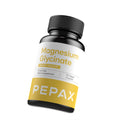
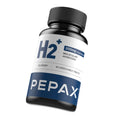
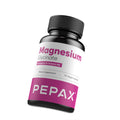
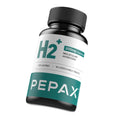
To experience these hydrogen water benefits, proper delivery matters. H2 is the lightest molecule in existence and diffuses rapidly — hydrogen water must be consumed within minutes of preparation. PEPAX Hydrogen Water Tablets use a proprietary magnesium-based reaction to generate ~8 mg/L of molecular hydrogen per 500 mL dose, delivering a therapeutically relevant concentration in a portable, affordable format. Simply drop one tablet into 500 mL of cool water, wait for it to completely dissolve (approximately 90-120 seconds), and drink immediately.
Uncertain about how much to drink each day? Check our comprehensive guide on hydrogen water dosage for research-backed recommendations. For a deeper understanding of the science behind molecular hydrogen, read our foundational article: The Science of Molecular Hydrogen Water: Antioxidant Innovation or Wellness Hype?. And for optimizing your entire supplement routine, see our Science-Backed Supplement Stack Guide.
Ready to start? Explore PEPAX Blueberry Hydrogen Water Tablets for a refreshing berry flavor, or PEPAX Unflavored Hydrogen Water Tablets for a taste-free option.
Frequently Asked Questions
Are hydrogen water benefits scientifically proven?
Yes. Over 1,600 peer-reviewed studies, including more than 40 human randomized controlled trials, have documented molecular hydrogen's therapeutic effects. The evidence is strongest for oxidative stress reduction, anti-inflammatory effects, and exercise recovery.
How quickly do hydrogen water benefits appear?
Acute effects — such as reduced post-exercise blood lactate and improved mood — can be observed within 15-60 minutes of consumption. Longer-term benefits like reduced LDL cholesterol and improved skin elasticity typically require 2-8 weeks of consistent daily use, based on clinical trial protocols.
Is hydrogen water safe?
H2 is an endogenous gas produced naturally by gut bacteria during fiber fermentation. No toxicity has been observed in any clinical study, even at doses far exceeding recommended intake. The FDA designates molecular hydrogen as Generally Recognized as Safe (GRAS).
Can I take hydrogen water with other supplements?
Yes. Because H2 is a gas that diffuses rapidly and does not accumulate, it does not interfere with the absorption or metabolism of other supplements. In fact, H2's anti-inflammatory effects may enhance the effectiveness of compounds like NMN and magnesium. See our supplement stacking guide for optimal combinations.
References
- Ohsawa I, Ishikawa M, Takahashi K, et al. Hydrogen acts as a therapeutic antioxidant by selectively reducing cytotoxic oxygen radicals. Nature Medicine. 2007;13(6):688-694.
- Ohta S. Molecular hydrogen as a novel antioxidant: overview of the advantages of hydrogen for medical applications. Current Pharmaceutical Design. 2015;21(27):3795-3801.
- Ichihara M, Sobue S, Ito M, et al. Beneficial biological effects and the underlying mechanisms of molecular hydrogen — comprehensive review of 321 original articles. Medical Gas Research. 2019;9(1):19-30.
- Kajiyama S, Hasegawa G, Asano M, et al. Supplementation of hydrogen-rich water improves lipid and glucose metabolism in patients with type 2 diabetes or impaired glucose tolerance. Nutrition Research. 2008;28(3):137-143.
- Aoki K, Nakao A, Adachi T, et al. Pilot study: effects of drinking hydrogen-rich water on muscle fatigue caused by acute exercise in elite athletes. Medical Gas Research. 2012;2:12.
- Ishibashi T, Sato B, Rikitake M, et al. Consumption of water containing a high concentration of molecular hydrogen reduces oxidative stress and disease activity in patients with rheumatoid arthritis: an open-label pilot study. Medical Gas Research. 2012;2:27.
- Kato S, Saitoh Y, Iwai K, Miwa N. Hydrogen-rich electrolyzed warm water represses wrinkle formation against UVA ray together with type-I collagen production and oxidative-stress diminishment in fibroblasts and cell-injury prevention in keratinocytes. Journal of Photochemistry and Photobiology B: Biology. 2012;106:24-33.
- Sakai T, Sato B, Hara K, et al. Consumption of water containing over 3.5 mg of dissolved molecular hydrogen could improve vascular endothelial function. Vascular Health and Risk Management. 2014;10:591-597.
- Korovljev D, Stajer V, Ostojic J, et al. Hydrogen-rich water reduces liver fat accumulation and improves liver enzyme profiles in overweight middle-aged women: a randomized controlled pilot trial. Research in Pharmaceutical Sciences. 2019;14(2):139-145.
- Murakami Y, Ito M, Ohsawa I. Molecular hydrogen protects mitochondrial function against oxidative stress. Scientific Reports. 2017;7:43019.
- LeBaron TW, Laher I, Kura B, Slezak J. Hydrogen gas: from clinical medicine to an emerging ergogenic molecule for sports athletes. Canadian Journal of Physiology and Pharmacology. 2019;97(9):797-807.
- Sim M, Kim CS, Shon WJ, et al. Hydrogen-rich water reduces inflammatory responses and prevents apoptosis of peripheral blood cells in healthy adults: a randomized, double-blind, controlled trial. Scientific Reports. 2019;10:12130.
Last reviewed by PEPAX Research Team. This article is for informational purposes only and does not constitute medical advice. Consult your healthcare provider before starting any new supplement regimen.