


Most longevity supplements have favorable interaction profiles, but specific combinations — NMN with blood thinners, magnesium with certain antibiotics, high-dose antioxidants with chemotherapy — require awareness. This guide covers what research actually shows about stacking safety.
Supplement stacking safety is the practice of combining multiple dietary supplements in a way that maximizes potential benefits while minimizing unintended interactions. As more adults over 35 begin combining nicotinamide mononucleotide (NMN), magnesium, and molecular hydrogen (H2) in the same regimen, the question is no longer whether people stack these compounds—it is whether they are doing so with appropriate attention to evidence, dosing, and individual risk factors. This article examines what the clinical and preclinical literature actually shows about combining these three agents, with a focus on mechanisms, known interactions, and practical guidance.
Supplement Stacking Safety: What the Research Landscape Looks Like
Direct clinical trials testing NMN, magnesium, and H2 together do not currently exist. The evidence base is composed of parallel, single-compound studies in humans, plus mechanistic and animal work that helps explain how these molecules might interact at the physiological level. This matters for supplement stacking safety because absence of interaction data is not the same as evidence of safety.
Most human NMN studies to date are small-scale, short-duration trials in middle-aged and older adults. Irie et al. (2020) reported that 500 mg NMN daily for 10 weeks improved gait speed and grip strength in older women, while Yoshino et al. (2021) found that 250 mg NMN daily for 10 weeks enhanced insulin sensitivity in women with overweight or obesity. These studies establish tolerability in isolation, but they do not address co-administration with magnesium glycinate or hydrogen water tablets.
Magnesium has a far larger human evidence base. Gröber et al. (2015) reviewed magnesium in prevention and therapy, noting that supplementation at 200–400 mg elemental magnesium daily has been studied across sleep quality, blood pressure, muscle cramp, and mood outcomes. Most forms—glycinate, citrate, oxide—are well tolerated, though bioavailability and gastrointestinal effects vary. Magnesium is not known to have direct pharmacokinetic interactions with NMN or H2, but high-dose magnesium can cause diarrhea and may alter absorption timing of other compounds taken simultaneously.
Hydrogen gas and hydrogen-rich water have been studied primarily in Japanese and Chinese trials, often with small sample sizes and short durations. Ohsawa et al. (2007) demonstrated in a rat model that inhaled hydrogen selectively reduced cytotoxic oxygen radicals, providing the foundational mechanistic rationale for H2 as a selective antioxidant. Human trials since then have used hydrogen-rich water at concentrations typically ranging from 0.5 to 1.6 ppm, or hydrogen gas inhalation at 1–4% concentrations. These studies suggest tolerability but do not resolve how H2 interacts with NAD+ precursors or magnesium in vivo.
Supplement Stacking Safety and the Mechanisms of NMN, Magnesium, and H2
Understanding supplement stacking safety requires distinguishing the three distinct mechanisms these compounds target. They are not redundant, but they do converge on cellular energy metabolism, oxidative stress, and inflammatory signaling.
NMN is a direct precursor to nicotinamide adenine dinucleotide (NAD+). NAD+ is a coenzyme for sirtuins, poly(ADP-ribose) polymerases (PARPs), and oxidized NAD+-dependent enzymes involved in glycolysis and oxidative phosphorylation. Fang et al. (2017) summarized the evidence that NAD+ declines with age across multiple tissues and that restoring NAD+ biosynthesis—through precursors such as NMN or nicotinamide riboside (NR)—improves mitochondrial function in preclinical models. Mills et al. (2016) showed that long-term NMN administration in mice mitigated age-associated physiological decline, including improved energy metabolism, insulin sensitivity, and physical activity. These findings are preclinical; human data on long-term NMN effects remain limited.
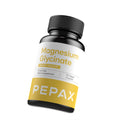
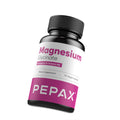
Magnesium operates through a different but complementary set of pathways. As a cofactor for over 300 enzymatic reactions, magnesium is required for ATP utilization, DNA repair, muscle contraction, and GABAergic neurotransmission. Magnesium glycinate specifically provides elemental magnesium bound to glycine, an inhibitory neurotransmitter that may contribute to the form's association with sleep and relaxation outcomes. Magnesium does not directly influence NAD+ synthesis, but it supports the ATP-dependent processes that NAD+ metabolism ultimately serves.
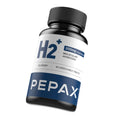
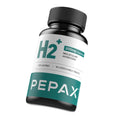
Molecular hydrogen is the smallest neutral molecule and can diffuse across cell membranes into mitochondria and nuclei. Ohsawa et al. (2007) proposed that H2 selectively reduces the hydroxyl radical (·OH) and peroxynitrite (ONOO−), two highly reactive species, without disrupting physiologically important reactive oxygen species such as hydrogen peroxide. This selectivity distinguishes H2 from conventional antioxidants. Because NAD+ metabolism and mitochondrial respiration are both modulated by oxidative stress, H2 and NMN may theoretically converge on mitochondrial health through different entry points—NAD+ availability versus oxidative burden.
There is no published evidence of a direct biochemical antagonism among these three agents. NMN is absorbed in the small intestine and converted to NAD+ in tissues. Magnesium is absorbed primarily in the small intestine via both passive and active transport. H2 is absorbed by diffusion across the gut and pulmonary epithelia. Their absorption routes do not compete in a manner that has been documented to reduce bioavailability.
Supplement Stacking Safety: Dosing, Forms, and Timing Comparison
Practical supplement stacking safety depends heavily on dose, form, and timing. The table below summarizes the typical research-supported ranges for each compound, along with the evidence tier behind each.
| Compound | Common Research Dose | Typical Form | Primary Evidence Base | Key Limitations |
|---|---|---|---|---|
| NMN | 250–500 mg/day | Capsule or powder | Small human RCTs; extensive mouse data | Long-term human safety data limited |
| Magnesium (elemental) | 200–400 mg/day | Glycinate, citrate, oxide | Large human RCT and meta-analysis literature | Bioavailability varies by form |
| Molecular hydrogen (H2) | 0.5–1.6 ppm H2-rich water; 1–4% inhaled gas | Effervescent tablets, hydrogen water, inhalation | Small human trials; strong preclinical rationale | Dose standardization across products is inconsistent |
For adults considering a stack, timing can be as important as dose. NMN is often taken in the morning because NAD+ levels follow circadian rhythms and because some users report subtle alerting effects. Magnesium glycinate is commonly taken in the evening due to its association with sleep and muscle relaxation. Hydrogen water can be consumed with or without food, though effervescent tablets should be fully dissolved before ingestion to allow H2 release in water rather than in the stomach.
Spacing magnesium and NMN by 1–2 hours is a reasonable precaution, not because a dangerous interaction is documented, but because high mineral loads can occasionally alter gastrointestinal transit and absorption of other compounds. This is especially relevant if using magnesium oxide, which has lower bioavailability and higher laxative potential than magnesium glycinate. Individuals using NMN safety and side effects guidance should also monitor how they respond when introducing magnesium or H2 into an existing NMN protocol.
Supplement Stacking Safety: Who Benefits Most From This Combination
The adults most likely to benefit from careful stacking of NMN, magnesium, and H2 are those with age-related declines in energy metabolism, sleep quality, or recovery capacity—provided they have realistic expectations about the evidence quality. This is not a universal longevity formula; it is a targeted combination with mechanistic plausibility and preliminary human data.
Middle-aged and older adults are the population studied most often in NMN trials. Irie et al. (2020) used women aged 65–75, while Yoshino et al. (2021) focused on postmenopausal women with prediabetes. These populations showed improvements in physical function and insulin sensitivity, respectively, at 250–500 mg NMN daily. Men and younger adults have been studied less extensively.
People with suboptimal magnesium status may benefit from magnesium glycinate supplementation regardless of whether they take NMN or H2. Gröber et al. (2015) noted that dietary magnesium intake is often below recommended levels in Western populations, particularly among older adults, individuals with gastrointestinal disorders, and those using proton pump inhibitors chronically. Correcting magnesium deficiency can improve sleep latency, muscle function, and blood pressure regulation—outcomes that complement but do not depend on NAD+ enhancement.
Hydrogen water may appeal most to individuals experiencing high oxidative stress loads, such as athletes, people recovering from intense physical training, or those with chronic inflammatory conditions. However, human trial sizes are small, and endpoints vary widely. Anyone considering a longevity supplement stack should recognize that the combination of NMN + magnesium + H2 is supported by parallel single-agent studies, not by a direct clinical trial of the three together.
Supplement Stacking Safety: Practical Takeaways
Based on the current evidence, here are concrete steps for stacking these compounds responsibly:
- Start one compound at a time and assess tolerance for 2–4 weeks before adding the next. This makes it easier to attribute any side effect to the correct agent.
- Use NMN at 250–500 mg daily, the range most commonly studied in human trials. Products such as PEPAX NMN provide 500 mg per capsule, matching the upper end of the research-supported range.
- Choose magnesium glycinate for evening use if sleep and relaxation are goals, and keep elemental magnesium intake in the 200–400 mg range unless a clinician advises otherwise.
- Take magnesium and NMN 1–2 hours apart to minimize any gastrointestinal interaction, especially when first introducing the stack.
- Use hydrogen water tablets according to the manufacturer's dissolution instructions; do not swallow effervescent tablets whole, and consume shortly after preparation to preserve H2 concentration.
- Review magnesium and vitamin K2 guidance if your stack also includes vitamin D or K2, since these nutrients interact in calcium metabolism.
- Prioritize products with transparent third-party testing and cGMP manufacturing. See our overview of third-party testing and cGMP for what to look for on a certificate of analysis.
Supplement Stacking Safety: Bottom Line
Combining NMN, magnesium, and H2 is mechanistically plausible and appears tolerable based on parallel single-agent data, but no published trial has tested this specific trio in humans. Most human studies to date are small-scale, and long-term interaction data are absent. For adults who approach stacking methodically—starting low, spacing doses, and choosing quality-assured products—the combination can be a reasonable part of a broader health strategy, not a substitute for clinical care.
References
- López-Otín C, et al. "The Hallmarks of Aging." Cell. 2013;153(6):1194–1217. [Source]
- Fang EF, et al. "NAD+ in Aging: Molecular Mechanisms and Translational Implications." Trends in Molecular Medicine. 2017;23(10):899–916. [Source]
- Mills KF, et al. "Long-Term Administration of Nicotinamide Mononucleotide Mitigates Age-Associated Physiological Decline in Mice." Cell Metabolism. 2016;24(6):795–806. [Source]
- Gröber U, et al. "Magnesium in Prevention and Therapy." Nutrients. 2015;7(9):8199–8226. [Source]
- Ohsawa I, et al. "Hydrogen acts as a therapeutic antioxidant by selectively reducing cytotoxic oxygen radicals." Nature Medicine. 2007;13(6):688–694. [Source]
Featured Product
PEPAX NMNClinical-dose NMN 500mg · NAD+ precursor · third-party tested · cGMP certified
Shop Now →