




Vitamin B6 and homocysteine research shows this nutrient's role in methylation and transsulfuration pathways that regulate cardiovascular risk markers.
Vitamin b6 and homocysteine matter clinically because elevated plasma homocysteine has long been studied as a cardiovascular risk marker, while vitamin B6 is required for one of the pathways that helps metabolize it. The biological relationship is well established; the harder question is whether changing vitamin B6 intake lowers cardiovascular events in people. Current evidence supports correcting deficiency and interpreting homocysteine in clinical context, but it does not support treating vitamin B6 as a stand-alone cardiovascular therapy.
Vitamin B6 and Homocysteine: What the Research Landscape Actually Shows
Vitamin B6 is a cofactor for homocysteine disposal, but biochemical plausibility is not the same as proven cardiovascular benefit. Most of the directly relevant evidence is mechanistic, observational, or based on nutrition-status research rather than large randomized trials designed to show fewer heart attacks or strokes. This distinction matters because homocysteine can rise alongside kidney dysfunction, poor diet quality, inflammation, smoking, certain medications, and deficiencies of folate, vitamin B12, or vitamin B6.
Vitamin B6 is a family of related compounds, including pyridoxine and its active coenzyme form, pyridoxal 5'-phosphate (PLP). In clinical nutrition, plasma PLP is commonly used as a marker of vitamin B6 status. Stach et al. (2021) describes vitamin B6 as essential for amino-acid metabolism, neurotransmitter synthesis, immune function, and one-carbon-related pathways; low status can therefore have consequences that extend beyond a single laboratory value.
For cardiovascular interpretation, homocysteine should be viewed as a risk-associated biomarker, not a diagnosis. Higher concentrations are associated with vascular risk in many observational datasets, but association does not prove that homocysteine itself is the cause of every adverse outcome. A person with elevated homocysteine may need assessment of renal function, vitamin B12 and folate status, dietary pattern, alcohol use, medications, and—in selected cases—genetic or metabolic disorders.
The cited literature available here does not provide a large cardiovascular-outcomes randomized controlled trial demonstrating that vitamin B6 alone reduces myocardial infarction, stroke, or cardiovascular mortality. That absence is important evidence, not a technicality. When evaluating vitamin b6 and homocysteine, the most defensible conclusion is that vitamin B6 supports normal metabolism and deficiency correction may improve an abnormal nutritional contributor, while event prevention requires broader risk management.
How Vitamin B6 and Homocysteine Are Connected Biochemically
Vitamin B6 helps convert homocysteine through the transsulfuration pathway. Homocysteine sits at a metabolic branch point. It can be remethylated back toward methionine in a pathway dependent primarily on folate and vitamin B12, or it can enter transsulfuration, where it is converted through cystathionine toward cysteine.
The transsulfuration enzymes cystathionine beta-synthase and cystathionine gamma-lyase require PLP, the active coenzyme form of vitamin B6. In practical terms, inadequate B6 status can constrain this route for homocysteine metabolism. That does not mean every elevated homocysteine result is caused by low B6, nor does it mean that high-dose pyridoxine will normalize every result.
This pathway also helps explain why a single-nutrient approach can be incomplete. Homocysteine metabolism depends on multiple nutrient systems: folate and vitamin B12 are central to remethylation, while vitamin B6 supports transsulfuration. A normal or high vitamin B6 intake cannot compensate for untreated vitamin B12 deficiency, and taking folate without considering B12 status can complicate clinical interpretation.
Vitamin B6 biology also intersects with inflammation and vascular health through broader amino-acid and immune pathways. Stach et al. (2021) reviews evidence that low B6 status is seen in several disease states, although low circulating PLP may partly reflect inflammation or altered metabolism rather than simple low intake. That limitation means a low biomarker should prompt context-sensitive assessment, not automatic assumptions about cause.
Magnesium is relevant to cardiovascular health through different mechanisms, including vascular tone, glucose metabolism, electrolyte balance, and blood-pressure regulation. Magnesium deficiency has been discussed as a potential contributor to cardiovascular risk, although magnesium and B6 should not be presented as interchangeable treatments for elevated homocysteine. For a separate evidence review, see Magnesium and Blood Pressure: Cardiovascular Evidence and Optimal Dosage.
Vitamin B6 and Homocysteine Doses, Forms, and Safety Limits
The appropriate vitamin B6 dose depends on whether the goal is meeting nutritional needs, correcting documented low status, or treating a clinician-identified condition. Pyridoxine hydrochloride is the common supplemental form; PLP is another form found in some products. The biochemical pathway requires PLP, but the presence of an “active” form on a label does not by itself establish superior cardiovascular outcomes.
| Clinical context | Relevant nutrient consideration | What the evidence supports | Important limitation |
|---|---|---|---|
| General dietary adequacy | Vitamin B6 from food and, if needed, modest supplementation | Supports normal PLP-dependent metabolism, including transsulfuration | Does not prove reduced cardiovascular events |
| Elevated homocysteine | Assess B6, folate, vitamin B12, renal function, diet, and medications | Identifies potentially correctable contributors | One nutrient may not explain the result |
| Low plasma PLP or suspected B6 deficiency | Clinician-guided correction with follow-up | Addresses a documented nutritional abnormality | Low PLP can be influenced by inflammation and illness |
| Cardiovascular prevention | Blood pressure, lipids, diabetes, smoking, diet, activity, and prescribed therapy | Targets established modifiable risk factors | B6 alone is not established as a preventive treatment |
Adult vitamin B6 requirements are generally measured in milligrams per day, whereas therapeutic products can contain far more. More is not inherently better. Chronic exposure to excessive supplemental pyridoxine has been associated with peripheral neuropathy, which can present as numbness, tingling, burning sensations, impaired balance, or altered sensation. Stach et al. (2021) discusses both the importance of B6 and the concern that high supplemental intakes may be harmful.
For that reason, a supplement should not be selected solely because it contains a large B6 number. Review the total from multivitamins, energy products, pre-workout formulas, sleep products, and individual B-complex supplements. If a clinician is investigating elevated homocysteine, ask whether repeat testing, fasting status, vitamin B12 markers, folate, creatinine or estimated glomerular filtration rate, and medication review are appropriate.
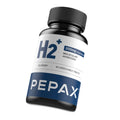
Some people prefer a combination formula when they are addressing several nutritional priorities rather than homocysteine alone. PEPAX Magnesium Glycinate with Astragalus & B6 combines magnesium glycinate with vitamin B6 and astragalus, but it should be understood as a dietary supplement—not as treatment for hyperhomocysteinemia or cardiovascular disease. The evidence for magnesium and astragalus should be evaluated separately from the vitamin B6 transsulfuration mechanism; see Magnesium and Astragalus Together: Evidence for This Adaptogen Combination.
Who May Benefit Most From Evaluating Vitamin B6 and Homocysteine?
The people most likely to benefit are those with an elevated laboratory value or a credible risk of nutrient deficiency—not everyone seeking generic “heart support.” Testing and interpretation are particularly useful when there is a reason to suspect a nutritional, renal, dietary, medication-related, or inherited contributor. The goal is to identify the driver, rather than to assume that B6 is the answer.
People with documented low vitamin B6 status
A low PLP result, compatible symptoms, low dietary intake, malabsorption concerns, or a clinical condition associated with altered nutrient status can justify a focused discussion with a healthcare professional. Stach et al. (2021) notes that B6 status is relevant across health and disease states, but laboratory findings still need interpretation alongside symptoms, diet, and concurrent illness. Correction is most rational when there is evidence of insufficiency or deficiency.
People with elevated homocysteine and multiple possible contributors
Elevated homocysteine should prompt a broader nutrient and medical review. Vitamin B12 and folate deserve attention because they support remethylation, while B6 supports transsulfuration. Kidney function is especially important because reduced renal clearance can contribute to higher homocysteine independently of diet or supplement use.
People with poor dietary variety or restrictive eating patterns
Low intake of B6-containing foods can occur with highly restricted diets, food insecurity, heavy alcohol use, or low overall diet quality. In these cases, food-first improvement may provide more value than simply adding one isolated vitamin. Protein foods, legumes, potatoes, fortified cereals, and some fruits and vegetables can contribute vitamin B6, while a varied dietary pattern also supplies folate, magnesium, potassium, fiber, and other cardiovascular-relevant nutrients.
People using supplements with overlapping ingredients
People who take several wellness products may be at greater risk of unintentionally accumulating high pyridoxine doses. This group benefits from label review even if homocysteine is normal. The same practical caution applies to magnesium: gastrointestinal tolerance, kidney function, medication interactions, and total elemental magnesium matter more than marketing language. Gröber et al. (2015) reviews magnesium’s physiological importance and therapeutic considerations, while DiNicolantonio et al. (2018) argues that subclinical magnesium deficiency may be underrecognized in cardiovascular health.
Vitamin B6 and Homocysteine: How to Use Results Without Overinterpreting Them
A homocysteine result is most useful when it changes a concrete clinical decision. A single mildly elevated value should not automatically lead to high-dose B6, folate, or B12 supplementation without understanding the whole picture. Repeat testing and targeted laboratory work may be more informative than escalating doses.
Start by confirming what was measured and under what conditions. Ask whether the result was fasting, whether kidney function was known, and whether vitamin B12, folate, PLP, complete blood count, thyroid status, or other tests are clinically indicated. The best work-up varies by age, symptoms, medications, diet, pregnancy status, medical history, and the degree of elevation.
Next, distinguish a biomarker goal from a patient-important outcome. Lowering a laboratory number can be worthwhile when it corrects deficiency or identifies disease, but it does not automatically translate into fewer cardiovascular events. For people with established hypertension, diabetes, dyslipidemia, smoking exposure, or known vascular disease, proven risk-reduction strategies remain the priority.
There is also a practical reason to avoid a narrow focus on vitamin b6 and homocysteine: sleep, stress, physical activity, and dietary adequacy often influence several risk factors at once. Vitamin B6 contributes to neurotransmitter-related metabolism, but it should not be marketed as a sedative or cardiovascular medication. Readers interested in that narrower topic can review Vitamin B6 and Sleep: How Pyridoxine Supports Melatonin and Serotonin Production.
Vitamin B6 and Homocysteine: Practical Takeaways for Cardiovascular Risk
The practical approach is to correct documented nutritional gaps while treating cardiovascular risk as a multifactorial problem. The following points reflect the current evidence quality and the limits of the provided research base.
- Vitamin B6 supports the PLP-dependent transsulfuration pathway that helps metabolize homocysteine.
- An elevated homocysteine result does not establish vitamin B6 deficiency; folate, vitamin B12, kidney function, diet, medications, and medical conditions may all be relevant.
- Do not assume that lowering homocysteine with supplements alone prevents heart attack or stroke; large cardiovascular-outcomes evidence for vitamin B6 alone is not established in the cited literature.
- Use plasma PLP and other laboratory tests only with clinical context, because inflammation and illness can affect nutrient biomarkers.
- Avoid stacking multiple high-dose B6 products. Persistent tingling, numbness, burning pain, or balance changes warrant prompt medical review.
- Prioritize established cardiovascular measures: blood-pressure control, lipid management, diabetes care, smoking cessation, regular activity, adequate sleep, and a nutrient-dense diet.
For individuals considering a magnesium-containing supplement, the intended use should be equally specific. Magnesium research includes physiological and clinical considerations distinct from homocysteine metabolism, and subjective stress findings are heterogeneous. Boyle et al. (2017) concluded that the magnesium-and-anxiety/stress literature was suggestive but limited by study quality and heterogeneity, a useful reminder not to overextend any single supplement claim.
If your goal is broader cellular-energy or cardiovascular education rather than homocysteine management, NAD+-related research is a separate field with separate limitations. See NMN and Heart Health: What Cardiovascular Research Shows About NAD+ for that distinction. Combining several plausible mechanisms does not create proof of a clinical outcome.
Vitamin B6 and Homocysteine: The Bottom Line on Cardiovascular Risk
Vitamin b6 and homocysteine are biologically linked because PLP-dependent enzymes help route homocysteine through transsulfuration. Correcting a genuine B6 deficiency is sensible clinical nutrition, but current evidence does not justify presenting vitamin B6 supplementation as a proven stand-alone strategy to prevent cardiovascular events. For an elevated result, identify the cause, avoid unnecessary high-dose supplementation, and focus cardiovascular care on interventions with established outcome evidence.
References
- Stach K, et al. "Vitamin B6 in Health and Disease." Nutrients. 2021;13(5):1735. [Source]
- Prietl B, et al. "Vitamin D and Immune Function." Nutrients. 2013;5(7):2502–2521. [Source]
- Gröber U, et al. "Magnesium in Prevention and Therapy." Nutrients. 2015;7(9):8199–8226. [Source]
- Boyle NB, et al. "The Effects of Magnesium Supplementation on Subjective Anxiety and Stress — A Systematic Review." Nutrients. 2017;9(5):429. [Source]
- DiNicolantonio JJ, et al. "Subclinical magnesium deficiency: a principal driver of cardiovascular disease and a public health crisis." Open Heart. 2018;5(1):e000668. [Source]
Featured Product
PEPAX Magnesium Glycinate with Astragalus & B6Magnesium glycinate · Astragalus root adaptogen · Vitamin B6 · clinical dose · cGMP certified
Shop Now →