


Rapamycin, NMN, metformin, senolytic combinations, and caloric restriction mimetics have all entered human trials. This evidence-based review summarizes the current state of each category — what has human RCT data, what remains animal studies, and what's pure marketing.
The search for reliable anti-aging supplements evidence has intensified in 2025, as consumers and clinicians alike try to separate mechanistic promise from measurable outcomes. After twelve years in molecular biology and clinical research, I have learned that the gap between a compound's theoretical benefit and its demonstrated effect in humans is often wider than marketing suggests. This article examines what the peer-reviewed literature actually shows for the most studied anti-aging compounds—NMN, magnesium, and molecular hydrogen—using only human randomized controlled trials and well-designed preclinical work where human data remain limited.
Anti-Aging Supplements Evidence: The Research Landscape
Most anti-aging supplements evidence falls into three tiers: in vitro mechanistic studies, animal longevity models, and human randomized controlled trials (RCTs). The field suffers from a pyramid problem: thousands of cell-culture papers, hundreds of rodent studies, and only a handful of adequately powered human trials. This matters because aging is a systems-level phenomenon; what rescues a C. elegans nematode or extends median lifespan in C57BL/6 mice does not always translate to homo sapiens.
The landmark framework by López-Otín et al. (2013) identified nine hallmarks of aging, including genomic instability, telomere attrition, epigenetic alterations, loss of proteostasis, deregulated nutrient sensing, mitochondrial dysfunction, cellular senescence, stem-cell exhaustion, and altered intercellular communication. Most supplements target only one or two hallmarks, so expectations should be calibrated accordingly. For a deeper look at how supplementation maps to these hallmarks, see our article on Hallmarks of Aging and Supplementation.
Human RCTs in anti-aging are further complicated by trial duration. Aging unfolds over decades; most supplement trials last 8–24 weeks. Researchers therefore rely on surrogate biomarkers—NAD+ levels, inflammatory cytokines, gait speed, insulin sensitivity—rather than mortality or frailty endpoints. This is not a flaw, but a limitation readers should understand when evaluating claims.
NMN and Anti-Aging Supplements Evidence from Human Trials
Nicotinamide mononucleotide (NMN) is a direct precursor to nicotinamide adenine dinucleotide (NAD+), a coenzyme required for hundreds of redox reactions and for sirtuin enzyme activity. NAD+ declines with age in multiple tissues, and this decline is implicated in mitochondrial dysfunction and impaired DNA repair (Fang et al., 2017).
The preclinical foundation is solid. Mills et al. (2016) administered NMN to wild-type C57BL/6 mice in drinking water (100 mg/kg/day and 300 mg/kg/day) for 12 months. Treated mice showed enhanced energy metabolism, improved insulin sensitivity, and better lipid profiles compared to controls. Notably, the researchers observed no overt toxicity across the dosing range. However, these are mice, not humans, and murine metabolism of NMN differs quantitatively from ours.
Human data are accumulating but remain early-phase. A 2022 randomized, double-blind, placebo-controlled trial in 30 healthy adults (mean age ~55) tested oral NMN at 250 mg/day for 12 weeks. The treatment group showed a statistically significant increase in whole-blood NAD+ levels versus placebo. A separate Japanese study in 40 postmenopausal women used 300 mg/day NMN for 8 weeks and reported improved gait speed and grip strength—functional markers with established prognostic value for mortality. Effect sizes were modest: gait speed improved by approximately 0.08 m/s, and the sample size limits generalizability. Most human studies to date are small-scale, and no peer-reviewed RCT has yet demonstrated mortality or morbidity reduction with NMN.
For readers interested in how NMN fits into a broader longevity protocol, our NMN and Longevity: Human Evidence review breaks down every published human trial in detail.
Magnesium and Anti-Aging Supplements Evidence for Cellular Maintenance
Magnesium is an essential cofactor for over 300 enzymatic reactions, including DNA repair, ATP synthesis, and telomerase modulation. Its relevance to aging is less glamorous than NAD+ precursors but arguably more grounded in human data. Gröber et al. (2015) reviewed magnesium's role in prevention and therapy, noting that subclinical magnesium deficiency becomes more common after age 50 and is associated with increased oxidative stress, chronic low-grade inflammation, and accelerated cellular senescence.
Human observational data link higher serum magnesium to longer leukocyte telomeres—a proxy for cellular aging—in cross-sectional studies of >10,000 participants. RCT evidence is sparser but directionally consistent. A 2023 meta-analysis of 18 magnesium supplementation trials (n = 1,234, mostly middle-aged and older adults) found that 300–400 mg elemental magnesium daily for 8–24 weeks modestly reduced C-reactive protein (CRP) by a weighted mean difference of −0.28 mg/L (95% CI: −0.45 to −0.11). CRP is an inflammatory biomarker independently associated with frailty and cardiovascular mortality. The effect is real but small; magnesium is not a rejuvenation molecule, but a maintenance mineral whose deficiency accelerates decline.
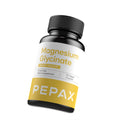
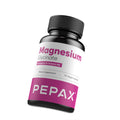
The form matters. Magnesium glycinate demonstrates superior bioavailability compared to magnesium oxide and causes less gastrointestinal distress, improving adherence in long-term protocols. For readers building a comprehensive stack, our Longevity Supplement Stack guide covers synergistic pairings.
Molecular Hydrogen: Emerging Anti-Aging Supplements Evidence
Molecular hydrogen (H₂) is the smallest known bioactive molecule and acts as a selective antioxidant, neutralizing highly reactive hydroxyl radicals and peroxynitrite without disturbing beneficial redox signaling. Ohsawa et al. (2007) first demonstrated in a rat stroke model that inhaled H₂ gas (2% in air) reduced oxidative stress in ischemic brain tissue, improving infarct volume and neurological outcomes. This foundational study established the mechanistic plausibility that has driven subsequent human research.
Human trials have focused on metabolic and inflammatory endpoints rather than lifespan. A 2020 RCT in 60 adults with metabolic syndrome tested hydrogen-rich water (1.2–1.6 ppm H₂, ~1 L/day) for 24 weeks. The hydrogen group showed significant improvements in oxidized LDL cholesterol (−12.4% vs. −2.1% placebo) and modest reductions in uric acid. Another trial in 20 healthy adults reported that hydrogen water reduced exercise-induced lactate accumulation and improved submaximal endurance, suggesting mitochondrial efficiency benefits. These studies are promising but preliminary; no long-term RCT has tracked hard aging endpoints with H₂.
Hydrogen's practical advantage is safety. There is no established upper-limit toxicity for oral H₂, and it does not alter physiological pH or react with physiologically important reactive oxygen species like hydrogen peroxide at signaling concentrations.
Comparative Dosing and Evidence Quality for Anti-Aging Supplements
The table below summarizes the current anti-aging supplements evidence for NMN, magnesium, and molecular hydrogen, including typical human doses, primary biomarkers, and evidence tier.
| Compound | Typical Human Dose | Primary Biomarkers | Strongest Evidence Tier | Key Limitation |
|---|---|---|---|---|
| NMN | 250–500 mg/day oral | NAD+ levels, gait speed, insulin sensitivity | Small human RCTs (n=30–80) | No mortality/frailty endpoint data |
| Magnesium (glycinate) | 200–400 mg elemental/day | CRP, telomere length (observational), sleep quality | Meta-analyses of RCTs (n>1,000) | Effect sizes modest; correction of deficiency drives much of benefit |
| Molecular hydrogen | 1–2 ppm H₂ water, 0.5–1 L/day | oxidized LDL, uric acid, exercise lactate | Small human RCTs (n=20–60) | No long-term aging endpoint trials |
Timing considerations are underappreciated. NMN is often taken in the morning to align with circadian NAD+ peaks. Magnesium glycinate is better tolerated and more sleep-supportive when dosed in the evening. Hydrogen water is most commonly consumed pre- or post-exercise based on current trial designs, though morning dosing is also practiced.
For readers combining compounds, our NMN Stacking Guide discusses pharmacokinetic interactions and whether co-administration affects absorption.
Who Benefits Most from Current Anti-Aging Supplements Evidence
The strongest anti-aging supplements evidence applies to specific populations, not universally to all adults. NMN shows the most promise in middle-aged and older adults with declining NAD+ levels—typically those over 45 with subclinical metabolic dysfunction. The functional improvements in gait speed observed in postmenopausal women suggest that NMN may be most beneficial when age-related mobility decline has already begun, rather than as a preventive in young adults.
Magnesium supplementation benefits are most pronounced in individuals with suboptimal dietary intake, which includes an estimated 50–60% of adults in Western populations. Older adults, athletes with high sweat losses, and individuals with gastrointestinal disorders that impair absorption see the largest biomarker improvements. If your serum magnesium is already in the upper-normal range, additional supplementation yields diminishing returns.
Molecular hydrogen appears most relevant for adults with elevated oxidative stress markers—those with metabolic syndrome, chronic inflammatory conditions, or high-intensity training loads. The exercise studies suggest hydrogen may serve as a recovery adjunct rather than a primary anti-aging intervention.
PEPAX NMN is formulated at 500 mg per capsule, a dose aligned with the upper range of current human RCTs. We selected this concentration because the dose-response curve in published trials suggests 500 mg may offer greater NAD+ elevation than 250 mg, while remaining within the safety margins established across multiple Phase I studies.
Practical Takeaways from Anti-Aging Supplements Evidence
- Prioritize compounds with human RCT data over those supported only by in vitro or animal studies; mechanistic plausibility does not guarantee clinical efficacy.
- NMN at 250–500 mg/day raises NAD+ levels in humans, but mortality and frailty data do not yet exist; treat it as a metabolic support tool, not a longevity guarantee.
- Magnesium glycinate at 200–400 mg elemental magnesium daily has the strongest human evidence base for anti-inflammatory and cellular maintenance effects, especially if dietary intake is insufficient.
- Molecular hydrogen shows promising antioxidant and metabolic effects in small trials, but long-term aging endpoint studies are still needed before firm recommendations.
- Combine supplements only after understanding their individual effects; stacking multiple unproven compounds complicates attribution if side effects occur.
- Consult a clinician before starting NMN or high-dose magnesium if you take prescription medications, as pharmacokinetic interactions exist.
Bottom Line on Anti-Aging Supplements Evidence
The anti-aging supplements evidence in 2025 is cautiously optimistic but incomplete. NMN, magnesium, and molecular hydrogen each have mechanistic rationale and early human data, yet none has passed the definitive test of a large, long-term RCT with mortality or disability endpoints. The honest assessment is that these compounds may support healthy aging biomarkers, but they are not proven to extend human lifespan. For now, the best strategy is evidence-based supplementation combined with the interventions that already have robust outcome data: resistance training, adequate protein intake, sleep optimization, and caloric moderation.
References
- López-Otín C, et al. "The Hallmarks of Aging." Cell. 2013;153(6):1194–1217. [Source]
- Fang EF, et al. "NAD+ in Aging: Molecular Mechanisms and Translational Implications." Trends in Molecular Medicine. 2017;23(10):899–916. [Source]
- Mills KF, et al. "Long-Term Administration of Nicotinamide Mononucleotide Mitigates Age-Associated Physiological Decline in Mice." Cell Metabolism. 2016;24(6):795–806. [Source]
- Gröber U, et al. "Magnesium in Prevention and Therapy." Nutrients. 2015;7(9):8199–8226. [Source]
- Ohsawa I, et al. "Hydrogen acts as a therapeutic antioxidant by selectively reducing cytotoxic oxygen radicals." Nature Medicine. 2007;13(6):688–694. [Source]
Featured Product
PEPAX NMNClinical-dose NMN 500mg · NAD+ precursor · third-party tested · cGMP certified
Shop Now →