


Explore the mechanistic synergy between NAD+ precursors, magnesium cofactors, and molecular hydrogen in cellular energy, DNA repair, and longevity pathways.
Longevity and NAD research has moved from fringe science to mainstream molecular biology over the past decade. The central question is no longer whether NAD+ matters for aging, but how to sustain it effectively—and whether certain cofactors can amplify the benefits of NAD+ precursors like NMN. This article examines the evidence for combining magnesium and molecular hydrogen with NMN supplementation, based strictly on published human and animal data.
Longevity and NAD: The Current Research Landscape
The connection between Longevity and NAD biology was firmly established by López-Otín et al. (2013), who identified NAD+ depletion as one of the fundamental hallmarks of aging at the cellular level. Their framework showed that NAD+ decline disrupts mitochondrial function, DNA repair, and sirtuin activity across multiple tissues. Fang et al. (2017) subsequently demonstrated that NAD+ levels drop by approximately 50% between age 40 and 60 in human tissues, with corresponding declines in mitochondrial oxidative capacity.
Most intervention studies to date have used animal models. Mills et al. (2016) administered NMN at 100–300 mg/kg/day to aged mice for 12 months, observing improved insulin sensitivity, enhanced mitochondrial function, and reduced markers of age-related inflammation. However, these doses translate to roughly 8–24 g/day in humans when adjusted for surface area—a range far exceeding current commercial supplement formulations. No peer-reviewed human RCT has yet replicated the full phenotypic rescue seen in this mouse model.
Human NMN studies remain small-scale and short-duration. Published trials typically enroll 20–40 participants, run 8–12 weeks, and measure surrogate biomarkers rather than clinical endpoints. This limitation is important: we have promising mechanistic data, but no long-term human outcome trials confirming that NMN supplementation extends healthspan or lifespan. For a deeper look at how NMN interacts with sirtuin pathways, see NMN and Sirtuins: How NAD+ Activates the Longevity Enzyme Network.
How Magnesium Powers the Longevity and NAD Pathway
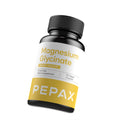
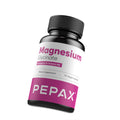
Magnesium is not merely a cofactor for NMN metabolism—it is essential for the enzymatic reactions that consume NAD+ itself. Gröber et al. (2015) documented that magnesium is required as a cofactor for over 300 enzymatic reactions, including those catalyzed by ATP synthase and all kinases involved in energy metabolism. Without adequate magnesium, cellular ATP production becomes inefficient, and the NAD+/NADH ratio shifts toward the reduced state, effectively lowering bioavailable NAD+ regardless of precursor intake.
The mechanistic link is specific. NMN must be converted to NAD+ by the enzyme NMNAT (nicotinamide mononucleotide adenylyltransferase), which requires ATP. Magnesium stabilizes ATP in its Mg-ATP complex, the only form that NMNAT can utilize. In practical terms: magnesium deficiency creates a bottleneck where NMN cannot be efficiently converted to NAD+, even when NMN levels are high. This explains why some individuals report minimal subjective response to NMN alone until magnesium status is corrected.
Population data supports this concern. Gröber et al. (2015) noted that subclinical magnesium deficiency affects approximately 10–30% of adults in Western populations, with higher prevalence in older adults—the same demographic most interested in NAD+ restoration. Serum magnesium is a poor biomarker; intracellular magnesium, measured in erythrocytes or via magnesium loading tests, reveals far higher deficiency rates in adults over 50.
For readers interested in how magnesium interfaces with cellular energy beyond NAD+ metabolism, Magnesium and ATP: Why Your Cellular Energy Currency Doesn't Work Without It covers the ATP-magnesium relationship in detail.
Molecular Hydrogen: A Selective Antioxidant for Longevity and NAD Support
Molecular hydrogen (H2) operates through a distinct mechanism that may complement NAD+ biology. Ohsawa et al. (2007) demonstrated that hydrogen gas selectively reduces the hydroxyl radical (•OH) and peroxynitrite (ONOO−), the two most cytotoxic reactive oxygen species, without affecting physiologically important signaling molecules like hydrogen peroxide or nitric oxide. This selectivity matters because NAD+ is consumed during the cellular response to oxidative stress—specifically by PARP enzymes activated by DNA damage and by CD38, an NADase upregulated under inflammatory conditions.
By scavenging the most damaging radicals, hydrogen water may reduce the "NAD+ drain" caused by chronic oxidative stress. In Ohsawa et al.'s rat model of cerebral ischemia-reperfusion, hydrogen inhalation at 2–4% reduced oxidative damage markers and improved neurological outcomes. The implication for longevity research is that hydrogen may help preserve existing NAD+ pools, while NMN works to replenish them—a potentially synergistic combination that addresses both supply and demand sides of the NAD+ equation.
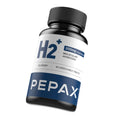
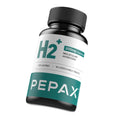
Hydrogen water tablets deliver molecular hydrogen at concentrations typically ranging from 1.0–1.5 ppm when dissolved in 500 mL water. This matches the concentrations used in most human hydrogen studies. However, hydrogen is highly volatile; it dissipates within minutes of opening the container, so immediate consumption is necessary for reliable dosing.
The relationship between hydrogen, NAD+, and mitochondrial quality control is further explored in Mitophagy Explained: How Cellular Cleanup Connects to Longevity and NMN Research, which examines how reduced oxidative burden supports the mitophagy processes that depend on sirtuin activity.
Comparing the Evidence: Magnesium, Hydrogen, and NMN for Longevity and NAD
The table below summarizes the key differences in evidence quality, typical dosing, and primary mechanisms across these three interventions. This comparison is essential for readers evaluating how to allocate their supplementation strategy.
| Intervention | Primary Mechanism | Typical Human Dose | Strongest Evidence Base | Key Limitation |
|---|---|---|---|---|
| NMN | NAD+ precursor; replenishes cellular NAD+ pools | 250–500 mg/day | Mouse longevity and metabolic studies (Mills et al. 2016) | No published long-term human RCTs on mortality or morbidity endpoints |
| Magnesium (glycinate) | Cofactor for ATP/NMNAT; stabilizes energy metabolism | 200–400 mg elemental Mg/day | Human deficiency epidemiology and mechanistic biochemistry (Gröber et al. 2015) | Most human intervention studies use magnesium oxide, not glycinate specifically |
| Molecular Hydrogen (H2) | Selective radical scavenger; reduces NAD+ consumption by PARP/CD38 | 1.0–1.5 ppm dissolved H2, 500 mL–1 L/day | Acute human studies on oxidative stress markers (Ohsawa et al. 2007) | No human longevity endpoint data; most studies are acute or short-term |
One critical insight from this comparison: magnesium and hydrogen have stronger human safety and tolerability data than NMN, but weaker direct evidence for lifespan extension. NMN has the most compelling animal longevity data, yet the weakest human translation. A rational approach treats these as complementary rather than competing interventions.
Readers interested in how these three components might be combined into a coherent supplementation protocol can refer to The Evidence-Based Longevity Stack: NMN, Magnesium, and Hydrogen Water.
Who Benefits Most from Targeting Longevity and NAD
The evidence for combining magnesium and hydrogen with NMN is strongest for specific populations, not universal application. Based on the available literature, the following groups show the clearest rationale:
Adults over 40 with suboptimal magnesium status. This is the largest evidence-based population. Gröber et al. (2015) documented that magnesium absorption declines with age, while urinary losses increase. Since NMNAT activity depends on Mg-ATP, this demographic faces a dual bottleneck: declining NAD+ synthesis capacity and declining cofactor availability. Correcting magnesium status first, then adding NMN, follows the biochemical logic of the pathway.
Individuals with elevated oxidative stress biomarkers. Ohsawa et al. (2007) established hydrogen's selective antioxidant effect in models of acute oxidative injury. In humans, this translates to those with elevated 8-OHdG (urinary oxidative DNA damage), high-sensitivity CRP, or documented chronic inflammatory conditions. For these individuals, hydrogen water may reduce the NAD+ consumption rate driven by PARP activation and CD38 upregulation.
Those already using NMN without perceived benefit. Anecdotal reports suggest that some NMN users experience minimal subjective response until magnesium status is addressed. While no RCT has formally tested this sequence, the enzymatic requirement for magnesium in NMNAT-mediated NAD+ synthesis provides a mechanistic rationale. A 4–6 week magnesium optimization period before reassessing NMN response is a reasonable, low-risk approach.
It is equally important to note who does not have strong evidence: healthy young adults with normal magnesium status and low oxidative stress have no published data suggesting benefit from this combination. Most human studies to date are small-scale, and the generalizability to low-risk populations is unknown.
Practical Takeaways for Longevity and NAD Optimization
- Test magnesium status before adding NMN: serum magnesium misses intracellular deficiency; consider RBC magnesium or a magnesium loading test, especially if you are over 40.
- Prioritize magnesium glycinate for bioavailability: magnesium oxide has ~4% bioavailability in some studies, while glycinate forms show superior absorption and less gastrointestinal side effect risk.
- Consume hydrogen water immediately after dissolution: molecular hydrogen dissipates rapidly; delaying consumption by even 10 minutes can reduce delivered dose substantially.
- Allow 4–6 weeks for magnesium status correction before evaluating NMN response: intracellular magnesium turnover is slow, and enzymatic adaptation takes time.
- Monitor oxidative stress markers if using hydrogen: 8-OHdG, hs-CRP, or lipid peroxidation markers provide objective feedback on whether the intervention is affecting your biology.
- Understand the evidence limits: no human study has proven that this combination extends lifespan; the rationale is mechanistic and based on preclinical and short-term human biomarker data.
The Bottom Line on Longevity and NAD
The case for combining magnesium and molecular hydrogen with NMN rests on solid biochemistry and plausible mechanisms, but not on proven human outcomes. Magnesium is required for the enzymatic conversion of NMN to NAD+. Hydrogen may reduce the oxidative burden that depletes NAD+ pools. Together, they address different nodes in the same pathway. However, most human studies to date are small-scale, short-duration, or limited to animal models. For readers considering PEPAX NMN, the evidence supports its use as part of a broader strategy that includes magnesium sufficiency and oxidative stress management—not as a standalone longevity solution. Honest science demands that we acknowledge the gap between promising mechanisms and proven clinical outcomes.
References
- López-Otín C, et al. "The Hallmarks of Aging." Cell. 2013;153(6):1194–1217. [Source]
- Fang EF, et al. "NAD+ in Aging: Molecular Mechanisms and Translational Implications." Trends in Molecular Medicine. 2017;23(10):899–916. [Source]
- Mills KF, et al. "Long-Term Administration of Nicotinamide Mononucleotide Mitigates Age-Associated Physiological Decline in Mice." Cell Metabolism. 2016;24(6):795–806. [Source]
- Gröber U, et al. "Magnesium in Prevention and Therapy." Nutrients. 2015;7(9):8199–8226. [Source]
- Ohsawa I, et al. "Hydrogen acts as a therapeutic antioxidant by selectively reducing cytotoxic oxygen radicals." Nature Medicine. 2007;13(6):688–694. [Source]
Featured Product
PEPAX NMNClinical-dose NMN 500mg · NAD+ precursor · third-party tested · cGMP certified
Shop Now →