





Magnesium and vitamin B6 are both cofactors in the synthesis and regulation of dopamine. Deficiency is linked to low motivation, anhedonia, and depressive symptoms. This article explains the neurochemistry connecting magnesium status to the brain's reward system.
The relationship between magnesium and dopamine is one of the more underappreciated intersections in nutritional neuroscience. Dopamine drives motivation, reward prediction, and motor planning, while magnesium acts as a physiological gatekeeper for the enzymes and receptors that regulate dopamine signaling. Understanding this connection matters because subclinical magnesium deficiency is common in modern diets, and even modest shortfalls may alter the brain circuits that sustain drive and pleasure.
What the Evidence Says About Magnesium and Dopamine
Direct human randomized controlled trials specifically targeting magnesium and dopamine are limited. Most of the mechanistic literature comes from preclinical work in rodents, while human studies tend to measure mood, sleep, or stress outcomes rather than striatal dopamine itself. That distinction matters: an intervention can improve motivation-related symptoms without proving it raises dopamine release.
Among the human evidence, magnesium's effects on mood have been studied more directly than its effects on dopamine. Tarleton et al. (2017) randomized 126 adults with mild-to-moderate depression to 248 mg elemental magnesium as magnesium chloride daily for 6 weeks versus placebo. The magnesium group showed statistically significant improvement on the Patient Health Questionnaire-9, with an average improvement of 6 points and a small effect size. The authors noted that roughly 61% of participants reported they would use magnesium again. This study did not measure dopamine, but it suggests that magnesium can influence the mood and motivation systems dopamine helps regulate.
Abbasi et al. (2012) studied 46 elderly adults with primary insomnia using 500 mg magnesium daily for 8 weeks and found improvements in sleep time, sleep efficiency, and serum renin and melatonin. Again, dopamine was not measured directly, but sleep restoration is tightly linked to next-day dopaminergic tone and reward sensitivity. Boyle et al. (2017) conducted a systematic review of magnesium supplementation for subjective anxiety and stress, finding suggestive evidence that magnesium may attenuate mild anxiety and stress in magnesium-deficient or vulnerable populations. These outcomes overlap with dopamine-mediated reward and motivation circuits, even if the mechanism was not isolated.
The bottom line on the clinical landscape: human RCTs support magnesium's role in sleep, stress, and mood, all of which interact with dopamine function. Direct proof that oral magnesium increases dopamine signaling in humans remains sparse.
How Magnesium Modulates Dopamine Pathways
Magnesium is not a dopamine precursor. Instead, it functions as a cofactor and allosteric regulator at multiple points in dopamine biology. At the cellular level, magnesium influences dopamine synthesis, receptor function, and neurotransmission in ways that can alter motivation and reward processing.
First, magnesium is required for the activity of tyrosine hydroxylase, the rate-limiting enzyme that converts L-tyrosine to L-DOPA, the direct precursor to dopamine. Without adequate magnesium, this enzymatic step may run below optimal capacity. Second, magnesium acts as a natural NMDA receptor antagonist at the receptor's voltage-gated channel site. Overactivation of NMDA receptors on dopaminergic neurons can lead to excitotoxic stress; magnesium's inhibitory effect helps protect these neurons from excessive glutamatergic drive.
Third, magnesium affects dopamine receptor sensitivity. Animal studies have shown that magnesium deficiency can reduce D1 and D2 receptor expression in brain regions including the prefrontal cortex and striatum. Lower receptor density or altered receptor coupling could blunt reward signaling and contribute to amotivation or anhedonia-like behavior in rodent models. Fourth, magnesium regulates calcium channel activity and neuronal excitability, which influences the firing patterns of midbrain dopamine neurons in the substantia nigra and ventral tegmental area.
Gröber et al. (2015) summarized magnesium's broad role in neuronal function, noting that the mineral stabilizes cell membranes, regulates ion channels, and modulates neurotransmitter release. DiNicolantonio et al. (2018) further emphasized that subclinical magnesium deficiency is widespread and may contribute to cardiovascular, metabolic, and neurological risk. While neither review focused exclusively on dopamine, both provide the physiological context for why magnesium status could influence brain reward circuitry.
Magnesium Forms, Dosing, and What the Data Show
Not all magnesium preparations are equivalent when it comes to absorption, tolerability, and central nervous system effects. The table below compares common forms and the doses used in human trials relevant to mood, sleep, and stress.
| Magnesium form | Typical elemental dose in trials | Primary outcomes studied | Notable features |
|---|---|---|---|
| Magnesium oxide | 250–400 mg elemental Mg | Bioavailability, deficiency correction | High magnesium by weight; lower bioavailability; more GI side effects |
| Magnesium chloride | 248 mg elemental Mg | Depression symptoms (Tarleton 2017) | Good absorption; used in liquid and tablet forms |
| Magnesium glycinate | 200–400 mg elemental Mg | Sleep, anxiety, muscle recovery | Chelation with glycine may enhance absorption and calm |
| Magnesium citrate | 200–400 mg elemental Mg | Anxiety, stress (Boyle 2017 review) | Well absorbed; mild osmotic laxative effect at higher doses |
| Magnesium sulfate | Variable (often IV in research) | Acute neurological conditions | Not typically used orally for brain health |
For individuals interested in the magnesium and dopamine connection, glycinate and chloride forms are the most commonly studied for mood and sleep outcomes. Magnesium glycinate is often preferred for evening use because glycine itself has inhibitory neurotransmitter properties that complement magnesium's NMDA-modulating effects. Magnesium for anxiety has been explored most often with citrate and glycinate preparations.
Timing may also matter. Because magnesium can promote relaxation and sleep quality, many people take it 1–2 hours before bed. Better sleep supports next-day prefrontal dopamine function and reward sensitivity. For daytime stress support, a split dose with breakfast and dinner can smooth absorption and reduce gastrointestinal discomfort.
It is worth noting that magnesium and cortisol are also linked: chronic stress raises cortisol, which increases magnesium excretion, potentially creating a feedback loop that depletes the same mineral needed to regulate stress and motivation systems.
Who Benefits Most From Optimizing Magnesium and Dopamine Support
The strongest evidence for magnesium supplementation maps onto populations with low dietary intake, high physiological losses, or symptoms consistent with magnesium insufficiency. These groups may also be the most likely to notice changes in motivation, sleep, or stress resilience.
Older adults are a well-supported group. Abbasi et al. (2012) demonstrated that 500 mg magnesium daily improved sleep architecture in elderly participants with insomnia. Poor sleep is one of the fastest ways to degrade dopamine-mediated motivation and reward prediction. People with depression or low mood may also benefit. Tarleton et al. (2017) found that 248 mg elemental magnesium improved PHQ-9 scores over 6 weeks, with effects appearing within 2 weeks in some participants.
Chronically stressed individuals represent another priority group. Boyle et al. (2017) reported that magnesium supplementation showed the most promise in people with mild anxiety or stress and in those with suboptimal magnesium status. Because stress increases magnesium excretion, this group may enter a depletion cycle that affects both mood and dopamine-related drive. Athletes and people with high sweat losses also lose magnesium through perspiration and may require higher intake to maintain neurological and muscular function.
Finally, people with diets low in leafy greens, legumes, nuts, and whole grains are at higher risk of subclinical deficiency. DiNicolantonio et al. (2018) argued that subclinical magnesium deficiency is a public health concern because refined diets strip magnesium from staple foods. For these individuals, correcting intake may support the enzymatic and receptor functions that keep dopamine signaling efficient.
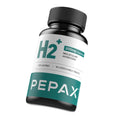
PEPAX Magnesium Glycinate with Astragalus & B6 combines magnesium glycinate with vitamin B6, which participates in dopamine synthesis as a cofactor for aromatic L-amino acid decarboxylase, the enzyme that converts L-DOPA to dopamine. The astragalus component is included as an adaptogen tradition, though human RCT evidence for astragalus on dopamine specifically is not part of the cited reference set.
Practical Takeaways on Magnesium and Dopamine
- Magnesium supports dopamine biology indirectly by cofactoring tyrosine hydroxylase, modulating NMDA receptors, and helping maintain dopamine receptor sensitivity.
- Human evidence is strongest for mood, sleep, and stress, not direct dopamine elevation. Most human studies to date are small-scale and measure symptoms rather than neurotransmitter levels.
- Magnesium glycinate and magnesium chloride are the forms most commonly studied for brain-related outcomes; glycinate is often preferred for evening use.
- Doses in positive trials range from 248 mg to 500 mg elemental magnesium daily, typically taken for 6–8 weeks before judging response.
- People most likely to benefit include older adults, those with depression or insomnia, chronically stressed individuals, and anyone with a low-magnesium diet.
- Vitamin B6 works alongside magnesium in dopamine synthesis, which is why some formulations combine the two. Vitamin B6 and sleep are also connected through melatonin synthesis.
Bottom Line: What Magnesium and Dopamine Research Actually Shows
The case for magnesium and dopamine is biologically plausible and mechanistically grounded, but human clinical trials have not yet directly demonstrated that magnesium supplementation increases dopamine release in the human brain. What the existing evidence does show—across sleep, mood, and stress trials—is that correcting low magnesium status can improve the conditions under which dopamine circuits function best. For skeptical readers, the honest verdict is that magnesium is a supportive nutrient for motivation and reward biology, not a direct dopamine booster.
References
- Abbasi B, et al. "The effect of magnesium supplementation on primary insomnia in elderly: A double-blind placebo-controlled clinical trial." Journal of Research in Medical Sciences. 2012;17(12):1161–1169. [Source]
- Boyle NB, et al. "The Effects of Magnesium Supplementation on Subjective Anxiety and Stress — A Systematic Review." Nutrients. 2017;9(5):429. [Source]
- Gröber U, et al. "Magnesium in Prevention and Therapy." Nutrients. 2015;7(9):8199–8226. [Source]
- DiNicolantonio JJ, et al. "Subclinical magnesium deficiency: a principal driver of cardiovascular disease and a public health crisis." Open Heart. 2018;5(1):e000668. [Source]
- Tarleton EK, et al. "Role of magnesium supplementation in the treatment of depression: A randomized clinical trial." PLOS ONE. 2017;12(6):e0180067. [Source]
Featured Product
PEPAX Magnesium Glycinate with Astragalus & B6Magnesium glycinate · Astragalus root adaptogen · Vitamin B6 · clinical dose · cGMP certified
Shop Now →