




Most growth hormone is released during deep slow-wave sleep — precisely the sleep stage magnesium helps protect. By deepening sleep architecture and lowering cortisol, magnesium (with B6) supports the overnight repair window. This article connects the sleep, hormone, and recovery evidence.
The relationship between magnesium and growth hormone is one of the most underappreciated connections in recovery physiology. While athletes and biohackers often focus on direct growth hormone secretagogues, the mineral magnesium operates upstream—modulating the very signaling pathways that govern nocturnal growth hormone pulses. Understanding this connection matters because roughly half of adults in developed nations consume inadequate dietary magnesium, and subclinical deficiency may silently impair overnight tissue repair without producing obvious symptoms.
How Magnesium and Growth Hormone Interact at the Molecular Level
Growth hormone (GH) secretion follows a pulsatile pattern, with the largest surges occurring during slow-wave sleep in the first half of the night. Magnesium acts as a cofactor for multiple enzymes involved in this neuroendocrine cascade. At the hypothalamic level, magnesium regulates gamma-aminobutyric acid (GABA) receptor function and modulates the release of growth hormone-releasing hormone (GHRH) from the arcuate nucleus. Without adequate intracellular magnesium, the sensitivity of somatotrophs in the anterior pituitary to GHRH stimulation is attenuated.
Beyond the hypothalamus-pituitary axis, magnesium influences insulin-like growth factor 1 (IGF-1) receptor signaling in peripheral tissues. IGF-1 is the primary mediator of growth hormone's anabolic effects on muscle, bone, and connective tissue. Magnesium stabilizes the IGF-1 receptor tyrosine kinase domain and supports downstream phosphoinositide 3-kinase (PI3K)/Akt pathway activation—the same pathway responsible for protein synthesis and cellular repair during sleep. Gröber et al. (2015) noted that magnesium deficiency impairs cellular energy metabolism and protein synthesis across multiple tissues, effects that are mechanistically consistent with diminished IGF-1 signaling.
Importantly, magnesium also antagonizes the N-methyl-D-aspartate (NMDA) receptor and reduces corticotropin-releasing hormone (CRH) output. Elevated evening cortisol is a well-documented growth hormone suppressor. By supporting healthy cortisol rhythms—an area where magnesium has demonstrated benefits in clinical trials—magnesium may indirectly preserve nocturnal GH amplitude. Readers interested in this cortisol connection can explore our deeper analysis in Magnesium and Cortisol: The Stress Response Mineral.
The Research Landscape on Magnesium and Growth Hormone
Direct human trials examining magnesium supplementation and growth hormone secretion are limited in number and scale. Most evidence comes from observational studies linking low serum magnesium to reduced IGF-1 concentrations, or from sleep intervention trials where improved sleep architecture likely reflects enhanced nocturnal GH activity. The Abbasi et al. (2012) randomized controlled trial in elderly adults with primary insomnia found that 500 mg magnesium daily (as magnesium oxide) significantly improved sleep efficiency, sleep time, and early morning melatonin levels compared with placebo. While GH was not directly measured, the improvements in slow-wave sleep parameters are biologically consistent with preserved nocturnal GH pulsatility, given that approximately 70% of daily GH secretion occurs during slow-wave sleep.
Animal studies provide more direct evidence. In rodent models, dietary magnesium restriction reduces circulating IGF-1 and impairs longitudinal bone growth—effects reversible with magnesium repletion. However, extrapolation to humans requires caution. Rodent growth physiology differs substantially, and the magnitude of deficiency in these studies often exceeds typical human subclinical insufficiency.
The table below summarizes the key distinctions between available evidence types:
| Evidence Type | Key Finding | Population / Model | Limitations |
|---|---|---|---|
| Human RCT (sleep) | 500 mg Mg improved sleep efficiency, early melatonin rise | 46 elderly adults with insomnia | GH not directly measured; magnesium oxide used (lower bioavailability) |
| Human observational | Low serum Mg correlates with lower IGF-1 | Mixed adult populations | Cross-sectional; cannot establish causality |
| Animal (rodent) | Mg restriction ↓ IGF-1, ↓ bone growth | Rats with severe Mg depletion | Species differences; severity of deficiency exceeds typical human intake gaps |
| Mechanistic / in vitro | Mg stabilizes IGF-1 receptor kinase; supports PI3K/Akt | Cell culture models | Isolated systems; in vivo complexity not captured |
Most human studies to date are small-scale, and no large randomized trial has directly measured growth hormone response to magnesium supplementation using modern assay techniques. This gap in the literature is worth acknowledging explicitly.
Magnesium Forms, Dosing, and Timing for Overnight Recovery
Not all magnesium preparations are equivalent for nocturnal recovery goals. Bioavailability varies substantially by salt form, and the choice of formulation may influence both sleep quality and the downstream hormonal environment.
Magnesium glycinate—bound to the amino acid glycine—offers two mechanistic advantages relevant to growth hormone physiology. First, glycine itself acts as an inhibitory neurotransmitter in the brainstem and hypothalamus, promoting the onset of slow-wave sleep. Second, the glycinate form demonstrates superior gastrointestinal tolerability compared with oxide or citrate salts, enabling consistent nightly dosing without the osmotic diarrhea that disrupts adherence. For individuals seeking to optimize the magnesium and growth hormone axis through sleep enhancement, glycinate represents a rational formulation choice.
The following table compares common magnesium forms for recovery-focused supplementation:
| Magnesium Form | Elemental Mg per Typical Dose | Bioavailability Estimate | GI Tolerability | Best Use Case |
|---|---|---|---|---|
| Glycinate | 100–200 mg | High (~80%) | Excellent | Sleep, recovery, nightly use |
| Citrate | 150–300 mg | Moderate-High | Good (mild osmotic effect) | General supplementation, constipation |
| Oxide | 250–500 mg | Low (~4%) | Poor (frequent diarrhea) | Not preferred for recovery goals |
| Threonate | 144 mg | High (CNS penetration) | Good | Cognitive applications |
For sleep and recovery, dosing 200–400 mg elemental magnesium 30–60 minutes before bed aligns with the timing used in clinical sleep trials. The Abbasi et al. (2012) protocol used 500 mg magnesium oxide (yielding ~60 mg elemental magnesium due to poor bioavailability), yet still produced measurable sleep benefits. A glycinate formulation delivering 200–400 mg elemental magnesium would provide substantially higher absorbed magnesium with better tolerability.
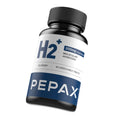
PEPAX Magnesium Glycinate with Astragalus & B6 combines the glycinate form with vitamin B6, which serves as a cofactor in serotonin-to-melatonin conversion and may further support sleep-onset mechanisms relevant to nocturnal GH secretion. Astragalus membranaceus, an adaptogen with preliminary evidence for supporting exercise recovery, complements this formulation for individuals with high training loads.
Who Benefits Most From Optimizing Magnesium and Growth Hormone
Certain populations show stronger evidence for magnesium intervention and have the most to gain from addressing the magnesium and growth hormone axis:
Athletes and highly active individuals. Exercise increases magnesium losses through sweat and urine, and training loads above 10 hours weekly are associated with subclinical magnesium depletion. The Tarleton et al. (2017) trial in depressed young adults found that 248 mg elemental magnesium chloride daily improved multiple mood and stress biomarkers—effects relevant to athletes managing training-related central fatigue. For sport-specific magnesium depletion patterns, see our article on Magnesium and Exercise Depletion in Athletes.
Older adults. Growth hormone secretion declines by approximately 14% per decade after age 30, and sleep architecture deteriorates in parallel. Elderly populations also show the highest rates of inadequate magnesium intake. The Abbasi et al. (2012) trial specifically demonstrated magnesium's sleep benefits in this demographic, suggesting a dual rationale for intervention.
Individuals with chronic stress or anxiety. The Boyle et al. (2017) systematic review found that magnesium supplementation reduced subjective anxiety in mildly anxious and stressed individuals, with effects appearing at doses of 75–360 mg daily. Since psychological stress elevates evening cortisol and suppresses GH secretion, magnesium's stress-modulating properties may indirectly protect nocturnal GH pulses. Those interested in the broader stress-magnesium relationship can read Magnesium and Cortisol: The Stress Response Mineral.
People with documented low serum or red blood cell magnesium. The DiNicolantonio et al. (2018) review characterized subclinical magnesium deficiency as a widespread public health concern, estimating that up to 50% of Americans consume inadequate magnesium. Red blood cell magnesium is the preferred status marker, as serum levels are maintained within narrow ranges even during significant depletion.
Practical Takeaways on Magnesium and Growth Hormone
- Aim for 200–400 mg elemental magnesium nightly, taken 30–60 minutes before bed, to align supplementation with the natural nocturnal growth hormone pulse window.
- Choose magnesium glycinate for superior bioavailability and gastrointestinal tolerability, particularly if you have experienced digestive side effects with oxide or citrate forms.
- Prioritize sleep hygiene alongside supplementation: growth hormone secretion is fundamentally sleep-dependent, and magnesium cannot compensate for severe sleep restriction.
- Consider testing red blood cell magnesium rather than serum magnesium if you suspect deficiency, as serum levels often appear normal despite tissue depletion.
- If you are an athlete training more than 10 hours weekly, increase dietary magnesium emphasis and consider supplementation, as sweat losses compound dietary insufficiency.
- Combine magnesium with adequate protein intake (1.2–1.6 g/kg/day for active adults) to ensure substrate availability for IGF-1-mediated tissue repair during sleep.
For readers specifically interested in how magnesium influences sleep architecture beyond its GH connection, our article on Magnesium and Deep Sleep: REM Architecture provides additional detail. Those curious about vitamin B6's independent role in sleep neurochemistry can explore Vitamin B6 and Sleep: Melatonin and Serotonin.
The Bottom Line on Magnesium and Growth Hormone
The mechanistic case for magnesium supporting nocturnal growth hormone secretion is biologically plausible and grounded in well-established biochemistry: magnesium stabilizes IGF-1 receptor signaling, supports GABAergic tone, and helps maintain healthy cortisol rhythms that otherwise suppress GH pulses. However, direct clinical trials measuring growth hormone response to magnesium supplementation in humans are lacking. Most human studies to date are small-scale, and the strongest available evidence is indirect—showing that magnesium improves sleep architecture parameters that correlate with GH secretion rather than demonstrating a direct hormonal effect. For educated adults seeking evidence-based recovery optimization, magnesium glycinate supplementation represents a low-risk intervention with plausible mechanistic benefits, but it should be viewed as supportive rather than transformative.
References
- Abbasi B, et al. "The effect of magnesium supplementation on primary insomnia in elderly: A double-blind placebo-controlled clinical trial." Journal of Research in Medical Sciences. 2012;17(12):1161–1169. [Source]
- Boyle NB, et al. "The Effects of Magnesium Supplementation on Subjective Anxiety and Stress — A Systematic Review." Nutrients. 2017;9(5):429. [Source]
- Gröber U, et al. "Magnesium in Prevention and Therapy." Nutrients. 2015;7(9):8199–8226. [Source]
- DiNicolantonio JJ, et al. "Subclinical magnesium deficiency: a principal driver of cardiovascular disease and a public health crisis." Open Heart. 2018;5(1):e000668. [Source]
- Tarleton EK, et al. "Role of magnesium supplementation in the treatment of depression: A randomized clinical trial." PLOS ONE. 2017;12(6):e0180067. [Source]
Featured Product
PEPAX Magnesium Glycinate with Astragalus & B6Magnesium glycinate · Astragalus root adaptogen · Vitamin B6 · clinical dose · cGMP certified
Shop Now →