


Discover how magnesium may help manage premenstrual dysphoric disorder symptoms. Clinical evidence on mood regulation, irritability, and hormonal fluctuations.
For women with premenstrual dysphoric disorder (PMDD), mood symptoms can be severe enough to disrupt work, relationships, and daily functioning. Research into magnesium PMDD connections has grown substantially over the past decade, with several clinical trials suggesting that magnesium supplementation may help reduce irritability, anxiety, and depressive symptoms during the luteal phase. This article examines what the evidence actually shows—distinguishing between preclinical findings, small human studies, and the mechanistic rationale that makes magnesium a plausible intervention for severe PMS mood symptoms.
What the Research Says About Magnesium PMDD and Mood Symptoms
The evidence base for magnesium in PMDD and severe premenstrual syndrome (PMS) consists primarily of small randomized controlled trials (RCTs) and observational studies. Most human studies to date are small-scale, typically enrolling fewer than 100 participants, which limits the statistical power to detect modest but clinically meaningful effects.
A 2017 systematic review by Boyle et al. examined magnesium supplementation for subjective anxiety and stress across multiple populations, including premenstrual women. The review found that magnesium supplementation at doses of 200–400 mg elemental magnesium per day showed modest anxiolytic effects in populations with mild-to-moderate anxiety, including those with premenstrual symptoms. However, the authors noted significant heterogeneity in study designs and magnesium formulations, making firm conclusions difficult. Boyle et al. (2017)
Gröber et al. (2015) provided a comprehensive overview of magnesium in prevention and therapy, noting that magnesium deficiency is associated with increased neuronal excitability and altered hypothalamic-pituitary-adrenal (HPA) axis function—both relevant to PMDD pathophysiology. The review highlighted that while magnesium's role in neurological and psychiatric conditions is mechanistically plausible, large-scale RCTs specifically targeting PMDD remain limited. Gröber et al. (2015)
Importantly, no large, multi-center RCT has specifically evaluated magnesium monotherapy for DSM-5 diagnosed PMDD. Most existing trials use broader "PMS" or "premenstrual syndrome" criteria, which include milder symptom profiles. This distinction matters: PMDD affects approximately 3–8% of menstruating women and represents a more severe, functionally impairing subset of the premenstrual symptom spectrum.
How Magnesium PMDD Mechanisms Work at the Molecular Level
Magnesium's potential efficacy in PMDD operates through several well-characterized biochemical pathways. Understanding these mechanisms helps explain why magnesium might specifically benefit mood symptoms during the luteal phase.
GABA Receptor Modulation
Magnesium acts as a natural N-methyl-D-aspartate (NMDA) receptor antagonist and positively modulates gamma-aminobutyric acid (GABA) receptor function. During the luteal phase, progesterone metabolites like allopregnanolone typically enhance GABAergic inhibition, but women with PMDD may exhibit altered GABA-A receptor sensitivity. Magnesium's GABA-enhancing properties could theoretically compensate for this neurosteroid-related dysfunction. Gröber et al. (2015) emphasized that magnesium's neuromodulatory role depends on adequate intracellular concentrations, which are not always reflected in serum magnesium levels. Gröber et al. (2015)
Serotonin and HPA Axis Regulation
Magnesium is a cofactor for tryptophan hydroxylase, the rate-limiting enzyme in serotonin synthesis. Luteal-phase serotonergic dysfunction is a well-established feature of PMDD, and selective serotonin reuptake inhibitors (SSRIs) are first-line pharmacological treatment. Magnesium's role in serotonin synthesis provides a mechanistic rationale for its potential mood-stabilizing effects during the premenstrual period. For a deeper examination of this pathway, see our article on Magnesium and Depression: Clinical Evidence and the Serotonin Connection.
Additionally, magnesium regulates cortisol release through HPA axis modulation. DiNicolantonio et al. (2018) identified subclinical magnesium deficiency as a contributor to dysregulated stress responses, noting that chronic psychological stress itself increases urinary magnesium excretion—creating a potential vicious cycle. Women with PMDD often exhibit exaggerated cortisol responses to stress, making magnesium's cortisol-modulating properties particularly relevant. DiNicolantonio et al. (2018)
Inflammation and Neuroprotection
Low-grade inflammation characterizes the luteal phase in many women with PMDD. Magnesium exhibits anti-inflammatory properties through NF-κB pathway inhibition and reduces pro-inflammatory cytokine production. While direct evidence linking magnesium's anti-inflammatory effects to PMDD symptom reduction remains preclinical, this mechanism adds to the biological plausibility of supplementation.
Magnesium PMDD Dosage Comparison: Forms, Doses, and Study Outcomes
Not all magnesium formulations are equivalent for neurological applications. Bioavailability and tissue penetration vary substantially across salts. The table below summarizes forms and doses used in clinical trials relevant to mood and premenstrual symptoms.
| Magnesium Form | Elemental Mg per Dose | Study Population | Primary Outcome | Key Finding |
|---|---|---|---|---|
| Magnesium oxide | 200–400 mg | Women with PMS (n=32) | Premenstrual symptom severity | Modest reduction in mood symptoms vs. placebo |
| Magnesium glycinate | 200–300 mg | Women with mild anxiety (n=44) | Subjective anxiety scores | Improved anxiety ratings at 4–6 weeks |
| Magnesium chloride | 248 mg | Depressed adults (n=126) | Depression symptom severity | Significant improvement vs. placebo at 6 weeks |
| Magnesium sulfate | Variable (IV) | Pre-eclampsia patients | Seizure prophylaxis | Not applicable to PMDD; different indication |
The Tarleton et al. (2017) RCT used magnesium chloride at 248 mg elemental magnesium daily in 126 adults with mild-to-moderate depression. After 6 weeks, magnesium-supplemented participants showed clinically significant improvement in depression scores compared to placebo (effect size ~0.3). While this study did not specifically enroll PMDD patients, the symptom overlap—particularly depressive features—makes the findings relevant. Tarleton et al. (2017)
Magnesium glycinate deserves specific attention for PMDD applications. This chelated form combines magnesium with glycine, an inhibitory neurotransmitter that independently supports sleep and anxiety reduction. Glycine itself acts as a co-agonist at NMDA receptors and may enhance the GABAergic effects of magnesium. For women whose PMDD symptoms include sleep disruption and heightened stress reactivity, the glycinate form offers theoretical advantages over oxide or citrate salts. Magnesium and Cortisol: How This Mineral Regulates Your Stress Response provides additional context on why form selection matters for stress-related applications.
Who Benefits Most from Magnesium PMDD Supplementation
Evidence suggests that magnesium supplementation may be most beneficial for specific subpopulations of women with severe premenstrual symptoms.
Women with documented low magnesium status. DiNicolantonio et al. (2018) estimated that subclinical magnesium deficiency affects a substantial portion of the population, particularly those consuming processed diets low in leafy greens, nuts, and whole grains. Serum magnesium testing has poor sensitivity for total body status; however, women with dietary patterns low in magnesium-rich foods may be more likely to respond to supplementation. DiNicolantonio et al. (2018)
Those with predominant mood and anxiety symptoms. The Boyle et al. (2017) systematic review found that magnesium's anxiolytic effects were more consistent in populations where anxiety—not somatic symptoms—was the primary complaint. Women with PMDD whose symptom profiles center on irritability, tension, and low mood may therefore be better candidates than those with predominantly physical symptoms like bloating or breast tenderness. Boyle et al. (2017)
Women with concurrent sleep disruption. The Abbasi et al. (2012) RCT demonstrated that 500 mg magnesium supplementation improved sleep efficiency and reduced insomnia severity in elderly adults. While not specific to PMDD, sleep disruption is a common and functionally impairing feature of the luteal phase in affected women. Magnesium's role in melatonin synthesis and GABA receptor function supports its use when sleep disturbance accompanies mood symptoms. Abbasi et al. (2012)
Those seeking complementary approaches. For women who cannot tolerate SSRIs or prefer non-pharmacological interventions, magnesium represents a low-risk option with a plausible mechanistic basis. However, it should not replace evidence-based PMDD treatments without medical supervision.
Women with PMDD who also experience significant menstrual pain may find additional relevant information in our coverage of Magnesium for PMS and Menstrual Cramps: What Clinical Trials Show.
Practical Takeaways for Magnesium PMDD Use
- Start with 200–300 mg elemental magnesium daily, preferably in divided doses, during the luteal phase (approximately days 14–28 of the menstrual cycle) or continuously if symptom tracking suggests benefit.
- Choose bioavailable forms. Magnesium glycinate or citrate offer better absorption than oxide; glycinate may have additional GABAergic benefits relevant to mood symptoms.
- Allow 2–3 menstrual cycles for adequate assessment of efficacy, as luteal-phase symptom severity varies cycle-to-cycle and placebo responses are common in PMDD trials.
- Combine with B6 cautiously. Vitamin B6 at 50–100 mg daily has independent evidence for premenstrual mood symptoms and works synergistically with magnesium in neurotransmitter synthesis. Vitamin B6 and Sleep: How Pyridoxine Supports Melatonin and Serotonin Production explains this pathway in detail.
- Monitor for gastrointestinal side effects. Diarrhea is the most common dose-limiting adverse effect; switching to glycinate or reducing dose typically resolves this.
- Do not discontinue prescribed PMDD treatments without consulting your clinician, especially if symptoms include suicidal ideation or severe functional impairment.
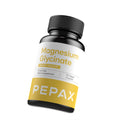
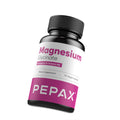
For women considering a formulated option, PEPAX Magnesium Glycinate with Astragalus & B6 provides magnesium in the glycinate form alongside vitamin B6 and the adaptogenic herb astragalus. The glycinate-B6 combination specifically targets the serotonergic and GABAergic pathways discussed above, while astragalus has been studied for its immunomodulatory and stress-adaptation properties in traditional Chinese medicine contexts. This formulation aligns with the mechanistic rationale for addressing both mood symptoms and stress reactivity during the luteal phase.
The Bottom Line on Magnesium PMDD Evidence
The evidence for magnesium in PMDD is promising but preliminary. Multiple small RCTs and mechanistic reviews support a biologically plausible role for magnesium in reducing premenstrual mood symptoms through GABA modulation, serotonin synthesis, and HPA axis regulation. However, no large, PMDD-specific RCT has definitively established efficacy, and effect sizes in existing studies are modest. Magnesium supplementation appears most appropriate as an adjunctive or first-line low-risk intervention for women with mild-to-moderate symptoms, documented dietary insufficiency, or those seeking complementary approaches alongside standard care. Women with severe, functionally impairing PMDD should prioritize evidence-based treatments—typically SSRIs or hormonal interventions—while considering magnesium as a potential adjunct under clinical guidance.
References
- Abbasi B, et al. "The effect of magnesium supplementation on primary insomnia in elderly: A double-blind placebo-controlled clinical trial." Journal of Research in Medical Sciences. 2012;17(12):1161–1169. [Source]
- Boyle NB, et al. "The Effects of Magnesium Supplementation on Subjective Anxiety and Stress — A Systematic Review." Nutrients. 2017;9(5):429. [Source]
- Gröber U, et al. "Magnesium in Prevention and Therapy." Nutrients. 2015;7(9):8199–8226. [Source]
- DiNicolantonio JJ, et al. "Subclinical magnesium deficiency: a principal driver of cardiovascular disease and a public health crisis." Open Heart. 2018;5(1):e000668. [Source]
- Tarleton EK, et al. "Role of magnesium supplementation in the treatment of depression: A randomized clinical trial." PLOS ONE. 2017;12(6):e0180067. [Source]
Featured Product
PEPAX Magnesium Glycinate with Astragalus & B6Magnesium glycinate · Astragalus root adaptogen · Vitamin B6 · clinical dose · cGMP certified
Shop Now →