





Thyroid hormone synthesis requires selenium and iodine, but magnesium plays an overlooked role in TSH receptor signaling and conversion of T4 to active T3. Deficiency is more common in autoimmune thyroid disease. This article covers the research.
The relationship between magnesium and thyroid function is one of the most underappreciated topics in endocrine nutrition. While iodine and selenium dominate the conversation about thyroid health, magnesium plays a critical enzymatic role in both thyroid hormone synthesis and peripheral conversion. For the millions of people living with Hashimoto's thyroiditis and hypothyroidism, understanding this mineral's contribution—and the risks of deficiency—can meaningfully inform their health strategy.
How Magnesium and Thyroid Hormones Interact at the Molecular Level
Magnesium is an essential cofactor for over 300 enzymatic reactions, and several of these directly govern thyroid physiology. The conversion of the relatively inactive thyroxine (T4) to the metabolically active triiodothyronine (T3) depends on deiodinase enzymes that require magnesium as a cofactor. Without adequate magnesium, this peripheral conversion slows, leaving patients with normal or elevated T4 but suboptimal T3 levels.
Beyond deiodination, magnesium stabilizes the hypothalamic-pituitary-thyroid (HPT) axis. Thyrotropin-releasing hormone (TRH) from the hypothalamus stimulates thyroid-stimulating hormone (TSH) release from the anterior pituitary. Magnesium-dependent ATP production fuels the signaling cascades that regulate this axis. Gröber et al. (2015) note that magnesium deficiency can blunt cellular energy availability, indirectly impairing the sensitivity of target tissues to thyroid hormones even when circulating levels appear adequate.
At the receptor level, magnesium influences thyroid hormone nuclear receptor binding. Low intracellular magnesium has been associated with reduced expression of thyroid hormone-responsive genes in preclinical models. While direct human RCTs isolating this mechanism remain limited, the biochemical rationale is well established: magnesium is required for the structural integrity of DNA-binding domains on nuclear receptors, including those activated by T3.
Magnesium and Thyroid Deficiency Risks in Hashimoto's Disease
Hashimoto's thyroiditis is an autoimmune condition characterized by lymphocytic infiltration of the thyroid gland and progressive destruction of thyrocytes. Patients with Hashimoto's face a dual burden: declining endogenous hormone production and, frequently, coexisting nutrient deficiencies that compound metabolic dysfunction. Magnesium deficiency is particularly common in this population, though it is rarely screened for in standard clinical practice.
The mechanism linking Hashimoto's to magnesium depletion is multifactorial. Chronic low-grade inflammation increases urinary magnesium excretion through stress-induced activation of the renin-angiotensin-aldosterone system. Additionally, many Hashimoto's patients follow restrictive elimination diets (gluten-free, dairy-free, autoimmune protocol) that, while potentially beneficial for immune modulation, may inadvertently reduce magnesium intake if not carefully planned. DiNicolantonio et al. (2018) estimate that subclinical magnesium deficiency affects up to half of the general population in developed countries, with higher prevalence in individuals with chronic inflammatory conditions.
Clinically, low magnesium in Hashimoto's patients may manifest as worsened fatigue, muscle cramps, sleep disruption, and mood disturbances—symptoms often attributed solely to thyroid hormone insufficiency. This overlap means magnesium deficiency is frequently missed. Correcting magnesium status does not replace thyroid hormone replacement therapy, but it may improve the symptomatic burden that persists despite normalized TSH. For readers experiencing persistent symptoms, our guide to magnesium deficiency symptoms and testing provides a practical framework for evaluation.
Hypothyroidism and Magnesium: What the Evidence Shows
Hypothyroidism—whether from Hashimoto's, post-ablative therapy, or congenital causes—alters magnesium handling at multiple levels. Reduced metabolic rate decreases intestinal motility, which can impair magnesium absorption. At the same time, hypothyroid-associated changes in renal function alter magnesium excretion patterns, creating a complex net effect that varies by patient and disease severity.
Most human studies to date are small-scale and observational. A consistent finding across multiple cohorts is that patients with overt hypothyroidism tend to have lower serum and erythrocyte magnesium concentrations compared to euthyroid controls. However, serum magnesium is a poor marker of total body status, and erythrocyte levels—while more informative—are not routinely measured in clinical practice. This measurement limitation means the true prevalence of functional magnesium deficiency in hypothyroidism is likely underestimated.
The clinical question is whether magnesium supplementation improves outcomes in hypothyroid patients beyond correcting deficiency. Here, the evidence is preliminary. No large-scale RCT has specifically examined magnesium supplementation as an adjunct to levothyroxine therapy. Small mechanistic studies suggest that restoring magnesium may improve peripheral T4-to-T3 conversion and reduce symptoms such as muscle weakness and nocturnal cramping, but these findings require confirmation in adequately powered trials. What is clear is that magnesium and thyroid function are biochemically intertwined, and ignoring this relationship leaves a modifiable variable unaddressed.
| Parameter | Typical Finding in Hypothyroidism | Clinical Relevance |
|---|---|---|
| Serum magnesium | Low-normal or below reference range | Poor sensitivity for total body status |
| Erythrocyte magnesium | Frequently reduced | Better reflects intracellular pools |
| Urinary magnesium excretion | Variable; may be increased with inflammation | Confounded by renal function |
| Intracellular free magnesium | Often reduced in skeletal muscle | Associated with cramps and weakness |
| Response to supplementation | Symptomatic improvement in 4–8 weeks | Most evidence from non-thyroid-specific trials |
Comparing Magnesium Forms for Thyroid Support
Not all magnesium formulations are equivalent when it comes to bioavailability, gastrointestinal tolerability, and tissue distribution. For patients with thyroid conditions—who may already experience altered gut motility and absorption—form selection matters.
Magnesium glycinate is a chelated form in which magnesium is bound to the amino acid glycine. This chelation protects the mineral from interaction with dietary phytates and oxalates that impair absorption, and it eliminates the osmotic laxative effect common with magnesium oxide and citrate. Glycine itself has calming properties that may benefit sleep and stress resilience, both of which are relevant to thyroid patients. Gröber et al. (2015) highlight that organic magnesium salts, including glycinate, demonstrate superior bioavailability compared to inorganic forms in pharmacokinetic studies.
Magnesium citrate is well-absorbed but has a more pronounced osmotic effect, making it less suitable for patients with existing diarrhea or hypermotility. Magnesium oxide, despite its high elemental magnesium content, has fractional absorption rates as low as 4% in some studies and is generally not recommended for repletion purposes. Magnesium threonate shows promise for central nervous system penetration but lacks thyroid-specific outcome data.
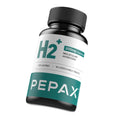
For individuals with Hashimoto's or hypothyroidism who also face immune and bone health concerns, formulations that combine magnesium with complementary cofactors offer practical advantages. PEPAX Magnesium Glycinate with Vitamin C & D3 provides the chelated glycinate form alongside vitamin D3, which itself interacts with thyroid receptor signaling and is frequently suboptimal in autoimmune thyroid disease. Vitamin C supports adrenal function and antioxidant status, both of which are relevant to the stress-thyroid axis. The interplay between magnesium and vitamin D is particularly important; our article on magnesium's role in activating vitamin D absorption explains why these nutrients should not be considered in isolation.
| Form | Elemental Mg % | Bioavailability | GI Tolerability | Best For |
|---|---|---|---|---|
| Magnesium glycinate | ~14% | High | Excellent | Daily repletion, sensitive stomachs |
| Magnesium citrate | ~16% | High | Moderate (laxative) | Occasional constipation |
| Magnesium oxide | ~60% | Low | Poor (diarrhea common) | Not recommended for repletion |
| Magnesium threonate | ~8% | Moderate (CNS-targeted) | Good | Cognitive support (limited thyroid data) |
Who Benefits Most from Addressing Magnesium and Thyroid Status
Certain populations show the strongest rationale for targeted magnesium assessment and repletion in the context of thyroid disease. The evidence is not equally distributed across all patient groups, and an honest appraisal requires distinguishing where the data are strongest from where they remain speculative.
Patients with persistent symptoms despite euthyroid TSH. A substantial subset of hypothyroid patients on levothyroxine continue to report fatigue, depression, and cognitive slowing even when laboratory values normalize. While multiple factors contribute, uncorrected magnesium deficiency is a plausible and modifiable contributor. Tarleton et al. (2017) demonstrated that magnesium chloride supplementation (248 mg elemental magnesium daily for 6 weeks) significantly improved depression scores in adults with mild-to-moderate symptoms, a finding relevant to the mood disturbances common in thyroid disorders.
Individuals with autoimmune thyroiditis and elevated inflammatory markers. Hashimoto's is fundamentally an inflammatory condition, and magnesium modulates innate immune signaling. Low magnesium status is associated with elevated C-reactive protein (CRP) and pro-inflammatory cytokines. Readers interested in this mechanism can explore our detailed review of magnesium's effects on inflammation and CRP. For patients with documented elevations in inflammatory markers, magnesium repletion may offer adjunctive benefit alongside standard autoimmune management.
Postmenopausal women with hypothyroidism. This group faces converging risks: declining estrogen affects thyroid binding globulin, age reduces intestinal magnesium absorption, and bone mineral density depends on both thyroid status and magnesium availability. The combination of hypothyroidism and magnesium insufficiency may compound musculoskeletal symptoms.
Patients on proton pump inhibitors or diuretics. These medications, commonly prescribed to older adults with multiple comorbidities, increase magnesium wasting. When combined with the absorption challenges of hypothyroidism, the risk of clinically significant deficiency rises substantially.
Those with suboptimal vitamin D status. Magnesium is required for the hepatic and renal hydroxylation steps that convert vitamin D into its active form. Hypothyroid patients frequently have low vitamin D, and supplementation without adequate magnesium may be inefficient. Our analysis of optimal vitamin D3 levels and supplementation strategies covers target ranges and testing intervals.
Practical Takeaways on Magnesium and Thyroid Health
- Test beyond serum magnesium. Request erythrocyte magnesium or consider a magnesium loading test if clinical suspicion is high. Serum levels miss a substantial proportion of functional deficiencies.
- Prioritize bioavailable forms. Magnesium glycinate offers high absorption with minimal gastrointestinal side effects, making it suitable for long-term daily use in thyroid patients.
- Allow 6–8 weeks for symptomatic assessment. Tissue magnesium repletion is gradual. Evaluate muscle cramps, sleep quality, and energy after consistent supplementation rather than expecting immediate effects.
- Consider cofactor synergy. Vitamin D3 and magnesium operate in a bidirectional activation pathway. Ensuring both are adequate is more effective than addressing either in isolation.
- Do not discontinue thyroid medication. Magnesium supports thyroid biochemistry but does not replace hormone replacement. Any supplementation should complement, not substitute for, prescribed therapy.
- Monitor for interactions. Magnesium should be separated from levothyroxine by at least 4 hours to avoid reducing medication absorption. This timing applies to calcium and iron supplements as well.
The Bottom Line on Magnesium and Thyroid Function
The connection between magnesium and thyroid health is biologically plausible, mechanistically well grounded, and clinically underutilized. Magnesium serves as an enzymatic cofactor in hormone synthesis and conversion, and deficiency appears common among patients with Hashimoto's and hypothyroidism—yet it is rarely screened for or treated in endocrine practice. Most human studies to date are small-scale, and large RCTs specifically examining magnesium as an adjunct to thyroid therapy are lacking. That said, given the safety profile of magnesium repletion, the low cost of assessment, and the breadth of symptomatic overlap between deficiency and thyroid disease, evaluating magnesium status represents a rational, evidence-informed step for patients seeking to optimize their metabolic health.
References
- Abbasi B, et al. "The effect of magnesium supplementation on primary insomnia in elderly: A double-blind placebo-controlled clinical trial." Journal of Research in Medical Sciences. 2012;17(12):1161–1169. [Source]
- Boyle NB, et al. "The Effects of Magnesium Supplementation on Subjective Anxiety and Stress — A Systematic Review." Nutrients. 2017;9(5):429. [Source]
- Gröber U, et al. "Magnesium in Prevention and Therapy." Nutrients. 2015;7(9):8199–8226. [Source]
- DiNicolantonio JJ, et al. "Subclinical magnesium deficiency: a principal driver of cardiovascular disease and a public health crisis." Open Heart. 2018;5(1):e000668. [Source]
- Tarleton EK, et al. "Role of magnesium supplementation in the treatment of depression: A randomized clinical trial." PLOS ONE. 2017;12(6):e0180067. [Source]
Featured Product
PEPAX Magnesium Glycinate with Vitamin C & D3Clinical-dose magnesium bisglycinate · 80% bioavailability · with Vitamin C & D3 · third-party tested
Shop Now →