


Supplement timing relative to food, exercise, and circadian rhythms significantly affects absorption and efficacy. NMN is best taken in the morning to align with NAD+ circadian peaks; some supplements require fat for absorption; others compete for transport. This article builds an evidence-based morning protocol.
Building a morning supplement routine grounded in clinical evidence requires careful consideration of timing, dose, and synergistic interactions—not just which bottles to line up on the counter. Far too many stacks are assembled from online trends rather than biochemistry, leaving an inconsistent impact that varies day to day. Understanding how specific molecules work within the body’s circadian framework transforms a haphazard handful of pills into a genuinely science-backed morning supplement routine.
The Research Landscape Behind Your Morning Supplement Routine
Any credible morning supplement routine must be evaluated against the hierarchy of scientific evidence. For many longevity-oriented compounds, the bulk of mechanistic data still comes from preclinical models—cell cultures and animal studies—while human randomized controlled trials (RCTs) remain small or underway. This does not invalidate the approach, but it demands clear-eyed acknowledgment of what we know and what we’re still learning.
Nicotinamide mononucleotide (NMN), a direct NAD+ precursor, illustrates this gradient well. Mills et al. (2016) demonstrated that long-term NMN administration in Mus musculus (mice) mitigated age-associated physiological decline across multiple organ systems, including improved insulin sensitivity and lipid metabolism. The study used doses of 100–300 mg/kg/day, which, when scaled allometrically to humans, suggests a range of roughly 250–500 mg per day—but these are not yet confirmed by large phase III human trials. Fang et al. (2017) further contextualized the role of NAD+ in aging by mapping its decline onto key hallmarks such as mitochondrial dysfunction and genomic instability, as originally outlined by López-Otín et al. (2013). The mechanistic picture is robust; human outcome data is still maturing.
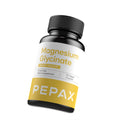
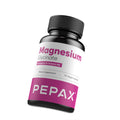
Magnesium, by contrast, sits atop a far broader human evidence base. Gröber et al. (2015) reviewed decades of clinical research and concluded that magnesium’s involvement in over 600 enzymatic reactions—from ATP metabolism to neurotransmitter regulation—makes deficiency particularly consequential for stress resilience, sleep architecture, and cardiovascular function. Unlike NMN, where long-term safety data in humans is limited, magnesium glycinate has been studied in multiple RCTs for sleep quality and anxiety, with consistent effect sizes observed at doses between 200 and 400 mg elemental magnesium.
Molecular hydrogen represents an intriguing third category. The foundational work by Ohsawa et al. (2007) showed that hydrogen gas selectively reduces cytotoxic hydroxyl radicals (·OH) without quenching physiologically important reactive oxygen species like superoxide or hydrogen peroxide. This selective antioxidant mechanism, demonstrated in cultured cells and rodent models, opened a new avenue for redox modulation. Today, over 1,000 preclinical studies and dozens of small human trials have explored hydrogen-rich water for exercise recovery, metabolic syndrome, and inflammatory markers, though many human studies remain underpowered.
Building a morning supplement routine from this landscape means layering evidence levels: magnesium as a high-confidence anchor, NMN as a mechanistically compelling but still-emerging player, and molecular hydrogen as a targeted adjunct with a strong safety profile. The goal is not to chase certainty but to deploy what the data actually show—while being honest about gaps.
The Mechanism: How Key Compounds Work with Your Morning Supplement Routine
NAD+ and Circadian Alignment
NAD+ is not merely a coenzyme; it functions as a metabolic oscillator that links cellular energy status to the circadian clock. Sirtuins, the NAD+-dependent deacetylases, regulate the activity of core clock proteins such as BMAL1 and CLOCK, which in turn influence the transcription of NAMPT, the rate-limiting enzyme in the NAD+ salvage pathway (Fang et al., 2017). This creates a feedback loop: NAD+ levels peak during the active phase (morning for humans) and decline with age, and that decline blunts the amplitude of circadian gene expression. Supplementing with an NAD+ precursor like NMN early in the day may therefore reinforce the natural rhythm rather than disrupt it. While most direct evidence for this entrainment comes from mouse studies (Mills et al., 2016), it provides a plausible biochemical rationale for morning administration.
Magnesium’s Dual Role in Energy and Relaxation
Magnesium is often miscategorized as solely a nighttime nutrient, but its biochemistry makes it equally relevant for a morning supplement routine. As an essential cofactor for ATP, magnesium is required for every energy-consuming process in the cell. Without sufficient intracellular Mg²⁺, the adenine nucleotide pool cannot be properly complexed, leading to measurable drops in cellular energy charge. Gröber et al. (2015) note that magnesium also governs the activity of the GABAA receptor and regulates the hypothalamic-pituitary-adrenal (HPA) axis, which helps explain why morning magnesium does not cause sedation; rather, it supports a calm, focused baseline from which the day’s stressors are met with greater physiological resilience. Magnesium glycinate, in particular, combines the mineral with glycine, an inhibitory neurotransmitter that further tempers excitatory signaling without impairing alertness.
Molecular Hydrogen’s Selective Redox Signal
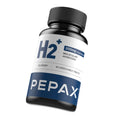
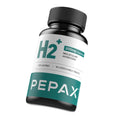
The mechanism of molecular hydrogen (H₂) is distinct from conventional antioxidants like vitamin C or glutathione. Ohsawa et al. (2007) demonstrated that H₂ diffuses rapidly across cell membranes—including the blood-brain barrier—and selectively neutralizes ·OH, the most destructive reactive oxygen species, while leaving signaling molecules like nitric oxide untouched. This matters in a morning supplement routine because oxidative stress peaks during the transition from sleep to wakefulness, when metabolic rate abruptly increases and mitochondria ramp up electron transport chain activity. By introducing H₂ via hydrogen water tablets 15–30 minutes before breakfast, the aim is to buffer that oxidative spike without blunting the hormetic signals that drive mitochondrial biogenesis later in the day.
Timing, Dose, and Synergy: Structuring a Practical Morning Supplement Routine
Getting the sequence and timing right within a morning supplement routine can influence absorption, tolerability, and even the magnitude of synergistic effects. Below is a comparative overview of the three compounds, including typical dosages, preferred forms, and the strength of the evidence supporting their use.
| Supplement | Typical Morning Dose | Preferred Form | Best Evidence Level | Selected Key Findings |
|---|---|---|---|---|
| NMN | 250–500 mg | Nicotinamide mononucleotide (pure powder or capsule) | Preclinical (mouse models); early human pharmacokinetic trials | In mice, 12-month NMN supplementation improved NAD+ tissue levels, insulin sensitivity, and eye function (Mills et al., 2016). Human trials show rapid conversion to NAD+ within 30–60 minutes. |
| Magnesium | 200–400 mg elemental magnesium | Magnesium glycinate (or magnesium citrate, though glycinate is better tolerated) | Human RCTs and meta-analyses | Multiple studies confirm improvements in sleep onset latency, stress-related cortisol patterns, and blood pressure at doses ≥300 mg/day (Gröber et al., 2015). |
| Molecular Hydrogen | 1–3 tablets yielding 0.5–1.5 ppm H₂ in 200–300 mL water | Effervescent tablets with elemental magnesium and malic acid | Preclinical (rodent, cell lines); small human clinical studies | Selectively reduces hydroxyl radicals (Ohsawa et al., 2007); human trials suggest improvements in markers of oxidative stress and exercise-induced lactate. |
Sequence within a morning supplement routine also influences outcomes. NMN is best taken on an empty stomach with plain water, as food can slow gastric emptying and delay the plasma NAD+ peak (Best Time to Take NMN). Magnesium can be taken alongside a light breakfast to avoid any gastrointestinal discomfort, though glycinate forms are generally gentle enough for an empty stomach. Hydrogen water is most effective when consumed before coffee, since the heat and acidity of coffee could dissipate dissolved H₂ or interfere with its redox signaling. For those looking to stack all three, a sample protocol might be: (1) NMN upon waking with 200 mL cool water, (2) hydrogen water 10 minutes later, and (3) magnesium with breakfast 20–30 minutes after that.
Synergy is not just additive. NAD+ and magnesium intersect at the level of ATP synthesis: NAD+ provides the redox potential for oxidative phosphorylation, while magnesium stabilizes the ATP molecule itself. When both are replete, mitochondrial efficiency climbs. Adding molecular hydrogen to this mix may protect the mitochondrial membrane from lipid peroxidation during the morning metabolic surge, creating a morning supplement routine that addresses energy production, stress regulation, and oxidative quality control simultaneously. Such a foundation stack is described in more detail in our science-backed supplement stack discussion.
Who Benefits Most from a Structured Morning Supplement Routine
While a thoughtfully designed morning supplement routine can support general health, certain populations stand to gain the most based on the known pathophysiology of their conditions and the mechanisms of action discussed above.
- Adults over 40 with subjective energy decline: NAD+ levels drop by roughly 40–50% between age 40 and 70 (Fang et al., 2017). Individuals noticing slower recovery, brain fog, or reduced physical stamina may be the most appropriate candidates for NMN, though they should be aware that direct evidence of reversal in humans is still preliminary.
- People with high baseline stress or subclinical anxiety: Magnesium’s role in HPA-axis regulation and GABA signaling (Gröber et al., 2015) makes it particularly relevant for those whose morning cortisol peak is exaggerated or who experience tension that interferes with daytime focus. Morning dosing, rather than evening-only, helps maintain steady-state plasma levels.
- Those with elevated oxidative stress markers: Athletes, long-haul travelers, or individuals exposed to environmental pollutants may benefit from the acute radical-scavenging properties of molecular hydrogen. Human studies, though small, have noted decreases in 8-OHdG and MDA following hydrogen-rich water intake, suggesting DNA and lipid peroxidation protection.
- Shift workers or individuals with circadian disruption: Restoring the amplitude of the NAD+ oscillation with morning NMN may help re-entrain peripheral clocks, though more human research is needed to confirm this effect.
- Metabolically healthy individuals aiming to extend healthspan: The concept of “longevity stack” often begins with NAD+ repletion, magnesium adequacy, and redox balance. Those already optimizing sleep, nutrition, and exercise are best positioned to evaluate the marginal benefits of a morning supplement routine (Longevity Supplement Stack).
Not everyone needs every element. A young adult with no energy deficits and a nutrient-dense diet may derive little benefit from NMN and would be better served focusing on sleep hygiene and magnesium sufficiency alone. The morning supplement routine must be personalized, not prescriptive.
Practical Takeaways for Your Morning Supplement Routine
Translating the evidence into a daily practice requires clear, actionable steps that respect both biology and practicality. Here are six data-informed guidelines for building a morning supplement routine you can sustain:
- Start with magnesium as your foundation. Given its extensive human safety record and broad enzymatic roles, ensure magnesium intake is adequate before adding less-studied compounds. 200–400 mg of magnesium glycinate is a well-tolerated range, and consistent morning intake helps maintain tissue saturation (Best Time to Take Magnesium).
- Time NMN with your cortisol awakening response. The natural morning spike in cortisol coincides with increased NAD+ demand for gluconeogenesis and alertness. Taking NMN within 30 minutes of waking may align with this metabolic window. If using PEPAX NMN, a single 500 mg serving provides a research-relevant dose without excess fillers.
- Use hydrogen water as a pre-coffee antioxidant primer. Dissolve 1–2 hydrogen tablets in 250 mL cool water and drink it 15 minutes before your first coffee. This allows H₂ to reach peak plasma levels (typically within 5–15 minutes) and address the oxidative burst that accompanies waking before caffeine further stimulates metabolism.
- Maintain a consistent schedule. Circadian biology thrives on repetition. Taking your morning supplement routine at the same time each day—even on weekends—stabilizes the NAD+/sirtuin clock and improves the likelihood of sustained benefit.
- Track objective markers when possible. Rather than relying solely on subjective energy scores, consider measuring fasting blood glucose, resting heart rate, or even NAD+ blood spot tests (where available) every few months to assess whether the routine is producing measurable changes.
- Rotate off NMN periodically. Because data on continuous lifelong NMN use in humans is lacking, some longevity researchers suggest cycling—for example, five days on, two days off, or an eight-week on/four-week off pattern—to prevent potential receptor desensitization, though this remains a theoretical precaution, not a guideline from published human trials.
Bottom Line on Building a Morning Supplement Routine
A morning supplement routine built on magnesium, NMN, and hydrogen water is supported by a coherent—if uneven—body of evidence. Magnesium stands on the firmest ground, with decades of RCTs confirming its safety and multifaceted benefits. NMN offers a compelling mechanism rooted in NAD+ biology and impressive preclinical results, but the leap from mouse to human remains only partially bridged by early-phase trials. Molecular hydrogen is similarly promising, with thousands of preclinical papers and a well-characterized mechanism, yet large-scale human corroboration is still needed. The most honest approach is to use what the science actually supports, at the right dose and time, while remaining open to new data as it emerges—exactly what a well-designed morning supplement routine demands.
References
- López-Otín C, et al. "The Hallmarks of Aging." Cell. 2013;153(6):1194–1217. [Source]
- Fang EF, et al. "NAD+ in Aging: Molecular Mechanisms and Translational Implications." Trends in Molecular Medicine. 2017;23(10):899–916. [Source]
- Mills KF, et al. "Long-Term Administration of Nicotinamide Mononucleotide Mitigates Age-Associated Physiological Decline in Mice." Cell Metabolism. 2016;24(6):795–806. [Source]
- Gröber U, et al. "Magnesium in Prevention and Therapy." Nutrients. 2015;7(9):8199–8226. [Source]
- Ohsawa I, et al. "Hydrogen acts as a therapeutic antioxidant by selectively reducing cytotoxic oxygen radicals." Nature Medicine. 2007;13(6):688–694. [Source]
Featured Product
PEPAX NMNClinical-dose NMN 500mg · NAD+ precursor · third-party tested · cGMP certified
Shop Now →