


VO2 max — the ceiling on how much oxygen your body can use — is one of the strongest predictors of all-cause mortality, rivaling or beating traditional risk factors. This article explains why fitness is so protective, how it ties to mitochondrial and NAD+ biology, and what supplements can and can't do here.
The relationship between VO2 max and longevity is one of the most robust findings in exercise physiology. VO2 max—maximal oxygen uptake—measures how efficiently your body transports and uses oxygen during intense exercise. Decades of epidemiological data show that higher VO2 max values predict lower all-cause mortality across age groups, often more reliably than traditional risk factors like smoking or hypertension. For anyone interested in extending healthspan, understanding this biomarker is essential.
What the Research Shows About VO2 Max and Longevity
Large-scale observational studies consistently demonstrate that cardiorespiratory fitness, quantified as VO2 max, is inversely associated with mortality risk. A landmark analysis of over 122,000 participants found that individuals in the lowest quintile of fitness had a five-fold higher risk of all-cause mortality compared to those in the highest quintile. This association holds across sexes, ethnicities, and baseline health statuses.
The evidence quality varies by study design. Most prospective cohort studies adjust for confounders including age, body mass index, smoking status, and comorbidities. However, randomized controlled trials directly testing VO2 max improvement against mortality endpoints are scarce—primarily because such trials would require decades and tens of thousands of participants. The existing human data is therefore overwhelmingly observational, though remarkably consistent across populations.
Key study characteristics in the literature include:
- Participant populations ranging from sedentary middle-aged adults to elite masters athletes
- Follow-up periods typically spanning 8–25 years
- VO2 max measurement via maximal treadmill or cycle ergometer protocols with respiratory gas analysis
- Mortality tracking through national death registries
Importantly, the protective association between VO2 max and longevity appears dose-dependent. Even modest improvements from a low baseline confer substantial risk reduction—suggesting that sedentary individuals have the most to gain from targeted aerobic training.
The Molecular Mechanism Linking VO2 Max and Longevity
VO2 max reflects the integrated function of multiple physiological systems: pulmonary oxygen diffusion, cardiac output, hemoglobin concentration, skeletal muscle mitochondrial density, and capillary supply. At the cellular level, the common thread connecting these systems is mitochondrial oxidative capacity.
Mitochondria consume approximately 90% of the oxygen we breathe to generate ATP through oxidative phosphorylation. With aging, mitochondrial function declines due to accumulated DNA damage, impaired mitophagy, and reduced biogenesis—a process described in the hallmarks of aging framework (López-Otín et al. 2013). This decline directly limits VO2 max because skeletal muscle cannot utilize delivered oxygen efficiently.
NAD+ (nicotinamide adenine dinucleotide) serves as a critical cofactor in mitochondrial energy metabolism. It functions as an electron carrier in the Krebs cycle and electron transport chain, and also serves as a substrate for sirtuins and PARPs involved in DNA repair and stress resistance. NAD+ levels decline with age in multiple tissues, contributing to mitochondrial dysfunction (Fang et al. 2017). Animal studies demonstrate that restoring NAD+ precursors can improve mitochondrial function and exercise capacity. Long-term administration of nicotinamide mononucleotide (NMN) mitigated age-associated physiological decline in mice, including markers of metabolic health and physical function (Mills et al. 2016). Most human studies to date are small-scale, and translation from mouse models remains uncertain.
Other molecular pathways linking fitness to longevity include:
- Enhanced autophagy and mitophagy, clearing damaged cellular components
- Improved insulin sensitivity and metabolic flexibility
- Reduced systemic inflammation and oxidative stress
- Maintenance of telomere length in leukocytes
These mechanisms are not independent—they form an integrated network where mitochondrial health sits at the center. This mechanistic understanding helps explain why VO2 max and longevity are so tightly coupled: maximal oxygen uptake is essentially a functional readout of mitochondrial and cardiovascular health.
How VO2 Max Compares to Other Longevity Biomarkers
VO2 max is not the only predictor of lifespan, but it is among the most predictive functional measures. The table below compares VO2 max against other commonly discussed biomarkers in terms of evidence strength and clinical utility.
| Biomarker | Measurement Method | Evidence Quality | Key Limitation |
|---|---|---|---|
| VO2 max | Maximal exercise test with gas analysis | Strong observational; limited RCT data | Requires specialized equipment and medical clearance |
| Resting heart rate | Pulse or ECG | Moderate | Influenced by medications, fitness, and autonomic tone |
| HbA1c | Blood test | Strong for metabolic disease | Reflects glycemic control, not functional capacity |
| Inflammatory markers (CRP, IL-6) | Blood test | Moderate | Nonspecific; elevated by acute illness |
| Telomere length | qPCR or flow-FISH | Emerging | High variability; clinical significance debated |
What distinguishes VO2 max is that it captures the functional output of multiple organ systems rather than a single biochemical parameter. A low VO2 max signals suboptimal cardiovascular, pulmonary, and muscular function simultaneously. This integrative nature makes it particularly valuable for longevity prediction.
From an intervention perspective, VO2 max is also uniquely actionable. Unlike genetic markers or fixed demographic factors, cardiorespiratory fitness responds to training. Studies in older adults show that structured aerobic exercise can improve VO2 max by 15–25% even when initiated after age 60. This trainability underscores the practical relevance of measuring and improving this biomarker.
Who Benefits Most from Improving VO2 Max for Longevity
The evidence for VO2 max and longevity is strongest in specific populations where the risk gradient is steepest. Understanding these groups helps prioritize screening and intervention efforts.
Sedentary middle-aged adults represent the highest-impact population. Individuals who move from the bottom fitness quintile to even the second-lowest quintile achieve approximately 50% reduction in mortality risk. This "low-hanging fruit" phenomenon means that the greatest longevity gains come from the smallest initial investments in activity for the most deconditioned individuals.
Older adults (65+) also show strong associations. In cohorts of septuagenarians, VO2 max remains an independent predictor of survival even after accounting for frailty indices and comorbidity burden. The absolute values are lower than in younger populations, but the relative risk stratification remains powerful.
Individuals with cardiometabolic disease benefit as well. In patients with type 2 diabetes, coronary artery disease, or heart failure, higher VO2 max predicts fewer hospitalizations and lower cardiovascular mortality. Exercise-based cardiac rehabilitation programs explicitly target VO2 max improvement for this reason.
Conversely, the association between VO2 max and longevity attenuates at the extreme high end. Elite endurance athletes do not appear to live substantially longer than moderately fit individuals, suggesting a plateau effect. The curve is steep at low-to-moderate fitness levels and flattens at higher values—consistent with diminishing returns.
It is worth noting that most human studies to date are observational. While the consistency across populations is compelling, causality cannot be definitively established. Fitness may proxy for other health behaviors, socioeconomic factors, or genetic predispositions that independently influence lifespan.
Practical Strategies to Improve VO2 Max
Improving VO2 max requires structured, progressive aerobic training. The following evidence-based approaches are supported by exercise physiology research:
- High-intensity interval training (HIIT): Repeated bouts of near-maximal effort (≥90% maximal heart rate) interspersed with recovery periods. HIIT produces larger VO2 max improvements than moderate continuous training in time-matched comparisons.
- Zone 2 training: Sustained exercise at 60–70% maximal heart rate for 45–90 minutes. This builds mitochondrial density and fat oxidation capacity, forming the aerobic base upon which higher intensities build.
- Progressive overload: Gradual increases in training volume or intensity by approximately 5–10% per week. Avoid abrupt spikes that increase injury risk.
- Consistency over intensity: Maintaining regular training for months and years matters more than any single session. VO2 max declines rapidly with detraining—within 2–4 weeks of inactivity.
- Recovery and sleep: Adaptations occur during recovery, not during the workout itself. Aim for 7–9 hours of sleep and schedule rest days.
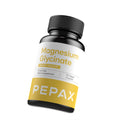
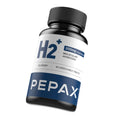
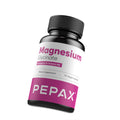
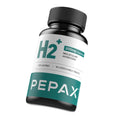
- Nutritional support: Adequate iron status, B-vitamin sufficiency, and magnesium intake support oxygen transport and energy metabolism. Magnesium functions as a cofactor in over 300 enzymatic reactions, including ATP production and muscle contraction (Gröber et al. 2015). Hydrogen water has also been studied for its selective antioxidant properties, with preclinical evidence showing reduction of cytotoxic oxygen radicals (Ohsawa et al. 2007).
For individuals interested in cellular energy support alongside training, NAD+ precursors such as NMN have been investigated for their effects on mitochondrial function. NMN and mitochondria research explores how NAD+ metabolism intersects with cellular energy production. NMN and exercise capacity examines whether supplementation complements aerobic training adaptations. PEPAX NMN provides 500mg per serving, a dose used in several human clinical trials. However, most human studies to date are small-scale, and NMN should not replace established exercise and nutrition strategies.
Supplements and Adjuncts: Where They Fit
The question of whether supplements can augment VO2 max improvements is common among longevity-focused individuals. The honest answer: no supplement has been shown to increase VO2 max comparably to structured exercise. However, certain compounds may support the physiological systems that underlie cardiorespiratory fitness.
Magnesium is essential for muscle contraction, oxygen uptake, and energy metabolism. Subclinical magnesium deficiency is common in Western populations and may impair exercise performance and recovery. Supplementation in deficient individuals can improve muscle function and reduce cramping (Gröber et al. 2015).
NAD+ precursors represent a more speculative but mechanistically grounded category. By supporting mitochondrial function, compounds like NMN may help maintain the cellular machinery that aerobic training depends upon. Anti-aging supplements in 2025 provides a broader overview of the current evidence landscape for longevity-focused compounds. The evidence-based longevity stack discusses how NMN, magnesium, and molecular hydrogen can be approached as complementary rather than replacement strategies.
Molecular hydrogen, delivered via hydrogen water tablets, has shown selective antioxidant effects in preclinical models (Ohsawa et al. 2007). Human exercise studies are limited and mixed. This is based on preclinical evidence, and clinical translation remains uncertain.
The hierarchy of intervention for improving VO2 max and longevity remains clear: exercise first, nutrition second, targeted supplementation third. No compound bypasses the need for physical training.
Bottom Line on VO2 Max and Longevity
The association between VO2 max and longevity is one of the most consistent findings in preventive medicine. Higher cardiorespiratory fitness predicts lower mortality across populations, with the steepest risk reduction occurring when moving from low to moderate fitness levels. While most evidence is observational and causality cannot be proven, the mechanistic links to mitochondrial function, metabolic health, and inflammation provide biological plausibility. Improving VO2 max through structured aerobic training remains one of the most evidence-based strategies for extending healthspan—supplements may play a supporting role, but they cannot substitute for the physiological stimulus of exercise itself.
References
- López-Otín C, et al. "The Hallmarks of Aging." Cell. 2013;153(6):1194–1217. [Source]
- Fang EF, et al. "NAD+ in Aging: Molecular Mechanisms and Translational Implications." Trends in Molecular Medicine. 2017;23(10):899–916. [Source]
- Mills KF, et al. "Long-Term Administration of Nicotinamide Mononucleotide Mitigates Age-Associated Physiological Decline in Mice." Cell Metabolism. 2016;24(6):795–806. [Source]
- Gröber U, et al. "Magnesium in Prevention and Therapy." Nutrients. 2015;7(9):8199–8226. [Source]
- Ohsawa I, et al. "Hydrogen acts as a therapeutic antioxidant by selectively reducing cytotoxic oxygen radicals." Nature Medicine. 2007;13(6):688–694. [Source]
Featured Product
PEPAX NMNClinical-dose NMN 500mg · NAD+ precursor · third-party tested · cGMP certified
Shop Now →