


Investigate how magnesium deficiency may contribute to acne through androgen regulation, inflammation, and stress hormone pathways, plus clinical evidence.
The relationship between Magnesium and Acne remains one of the most underexplored yet clinically relevant topics in dermatological nutrition. While topical retinoids and antibiotics dominate conventional acne treatment, emerging evidence suggests that magnesium status may influence the hormonal and inflammatory pathways that drive breakouts—particularly in adults with stress-related or cyclical acne patterns. This article examines what the current research actually shows, where the evidence is strong, and where it remains speculative.
What the Research Says About Magnesium and Acne
Direct human randomized controlled trials examining Magnesium and Acne outcomes are scarce. No large-scale RCT has tested magnesium supplementation as a standalone intervention for acne vulgaris, and the existing literature relies primarily on observational associations, mechanistic studies, and indirect evidence from trials targeting related endpoints such as inflammation, stress, and hormonal balance.
What we do have is suggestive. Magnesium deficiency has been correlated with elevated C-reactive protein (CRP) and pro-inflammatory cytokines in multiple cohorts, and chronic low-grade inflammation is a well-established contributor to acne pathogenesis. Gröber et al. (2015) note that subclinical magnesium deficiency affects an estimated 10–30% of the population, often without obvious symptoms, yet may drive systemic inflammatory signaling through NF-κB activation and cytokine release. The implication for skin health is indirect but biologically plausible: if magnesium dampens systemic inflammation, it may reduce the inflammatory cascade that worsens acne lesions.
The evidence quality pyramid for Magnesium and Acne looks like this: strong preclinical and mechanistic data at the base, moderate observational evidence in the middle, and very limited direct clinical trial data at the top. Most human studies to date are small-scale, use surrogate biomarkers rather than skin outcomes, and were not designed to answer dermatological questions. This is an important limitation to acknowledge upfront.
How Magnesium Influences Hormonal Skin Inflammation
Acne is fundamentally a disorder of the pilosebaceous unit driven by four core factors: excess sebum production, follicular hyperkeratinization, Cutibacterium acnes colonization, and inflammation. Magnesium intersects with at least three of these pathways through endocrine and immunomodulatory mechanisms.
First, magnesium regulates cortisol secretion and glucocorticoid receptor sensitivity. Boyle et al. (2017) demonstrated in their systematic review that magnesium supplementation reduced subjective anxiety in stressed individuals, with mechanistic support for HPA axis modulation. Chronic cortisol elevation increases sebum production, upregulates insulin-like growth factor-1 (IGF-1), and promotes inflammatory cytokine release in dermal fibroblasts—all of which exacerbate acne. By attenuating cortisol spikes, magnesium may indirectly reduce the hormonal stress signals that trigger breakouts.
Second, magnesium is a cofactor for sex hormone-binding globulin (SHBG) synthesis. Lower SHBG levels correlate with higher free testosterone, which stimulates sebocyte proliferation and sebum secretion. In populations with PCOS-related acne, insulin resistance and androgen excess are dominant features, and magnesium supplementation has shown modest improvements in insulin sensitivity and androgen profiles. For readers interested in this hormonal axis, our article on Magnesium and PCOS: Insulin Resistance, Androgen Levels, and Hormonal Balance explores the mechanism in greater depth.
Third, magnesium directly modulates inflammatory signaling. It acts as a natural calcium antagonist in immune cells, suppressing neutrophil respiratory burst and reducing IL-6 and TNF-α production. DiNicolantonio et al. (2018) describe subclinical magnesium deficiency as a "principal driver of cardiovascular disease and a public health crisis," emphasizing its role in systemic inflammation. The same inflammatory mediators implicated in cardiovascular risk—CRP, IL-6, TNF-α—are also elevated in severe acne lesions. This mechanistic overlap is why researchers hypothesize that magnesium repletion could benefit inflammatory acne, even without direct acne-specific trials.
Magnesium Forms, Dosages, and Skin-Relevant Comparisons
Not all magnesium formulations are equivalent in terms of bioavailability, tolerability, or tissue distribution. The table below summarizes the forms most relevant to systemic inflammation and hormonal balance, with typical supplemental doses drawn from the cited clinical literature.
| Magnesium Form | Elemental Mg per Typical Dose | Bioavailability Estimate | GI Tolerability | Key Skin-Relevant Trial |
|---|---|---|---|---|
| Magnesium Glycinate | 100–200 mg | High (~80%) | Excellent; minimal laxative effect | Tarleton et al. 2017 (depression/inflammation trial) |
| Magnesium Citrate | 200–400 mg | Moderate-High (~60–70%) | Good; mild osmotic effect | Boyle et al. 2017 (anxiety/stress review) |
| Magnesium Oxide | 400–500 mg | Low (~4%) | Poor; strong laxative effect | Abbasi et al. 2012 (sleep trial, elderly) |
| Magnesium Chloride | 300 mg | Moderate | Good | Gröber et al. 2015 (review) |
For individuals considering magnesium specifically for skin health, glycinate and citrate forms are preferable. Magnesium glycinate, bound to the amino acid glycine, crosses the blood-brain barrier more efficiently and has been associated with improved sleep quality and reduced inflammatory markers in human trials. Abbasi et al. (2012) found that 500 mg magnesium supplementation (as oxide, divided) improved sleep efficiency and reduced insomnia severity index scores in elderly subjects over 8 weeks. While this trial did not measure skin outcomes, sleep quality and nocturnal cortisol regulation are relevant to acne, given that sleep deprivation independently worsens insulin resistance and inflammation.
Tarleton et al. (2017) used magnesium chloride at 248 mg elemental magnesium daily for 6 weeks in adults with mild-to-moderate depression. The treatment group showed clinically significant improvement in depression scores compared to placebo, with a notable effect in younger participants and those with baseline magnesium deficiency. Depression and acne share inflammatory biomarker profiles, and this trial provides indirect evidence that magnesium repletion can modulate neuroimmune pathways with peripheral consequences.
The RDA for magnesium is 310–420 mg elemental per day for adults, yet dietary intake often falls short. Gröber et al. (2015) emphasize that serum magnesium is a poor status marker because only 1% of total body magnesium circulates in blood; functional deficiency may exist despite normal serum levels. For individuals with acne and suspected low magnesium status, supplemental doses of 200–400 mg elemental magnesium daily, in divided doses, align with the dosing used in published trials.
Who Benefits Most from Magnesium for Acne-Related Concerns
The evidence, though indirect, is strongest for specific subpopulations. Magnesium and Acne connections are most biologically plausible in the following groups:
- Adults with stress-aggravated acne: Cortisol-driven flares respond to HPA axis modulation. Boyle et al. (2017) found that magnesium supplementation reduced subjective stress in vulnerable individuals, and the glycinate form may offer additional calming effects through glycine's inhibitory neurotransmission.
- Individuals with premenstrual or cyclical breakouts: Magnesium fluctuates across the menstrual cycle, and deficiency has been linked to premenstrual syndrome severity. The mineral's role in SHBG synthesis and progesterone receptor function provides a mechanistic rationale for cyclical acne.
- Those with concurrent insulin resistance or PCOS: Magnesium improves insulin receptor tyrosine kinase activity and has been associated with reduced fasting insulin and androgen levels in PCOS cohorts. The overlap between PCOS, hyperandrogenism, and acne is well-established.
- People with low dietary magnesium intake: Processed food diets, chronic diuretic use, and high alcohol consumption deplete magnesium. DiNicolantonio et al. (2018) estimate that subclinical deficiency affects up to half the population in some regions. Repletion in these individuals may reduce systemic inflammatory load.
- Patients with inflammatory (nodular or cystic) acne: Because magnesium suppresses IL-6 and TNF-α, individuals with predominantly inflammatory lesions may experience greater benefit than those with purely comedonal acne, though this remains speculative without direct trials.
It is worth noting that magnesium is not a replacement for established acne therapies. Topical benzoyl peroxide, retinoids, and, where appropriate, hormonal or isotretinoin therapy remain first-line for moderate-to-severe disease. Magnesium should be positioned as an adjunctive nutritional strategy, particularly when stress, sleep disruption, or hormonal fluctuations are identifiable triggers.
Practical Takeaways on Magnesium and Acne
- Direct RCT evidence for magnesium as an acne treatment does not currently exist; benefits are inferred from anti-inflammatory, anti-stress, and hormonal mechanisms.
- Magnesium glycinate and citrate offer the best combination of bioavailability and gastrointestinal tolerability for daily supplementation.
- Doses of 200–400 mg elemental magnesium daily, divided into two doses, align with the ranges used in published clinical trials for inflammation and stress endpoints.
- Serum magnesium tests miss functional deficiency; consider red blood cell (RBC) magnesium or simply assess dietary intake and symptoms if testing is unavailable.
- Individuals with stress-related, premenstrual, or PCOS-associated acne are the most plausible candidates for magnesium repletion based on current mechanistic evidence.
- Combine magnesium with adequate vitamin D status, as magnesium is required for vitamin D activation and function. Our article on Vitamin D3 Optimal Levels: Why Most People Need More Than the RDA covers this interaction in detail.
For those addressing both skin inflammation and systemic inflammatory load, magnesium's role in CRP regulation is discussed in our companion piece: Magnesium and Inflammation: The Link Between Deficiency and CRP Levels. Similarly, the cortisol-acne connection is explored in Magnesium and Cortisol: How This Mineral Regulates Your Stress Response.
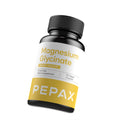
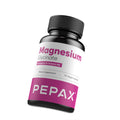
PEPAX Magnesium Glycinate with Vitamin C & D3 provides 200 mg elemental magnesium per serving in the glycinate form, combined with vitamin D3—which, as noted, requires magnesium-dependent enzymatic conversion to its active form. This combination may be particularly relevant for individuals whose acne correlates with stress, poor sleep, or low winter sun exposure, though it should be understood as part of a broader nutritional and dermatological strategy rather than a standalone acne treatment.
Bottom Line: What Magnesium and Acne Evidence Actually Shows
The connection between Magnesium and Acne is mechanistically compelling but clinically unproven. Strong preclinical and indirect human data support magnesium's roles in inflammation suppression, cortisol modulation, and hormonal balance—all pathways relevant to acne pathogenesis. However, no RCT has tested magnesium supplementation against placebo for acne lesion count, severity score, or sebum production. For now, magnesium repletion is a rational adjunct for individuals with stress-triggered, hormonal, or inflammatory acne patterns, particularly those with documented low intake or deficiency. It is not a substitute for dermatologist-directed therapy, but it is a low-risk, evidence-informed nutritional consideration with plausible biological grounding.
References
- Abbasi B, et al. "The effect of magnesium supplementation on primary insomnia in elderly: A double-blind placebo-controlled clinical trial." Journal of Research in Medical Sciences. 2012;17(12):1161–1169. [Source]
- Boyle NB, et al. "The Effects of Magnesium Supplementation on Subjective Anxiety and Stress — A Systematic Review." Nutrients. 2017;9(5):429. [Source]
- Gröber U, et al. "Magnesium in Prevention and Therapy." Nutrients. 2015;7(9):8199–8226. [Source]
- DiNicolantonio JJ, et al. "Subclinical magnesium deficiency: a principal driver of cardiovascular disease and a public health crisis." Open Heart. 2018;5(1):e000668. [Source]
- Tarleton EK, et al. "Role of magnesium supplementation in the treatment of depression: A randomized clinical trial." PLOS ONE. 2017;12(6):e0180067. [Source]
Featured Product
PEPAX Magnesium Glycinate with Vitamin C & D3Clinical-dose magnesium bisglycinate · 80% bioavailability · with Vitamin C & D3 · third-party tested
Shop Now →