


Oxidative stress and hormone balance research reveals how chronic oxidative load disrupts cortisol rhythms, thyroid function, and sex hormone production.
Oxidative stress and hormone balance intersect most visibly at the cortisol system: prolonged stress signaling can increase reactive oxygen species, while oxidative injury may disrupt the tissues that make, transport, and respond to hormones. Clinically, this matters because fatigue, poor sleep, mood changes, altered glucose control, and thyroid symptoms can overlap—but the available evidence does not support treating oxidative stress as a single proven cause of hormonal dysfunction.
Oxidative Stress and Hormone Balance: What the Research Landscape Actually Shows
The strongest claim supported by the current evidence is mechanistic, not therapeutic: oxidative stress and stress-hormone signaling influence one another through shared inflammatory, metabolic, and mitochondrial pathways. The five references available for this topic include foundational reviews, animal work, and preclinical hydrogen research; they do not include a large human randomized controlled trial showing that an antioxidant intervention normalizes cortisol in otherwise healthy adults.
That distinction matters. Cortisol is produced by the adrenal cortex under control of the hypothalamic-pituitary-adrenal (HPA) axis. It follows a daily rhythm, normally rising after waking and declining toward bedtime. A single elevated or low cortisol result is not enough to diagnose “adrenal fatigue,” chronic stress physiology, or a hormone disorder; timing, medications, sleep schedule, illness, and the testing method can all change the result.
Oxidative stress refers to an imbalance between reactive oxygen species production and antioxidant defenses. It is not inherently abnormal: cells use reactive species for signaling, immunity, and adaptation to exercise. The concern is persistent excess, which can modify lipids, proteins, DNA, and mitochondrial components. López-Otín et al. (2013) placed mitochondrial dysfunction and altered intercellular communication among major features associated with aging, providing a useful framework for why redox biology may affect endocrine resilience over time.
For readers trying to interpret a supplement claim, evidence should be sorted into three levels. In vitro evidence shows what can happen in isolated cells or chemical systems. Animal evidence can reveal physiological mechanisms and tissue-level effects, but does not establish a human clinical benefit. Human randomized controlled trial evidence is the standard needed to determine whether a dose improves a defined outcome—such as salivary cortisol rhythm, serum cortisol, sleep quality, or a validated symptom score—in a specific population.
| Evidence area | What the provided literature supports | What it does not establish |
|---|---|---|
| Oxidative biology and aging | Oxidative and mitochondrial processes are relevant to age-associated cellular dysfunction. | That lowering oxidative markers will restore hormone balance in humans. |
| NAD+ and NMN | NAD+ participates in energy metabolism, DNA repair signaling, and sirtuin biology; NMN improved age-related outcomes in mice. | A proven cortisol-lowering or hormone-normalizing effect from NMN in humans. |
| Magnesium | Magnesium is essential to enzyme activity, neuromuscular function, glucose metabolism, and normal physiology. | That magnesium supplements treat endocrine disease without confirmed deficiency or medical evaluation. |
| Molecular hydrogen | Preclinical work suggests selective effects on highly reactive oxygen species. | That hydrogen water reliably changes cortisol, thyroid hormones, or reproductive hormones in humans. |
Most human studies relevant to oxidative stress and hormone balance are therefore best viewed as preliminary or indirect unless they specifically measure both a hormonal endpoint and a clinically meaningful outcome. For a practical guide to interpreting oxidative biomarkers rather than relying on symptoms alone, see Measuring Oxidative Stress: Biomarkers, Testing, and What Supplements Actually Lower.
Oxidative Stress and Hormone Balance: How the Cortisol Mechanism Works
Cortisol can be both protective and costly depending on duration, timing, and context. During acute stress, cortisol helps mobilize glucose, maintain blood pressure, regulate immune activity, and coordinate fuel use. This short-term response is adaptive. Problems are more likely when sleep disruption, persistent psychological stress, under-fueling, illness, or overtraining repeatedly activate the system without adequate recovery.
At the cellular level, glucocorticoid signaling affects mitochondrial energy production and immune gene expression. Mitochondria generate ATP through electron transport, but this process also produces reactive oxygen species. Under normal conditions, enzymatic defenses such as superoxide dismutase, catalase, glutathione peroxidase, and glutathione-related systems help keep redox signaling within a workable range. When production outpaces defense and repair, biomarkers may rise, including F2-isoprostanes for lipid peroxidation, 8-hydroxy-2′-deoxyguanosine for oxidative DNA damage, and protein carbonyls for oxidized proteins.
The relationship runs in both directions. Chronic glucocorticoid exposure may alter mitochondrial function, inflammatory signaling, glucose metabolism, and antioxidant capacity. Meanwhile, oxidative injury within the hypothalamus, pituitary, adrenal glands, liver, adipose tissue, or immune cells could change signaling sensitivity. This is biologically plausible, but plausibility is not proof that an antioxidant supplement can correct an individual’s cortisol pattern.
NAD+ is one molecule at the center of this discussion. It is required for oxidation-reduction reactions that support cellular energy metabolism and also serves as a substrate for enzymes involved in DNA-damage responses and signaling. Fang et al. (2017) reviewed how age-related changes in NAD+ metabolism may affect mitochondrial function, sirtuins, and stress-response pathways. That review supports a mechanistic connection between cellular energy status and stress adaptation, but it does not demonstrate that raising NAD+ corrects cortisol dysregulation in people.
NMN is a precursor in NAD+ metabolism. Mills et al. (2016) administered NMN long term in mice and reported mitigation of several age-associated physiological declines. This is relevant preclinical evidence, especially for metabolic and mitochondrial hypotheses. It remains animal evidence: mouse outcomes, dosing conditions, and disease context cannot be converted directly into a human recommendation for cortisol, menopause symptoms, thyroid function, or fertility.
Magnesium also deserves careful treatment in any discussion of cortisol. It functions as a cofactor in hundreds of enzymatic reactions and contributes to ATP handling, nerve signaling, muscle function, and glucose regulation. Gröber et al. (2015) reviewed magnesium’s broad physiological roles and the consequences of inadequate intake. A low magnesium status may compound stress-related symptoms such as poor sleep, muscle tension, or fatigue, yet symptoms alone cannot confirm deficiency or establish a cortisol disorder. For the magnesium-specific evidence and practical context, read Magnesium and Cortisol: How This Mineral Regulates Your Stress Response.
Oxidative Stress and Hormone Balance: What Hydrogen, Magnesium, and NMN Can—and Cannot—Do
No supplement should be described as a direct cortisol treatment without human clinical data measuring cortisol and relevant outcomes. The more defensible question is whether a nutrient or compound addresses a known insufficiency, supports a plausible biological pathway, or fits a broader recovery plan that includes sleep, nutrition, exercise load, and medical care when indicated.
Molecular hydrogen is often discussed because it is a small molecule with unusual diffusion properties. Ohsawa et al. (2007) reported that hydrogen selectively reduced cytotoxic oxygen radicals in preclinical models, including hydroxyl radical-related injury, while leaving some signaling-related reactive species less affected. This landmark paper was not a human cortisol trial. It supports a biochemical hypothesis about oxidative injury, not a conclusion that hydrogen water balances hormones.
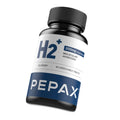
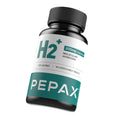
That is the appropriate context for PEPAX Blueberry Hydrogen Water Tablets: they may fit the preferences of adults seeking a convenient hydrogen-water format, but they should not be positioned as a replacement for evaluation of persistent fatigue, menstrual changes, erectile dysfunction, thyroid symptoms, unexplained weight change, or clinically significant sleep disturbance. Product format also does not substitute for measured outcomes. A useful consumer question is whether a study used the same route, amount, frequency, population, and endpoint as the claim being made.
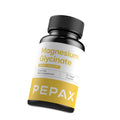
Magnesium glycinate is commonly selected for tolerability, although the provided reference does not establish that one chelated form uniquely improves cortisol. The practical issue is elemental magnesium dose, dietary intake, kidney function, medication interactions, and gastrointestinal tolerance. Adults with significant renal impairment should not self-prescribe magnesium without clinician input because reduced excretion can increase the risk of hypermagnesemia.
NMN should be assessed with similar restraint. Its relationship to NAD+ is mechanistically credible, and NAD+-dependent pathways are central to metabolic and stress-response biology. Yet the available references do not provide a human dose-response study demonstrating that NMN 500 mg lowers cortisol, reduces oxidative biomarkers, or improves endocrine outcomes. Anyone using it for a specific disease claim is moving beyond the evidence provided here.
Why antioxidant “more” is not automatically better
Redox signaling is not simply damage. Exercise, immune defense, and cellular adaptation use reactive species as signals. A strategy aimed at eliminating all oxidation would be biologically simplistic and may interfere with normal adaptation. The practical goal is not zero oxidative stress; it is adequate recovery, sufficient micronutrient status, metabolic health, and targeted evaluation when symptoms suggest disease.
For a deeper discussion of hydrogen and inflammatory signaling, including NF-κB and oxidative-marker context, see Hydrogen Water and Inflammation: H2’s Effect on NF-κB and Oxidative Markers.
Oxidative Stress and Hormone Balance: Which Biomarkers and Symptoms Deserve Attention
Symptoms can raise a question, but biomarkers and clinical context determine whether there is a meaningful hormone problem. Cortisol is commonly measured in serum, saliva, urine, or occasionally hair, but each matrix answers a different question. Morning serum cortisol may help evaluate suspected adrenal insufficiency in the appropriate clinical setting, while late-night salivary cortisol or 24-hour urinary free cortisol may be used in evaluation for cortisol excess under clinician guidance.
Testing should never be ordered solely because someone feels “burned out.” A clinician may instead begin with sleep history, medication review, alcohol intake, shift-work exposure, menstrual or reproductive history, nutrition, training volume, and screening for depression, anxiety, anemia, diabetes, thyroid disease, or sleep apnea. Depending on symptoms, relevant tests may include thyroid-stimulating hormone (TSH), free thyroxine (free T4), fasting glucose, hemoglobin A1c, ferritin, complete blood count, vitamin B12, and pregnancy testing where appropriate.
Oxidative stress biomarkers also require interpretation. F2-isoprostanes are generally considered more specific for lipid peroxidation than nonspecific “total antioxidant capacity” panels, but even a valid biomarker does not identify a single cause. Smoking, infection, obesity, uncontrolled diabetes, high alcohol intake, environmental exposures, and recent intense exercise can all affect oxidative measures. An elevated marker does not prove that cortisol is the driver.
Hormone systems influence one another. Persistent stress, energy deficit, and sleep restriction can affect gonadal signaling and menstrual regularity; thyroid disease can mimic stress symptoms; insulin resistance can alter inflammatory and oxidative pathways. Magnesium status may be particularly relevant in people with low dietary intake or metabolic risk, but it should not be used to bypass assessment of thyroid symptoms. Readers with hypothyroidism or Hashimoto’s concerns can review Magnesium and Thyroid Function: Deficiency Risks in Hashimoto’s and Hypothyroidism.
When symptoms warrant medical assessment
- Unintentional weight loss or gain, persistent weakness, fainting, or major changes in blood pressure.
- New menstrual irregularity, infertility concerns, reduced libido, or erectile dysfunction.
- Easy bruising, new purple stretch marks, severe acne, or proximal muscle weakness.
- Marked fatigue with snoring, witnessed breathing pauses, insomnia, or daytime sleepiness.
- Heat or cold intolerance, tremor, palpitations, constipation, hair loss, or neck swelling.
- Use of oral, inhaled, injected, or topical corticosteroids, which can affect the HPA axis.
Oxidative Stress and Hormone Balance: Who May Benefit Most From a Conservative Approach
The people most likely to benefit are those with identifiable, modifiable contributors—not those promised a universal “hormone reset.” Adults with insufficient dietary magnesium, poor sleep consistency, high alcohol intake, smoking exposure, poorly controlled metabolic disease, or repeated high training loads may have reasons to improve recovery and nutrition. These changes may support general stress physiology even when a direct cortisol effect has not been demonstrated.
People with low magnesium intake are a practical group to assess. Magnesium-rich foods include legumes, leafy greens, nuts, seeds, whole grains, and some mineral waters. Gröber et al. (2015) supports magnesium’s importance across numerous physiological systems, but appropriate supplemental dosing should account for total intake, bowel tolerance, renal function, and medications. Antibiotics, bisphosphonates, and levothyroxine can require spacing from magnesium because absorption interactions may occur.
Older adults and people with metabolic risk may also be interested in NAD+-related biology because aging, mitochondrial function, and metabolic stress are linked conceptually. López-Otín et al. (2013) and Fang et al. (2017) provide the mechanistic framework, while Mills et al. (2016) adds long-term mouse data. The gap is clear: most human studies to date are small-scale or outside the specific cortisol-and-hormone outcomes discussed here.
Individuals who exercise intensely may experience temporary oxidative and hormonal changes as part of normal adaptation. The appropriate response is often adequate carbohydrate and protein intake, planned recovery, sleep, and periodized training—not indiscriminate antioxidant use. If performance declines alongside recurrent illness, menstrual disruption, low libido, stress fractures, or persistent fatigue, sports-medicine or endocrine assessment is more useful than assuming oxidative stress is the sole explanation.
Finally, people with diagnosed endocrine conditions should use supplements as adjuncts only when appropriate. Cortisol excess, adrenal insufficiency, thyroid disease, polycystic ovary syndrome, diabetes, and hypogonadism have distinct diagnostic pathways and treatments. Oxidative stress and hormone balance may be part of the biological context, but neither phrase is a diagnosis.
Oxidative Stress and Hormone Balance: Practical Takeaways for Daily Decisions
A credible plan prioritizes measurable fundamentals before a broad antioxidant stack. The following steps reflect the evidence quality and its limits rather than a promise of hormone correction.
- Use symptoms to start a clinical conversation, not to self-diagnose cortisol dysfunction.
- Protect circadian timing: maintain a regular wake time, seek morning light, and avoid treating chronically short sleep as a supplement problem.
- Review magnesium intake from food first; if supplementing, consider elemental dose, gastrointestinal tolerance, kidney health, and medication spacing.
- Interpret NMN as a NAD+-pathway compound with supportive mechanistic and mouse evidence, not as a proven human cortisol intervention.
- Interpret molecular hydrogen evidence as preclinical and hypothesis-generating unless a human study measures the relevant biomarker and outcome.
- When testing is appropriate, use clinician-selected cortisol and endocrine tests with correct collection timing instead of relying on broad wellness panels alone.
PEPAX Blueberry Hydrogen Water Tablets can be a reasonable optional hydration-format choice for adults interested in molecular hydrogen, provided expectations remain evidence-based. The most defensible use is alongside—not instead of—sleep, nutrition, movement, medication review, and evaluation of persistent symptoms. There is currently no basis in the listed literature to claim that the product treats high cortisol, adrenal disease, or a specific hormonal disorder.
Oxidative Stress and Hormone Balance: The Bottom Line on Cortisol
Oxidative stress and hormone balance are biologically connected, especially through mitochondrial, inflammatory, and HPA-axis pathways, but the clinical evidence is not yet strong enough to promise cortisol normalization from antioxidant-oriented supplements. Magnesium has established physiological importance; NMN and molecular hydrogen have plausible mechanistic and preclinical rationale. For meaningful symptoms or abnormal hormone results, medical assessment remains more reliable than a generalized “stress hormone” protocol.
References
- López-Otín C, et al. "The Hallmarks of Aging." Cell. 2013;153(6):1194–1217. [Source]
- Fang EF, et al. "NAD+ in Aging: Molecular Mechanisms and Translational Implications." Trends in Molecular Medicine. 2017;23(10):899–916. [Source]
- Mills KF, et al. "Long-Term Administration of Nicotinamide Mononucleotide Mitigates Age-Associated Physiological Decline in Mice." Cell Metabolism. 2016;24(6):795–806. [Source]
- Gröber U, et al. "Magnesium in Prevention and Therapy." Nutrients. 2015;7(9):8199–8226. [Source]
- Ohsawa I, et al. "Hydrogen acts as a therapeutic antioxidant by selectively reducing cytotoxic oxygen radicals." Nature Medicine. 2007;13(6):688–694. [Source]
Featured Product
PEPAX Blueberry Hydrogen Water TabletsMolecular H2 · blueberry flavor · 1.6+ ppm per serving · 60 tablets
Shop Now →
Further Reading
- Measuring Oxidative Stress: Biomarkers, Testing, and What Supplements Actually Lower
- Magnesium and Cortisol: How This Mineral Regulates Your Stress Response
- Hydrogen Water and Inflammation: H2's Effect on NF-κB and Oxidative Markers
- Magnesium and Thyroid Function: Deficiency Risks in Hashimoto's and Hypothyroidism